
Loading titles…
Documentary
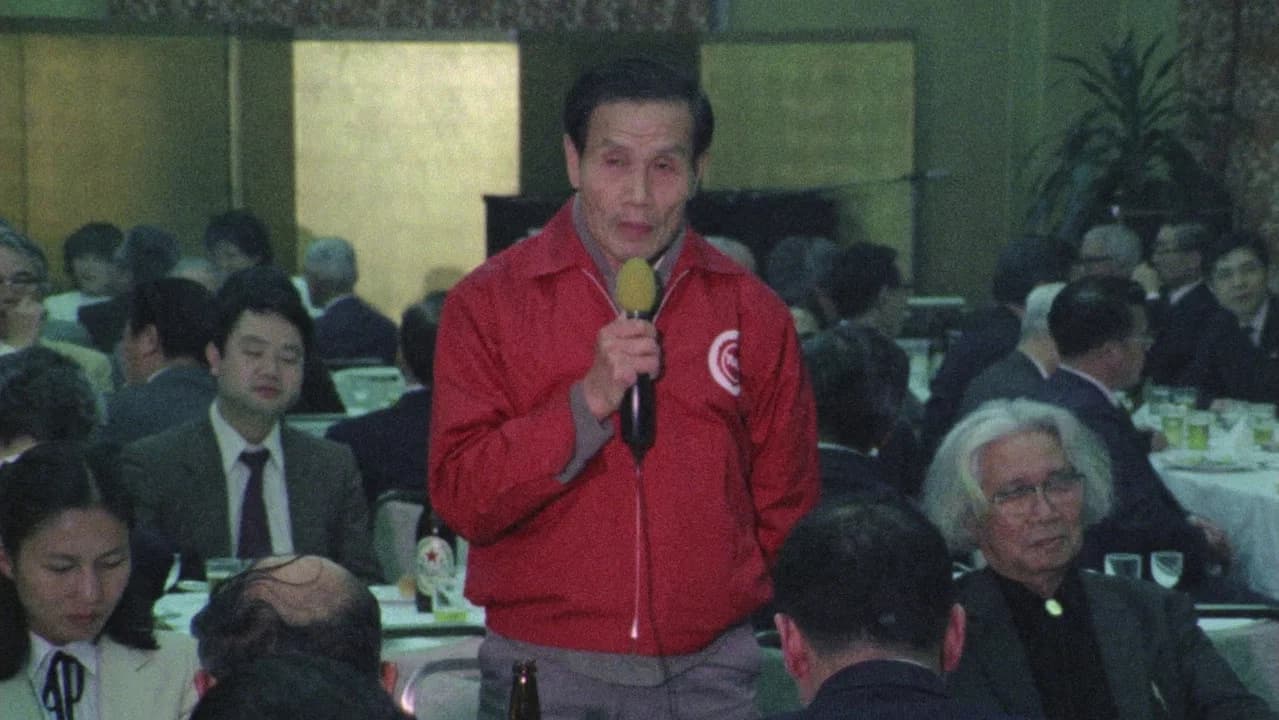
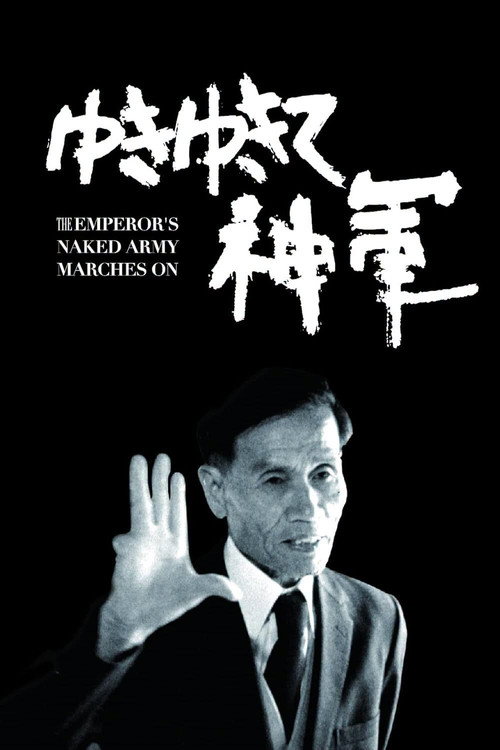
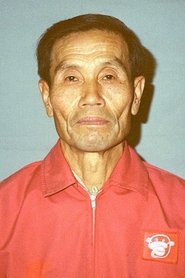
Kenzo Okuzaki, a 62-year-old veteran of the New Guinea campaign in World War II, sets out to conduct interviews with survivors and relatives to find the truth behind atrocities committed by Japanese military, in particular the unexplained killing of two Japanese privates in his…
Self
Self
Self
Self
Self
Self
Self
Self
Self
Self
Self
Self
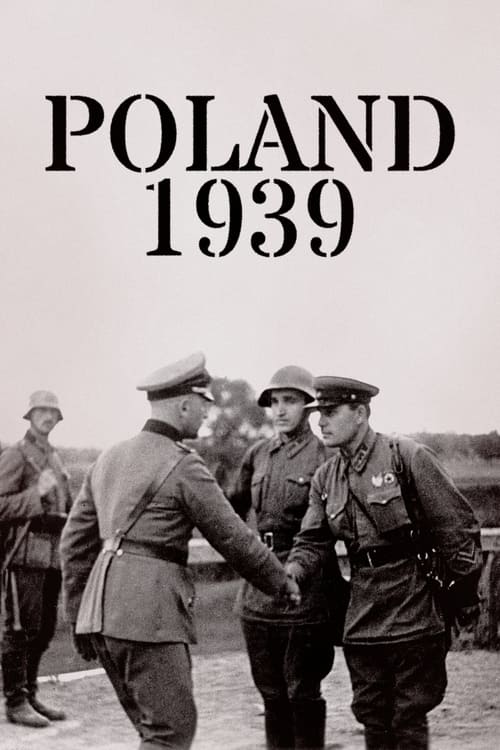
September 1st, 1939. Nazi Germany invades Poland. The campaign is fast, cruel and ruthless. In these circumstances, how is it that ordinary German soldiers suddenly became vicious killers, terrorizing the local population? Did everyone turn into something worse than wild animals? The true story of the first World War II offensive that marks in the history of infamy the beginning of a carnage and a historical tragedy.


Taking Liberties Since 1997is a documentary film about the erosion of civil liberties in the United Kingdom and increase of surveillance under the government of Tony Blair. It was released in the UK on 8th June 2007. The director, Chris Atkins, said on 1 May that he wanted to expose "the Orwellian state" that now threatened Britain as a result of Mr Blair's policies.
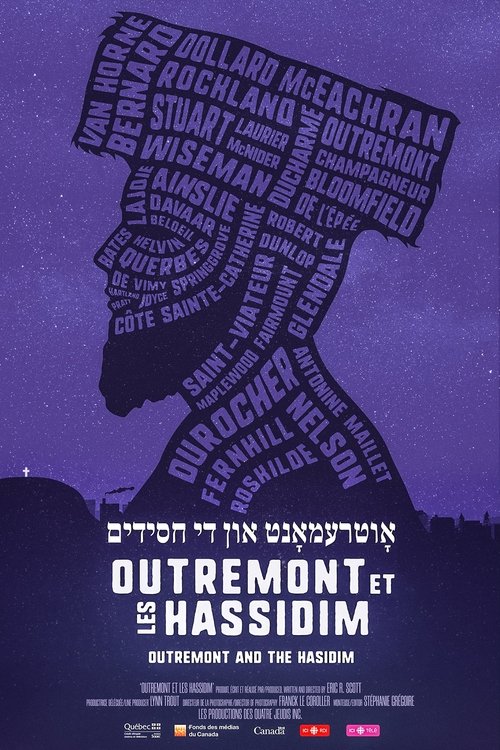
OUTREMONT AND THE HASIDIM reveals the challenges of accommodating the “Hasidim” – or ultra-Orthodox Jews – in the affluent Montréal borough of Outremont.Some 7,000 Hasidim live in or near this choice neighbourhood of Québec’s Francophone elite. After settling there more than 70 years ago, the Hasidim are a rapidly growing minority group which today represents about 23% of Outremont’s population.Thanks to unprecedented access to this self-isolated community, the film lifts the veil on its practices, traditions, music and life as they had never before been seen on Canadian television, without ignoring the community’s expectations, fears. and hopes.
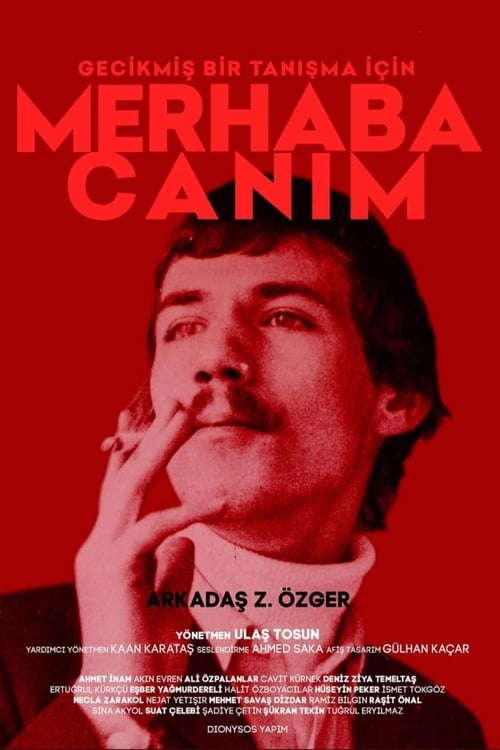
The documentary is titled after Arkadaş Z. Özger’s poem “Hello My Dear” which had caused much controversy in the period it was first published. Considered to be in defiance of heteronormativity, the said poem includes references to the poet’s personality, his family, his relationship to the society, and his “unexpected” death, which came three years after its publication. Today, 50 years after it was written, the documentary follows these same lines in the poem utilising cinematic elements. The documentary also rediscovers the poetics; reaches out to the family, the comrades, the friendships, departing from the official historical accounts, cognizant of his experience of otherness, in pursuit of the “lost” portrait of Arkadaş Z. Özger.

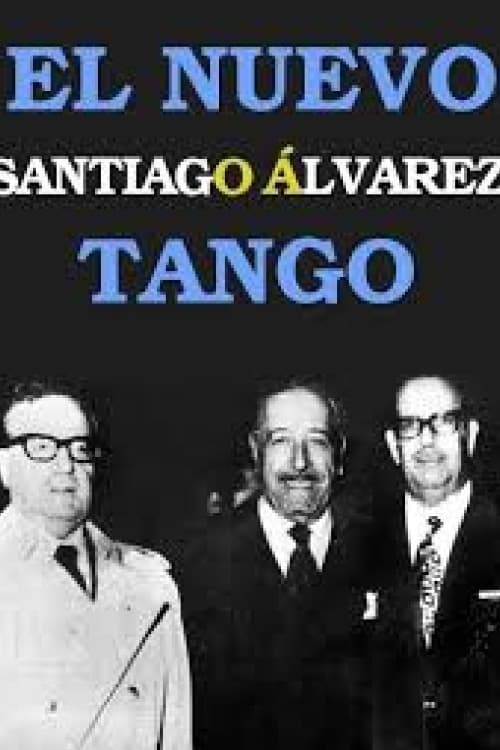
The New Tango (El Nuevo Tango) was not shown in Argentina for a long time as it deals with the ascent of Argentinean president Hector Campora in May 1973, and features Cuban and Chilean presidents, Osvaldo Dorticos and Salvador Allende. A million people gathered on the Plaza de Mayo to acclaim the new President. One of Cámpora's first presidential actions was a granting of amnesty to political prisoners who where jailed during the dictatorship. On 28 May Argentina restored diplomatic relations with Cuba, which then received Argentine aid - such as food and industrial products - to break the United States embargo against Cuba.