

Loading titles…
Narrator (voice)
Himself
Herself
Himself
Himself
Himself
Himself
Himself
Herself
Himself
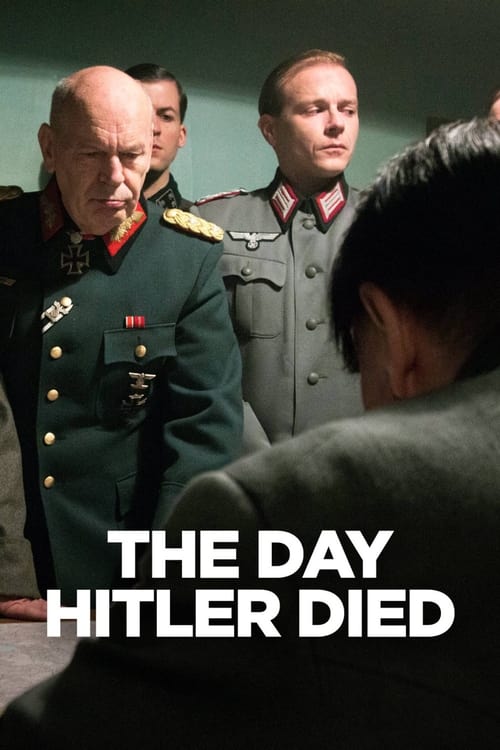
The story of Hitler’s final hours told by people who were there. This special features exclusive forgotten interviews, believed lost for 65 years, with members of Hitler’s inner circle who were trapped with him in his bunker as the Russians fought to take Berlin. These unique interviews from figures such as the leader of the Hitler Youth Artur Axmann and Hitler’s secretary Traudl Junge, have never before been seen outside Germany. Using rarely seen archive footage and dramatic reconstruction, this special tells the story of Adolf Hitler’s final days in his Berlin bunker.
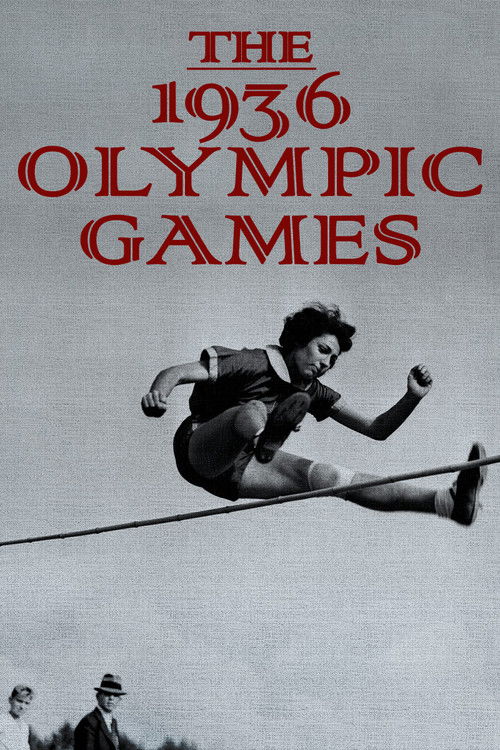
On the 1st August 1936, 100,000 spectators watched as Hitler and the Olympic delegates arrived at the Olympic opening ceremony in Berlin. The Olympic flags hung cheerfully side-by-side banners bearing the Nazi swastika. With the help of specialists and images from Léni Riefenstahl’s 1938 film, ‘Olympia’, we see what really went on behind the scenes and investigate the secret negotiations and compromises made by the International Olympic Committee to bring the Olympics to Berlin.
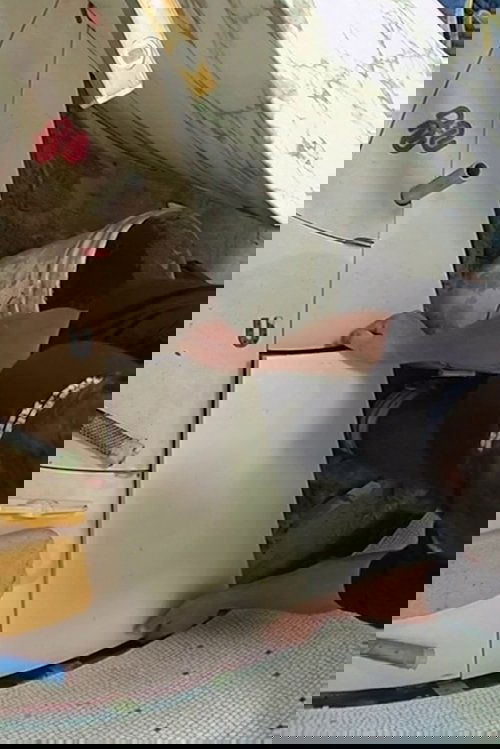
2005-2008. Video. In 2005 San Francisco real estate magnate Angelo Sangiacomo commissioned Strickland to make a movie that would chronicle final stages in the construction of his new house in Pebble Beach, CA. Amidst the spectacle of the building site, the videographer sought to portray a design project of operatic proportions that involved a sometimes dissonant cast of characters and took more than 6 years to unfold. The owners hoped that this video record might lend future visibility to a structure’s bones and soul that otherwise vanish from sight by the time building is completed.
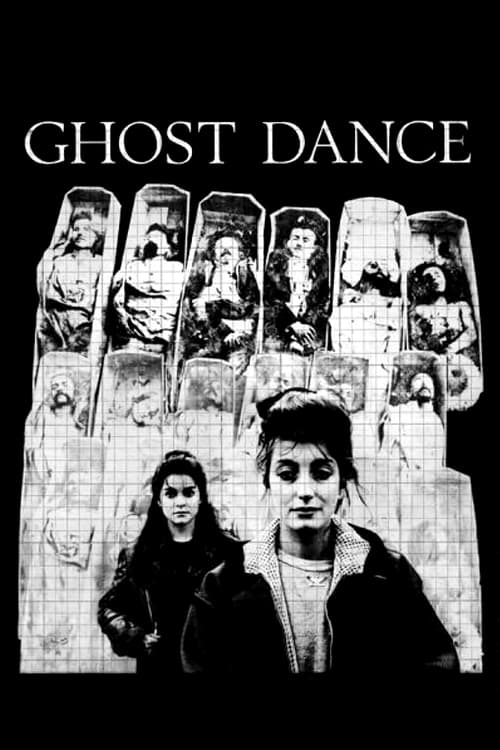
Through the experiences of two women in Paris and London, Ghost Dance offers an analysis of the complexity of our conceptions of ghosts, memory and the past. The film focuses on the French philosopher Jacques Derrida, who observes, 'I think cinema, when it's not boring, is the art of letting ghosts come back.' He also says that 'memory is the past that has never had the form of the present.'
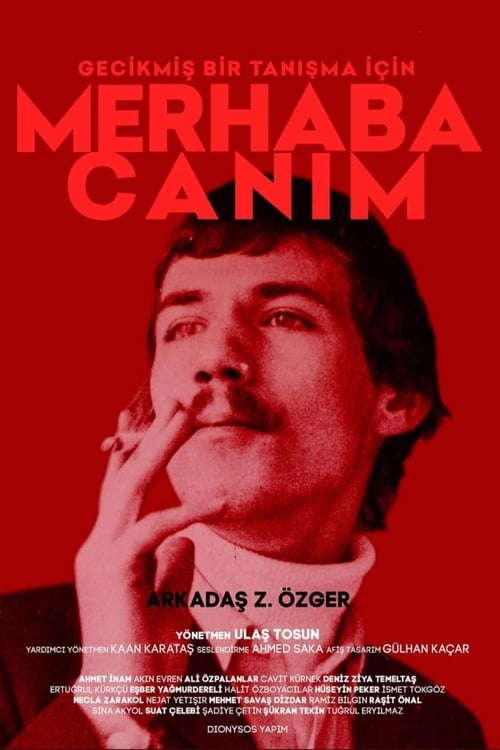
The documentary is titled after Arkadaş Z. Özger’s poem “Hello My Dear” which had caused much controversy in the period it was first published. Considered to be in defiance of heteronormativity, the said poem includes references to the poet’s personality, his family, his relationship to the society, and his “unexpected” death, which came three years after its publication. Today, 50 years after it was written, the documentary follows these same lines in the poem utilising cinematic elements. The documentary also rediscovers the poetics; reaches out to the family, the comrades, the friendships, departing from the official historical accounts, cognizant of his experience of otherness, in pursuit of the “lost” portrait of Arkadaş Z. Özger.
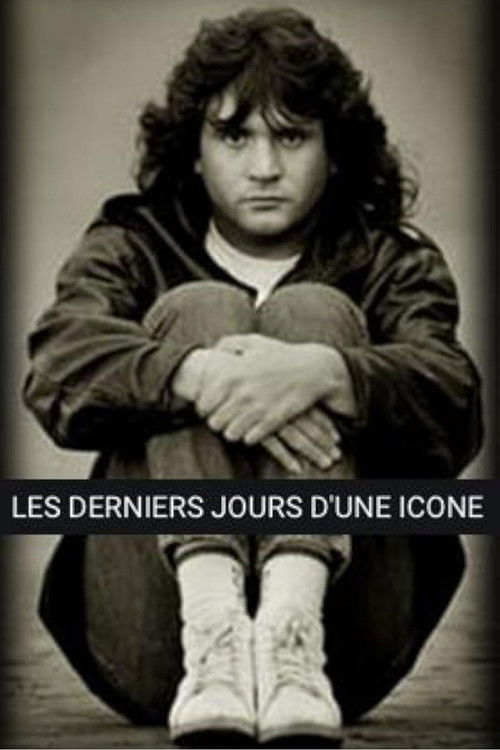
In 1986, during the Paris-Dakar rally, singer Daniel Balavoine, who was leading a humanitarian operation, was killed in a helicopter crash alongside Thierry Sabine. Nicolas Mathieu, his assistant, Léo Missir, his artistic director, HSH Albert of Monaco, and Charles Belvèze discuss the artist's career and his political and humanitarian commitments. Pierre Fauque and Anne Amado retrace the last moments of his life, from his arrival in Tamanrasset on January 6 to the day of his death in the desert, in the midst of a storm.