
Mario Adorf
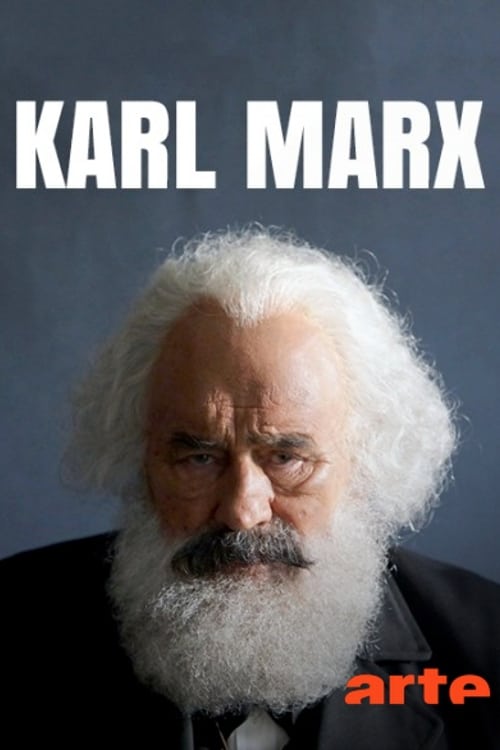
Karl Marx
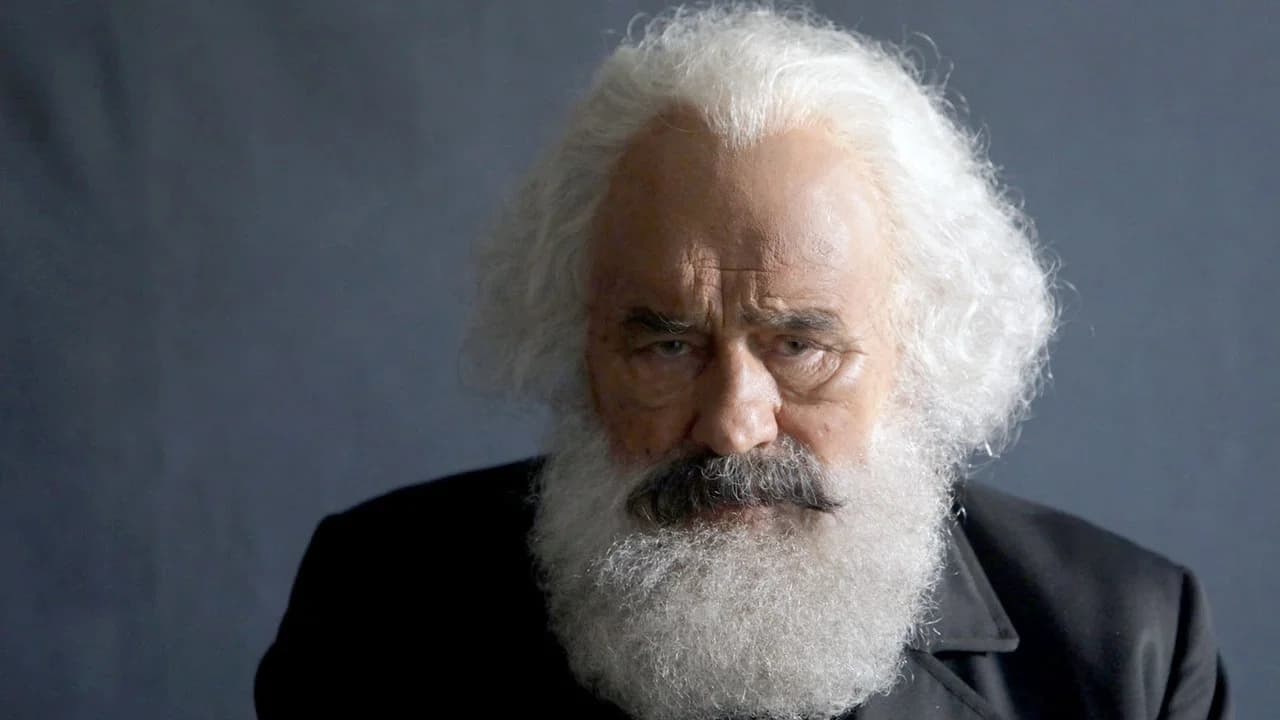
On the 200th anniversary of Karl Marx's birth, the docu-drama paints a multifaceted portrait of the most influential German thinker of modern times. The world-famous actor Mario Adorf embodies the equally contradictory and contradictory world spirit, in the dichotomy of…
Karl Marx
Der junge Karl Marx
Eleanor Marx
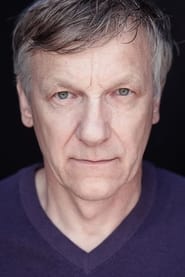
Friedrich Engels

Lenchen
Laura Lafargue
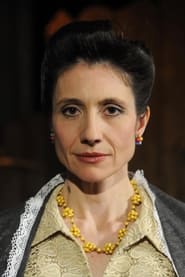
Jenny von Westphalen
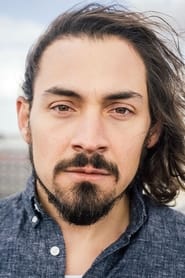
Frederick Demuth
Jenny Marx
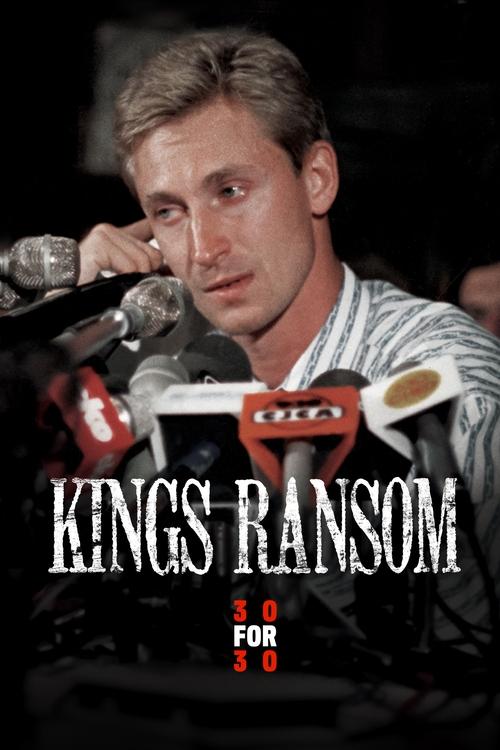
On August 9, 1988, the NHL was forever changed with the single stroke of a pen. The Edmonton Oilers, fresh off their fourth Stanley Cup victory in five years, signed a deal that sent Wayne Gretzky, a Canadian national treasure and the greatest hockey player ever to play the game, to the Los Angeles Kings in a multi-player, multi-million dollar deal. As bewildered Oiler fans struggled to make sense of the unthinkable, fans in Los Angeles were rushing to purchase season tickets at a rate so fast it overwhelmed the Kings box office. Overnight, a franchise largely overlooked in its 21-year existence was suddenly playing to sellout crowds and standing ovations, and a league often relegated to “little brother” status exploded from 21 teams to 30 in less than a decade.
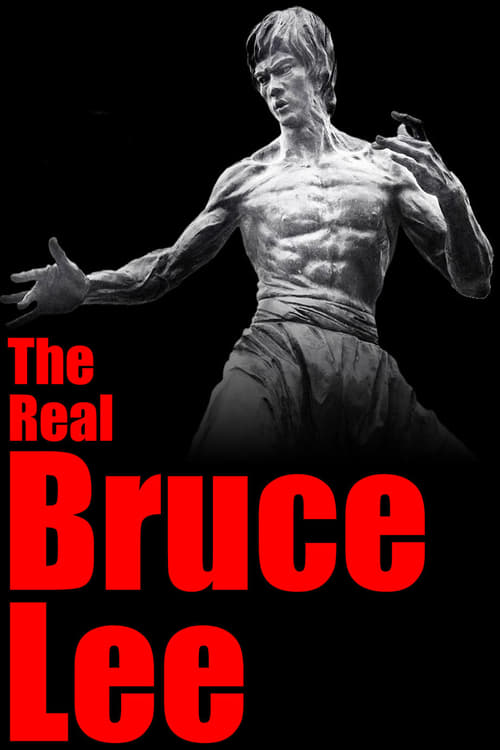
The Real Bruce Lee is a martial arts documentary. It begins with a brief biography of Bruce Lee, and shows scenes from four of his childhood films, Bad Boy, Orphan Sam, Kid Cheung, and The Carnival, each sepia-toned and dubbed to English. Next, there is a three-minute highlight reel of Lee imitator Bruce Li. Finally, there is a feature-length film starring Lee imitator Dragon Lee, which is obviously modeled after Bruce Lee's Fist of Fury.

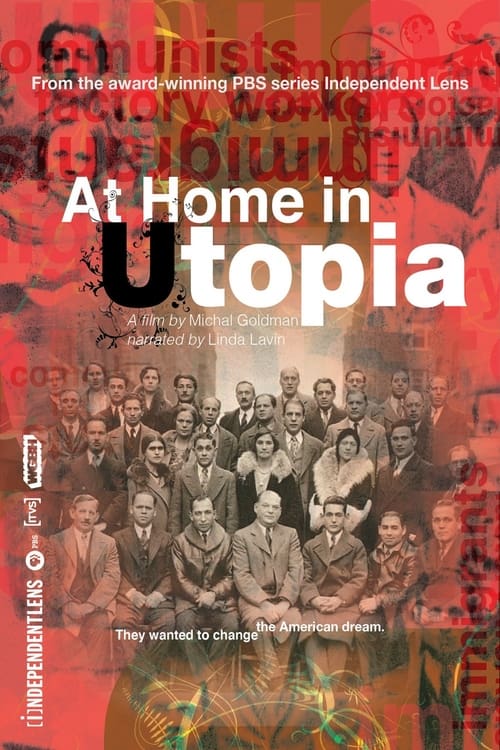
During the economic boom of the 1920s, thousands of immigrant Jewish factory workers managed to build the house of their dreams, a cooperative apartment complex at the edge of Bronx Park. Then they were hit by the Great Depression. At Home in Utopia bears witness to an epic social experiment across two generations in the Coops - a place known as "little Moscow" - where people tried to change the American dream into one that included racial justice and workers' rights.
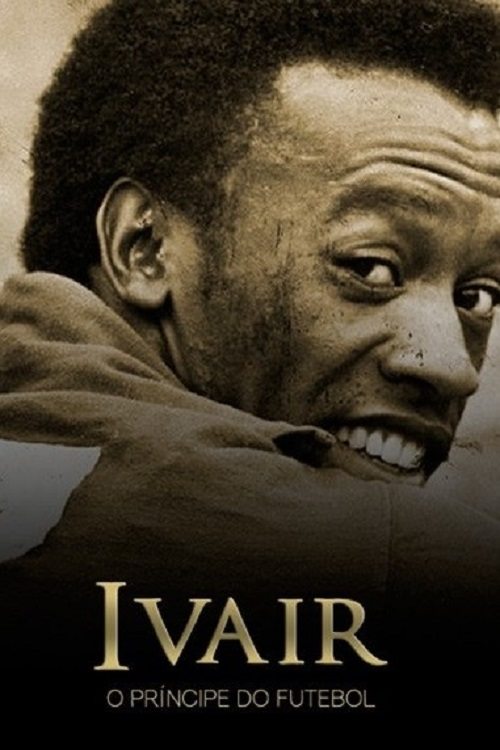
The documentary covers the carrer of Ivair Ferreira, striker and left winger revealed by Portuguesa de Desportos in the 1960s. Nicknamed "The Prince of Football" by The King of Football (Pelé) himself. He was in the "Yeah, Yeah, Yeah" attacking trio of Portuguesa (alongside Leivinha and Servílio) where he played for fifteen years; was in Corinthians' attacking duo with Rivellino; and North American champion playing for the Toronto Metros-Croatia with Eusébio.

This documentary is not a straightforward portrait of Armenian film director Sergei Paradjanov's life, but rather a fluid celebration of his talent and creativity. Focusing on the collages he produced during his years in prison, and featuring interviews with the director himself, Cazals' film demonstrates the scope of Paradjanov's artistic vision, lovingly commemorating this rebel of art cinema.
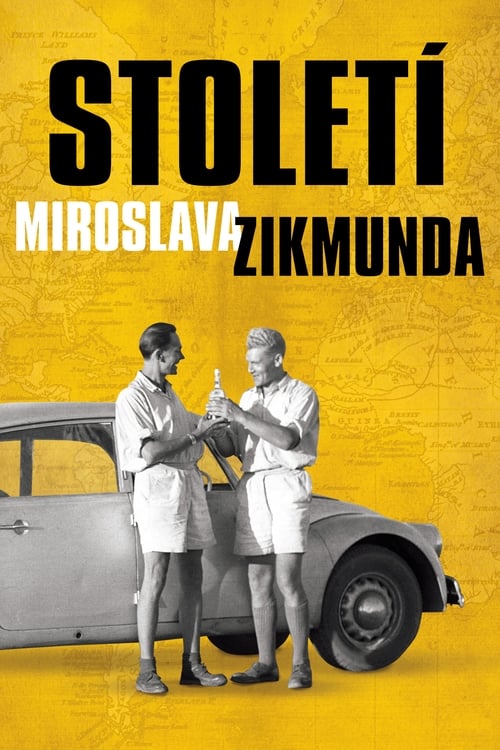
Biographical film brings a distinctive view of the turbulent history of the twentieth century through the eyes of a man who knew the whole world. Conceived under the Habsburgs, he was born five months after the First Republic was founded. He survived World War II, lived through the rise and fall of communism. He was labelled by the StB as a "dangerous person of the highest danger class". He was in Africa when the colonial system was dying. He met the pre-presidents, met Gagarin and Hillary. He experienced the rise of democracy and "all-powerful" capitalism.

A documentary that chronicles Jennifer Lopez's life on and off-stage during her first ever world tour. Throughout the majority of her music career, beginning in 1999, a world tour by Lopez was anticipated, though it never materialized. Following the release of her seventh studio album Love? (2011), she was more intent on touring than ever. However, it was not until March 2012 when the tour came into the works. As rumors began to circulate, Lopez later confirmed that April that she would be embarking on her first world tour. It commenced on June 14, 2012, in Panama City, Panama, and concluded on December 22, 2012, in San Juan, Puerto Rico.
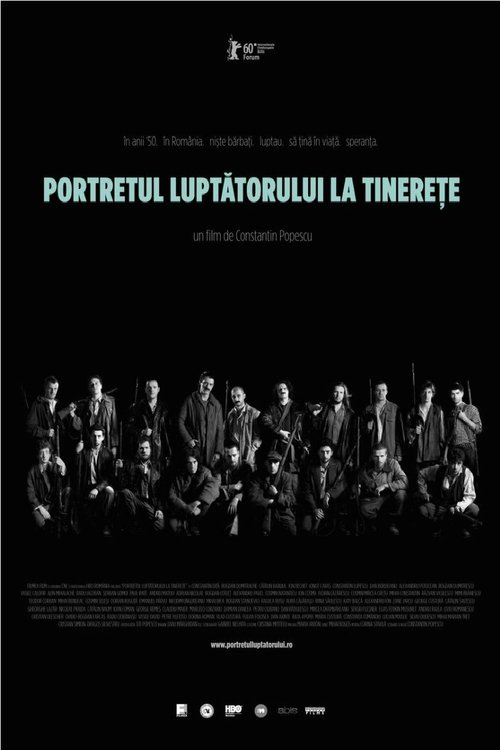
When the Soviet Army marched into Romania in 1944, a part of the Romanian population went “into the mountains” – a diverse assortment of nationalists and fascists, liberals, apolitical farmers and members of the middle-class, who were affected by the Communists’ expropriations. Over a thousand armed resistance groups took refuge in the inaccessible forests of the Carpathian Mountains where they waited in vain for the support of the Western Allies. One of them was led by Ion Gavrilă-Ogoranu, who managed to remain undetected until 1976 when he was arrested. This film depicts the daily existence of this group. It tells the story of a struggle that became an end in itself, as the enemy was constantly in pursuit and arrest meant torture and often liquidation. Hungry and emotionally withdrawn, the group of young men got entangled in a partisan war that could not be won, lost in the landscape of the South Carpathians, accompanied by a vigilant secret police, the Securitate.
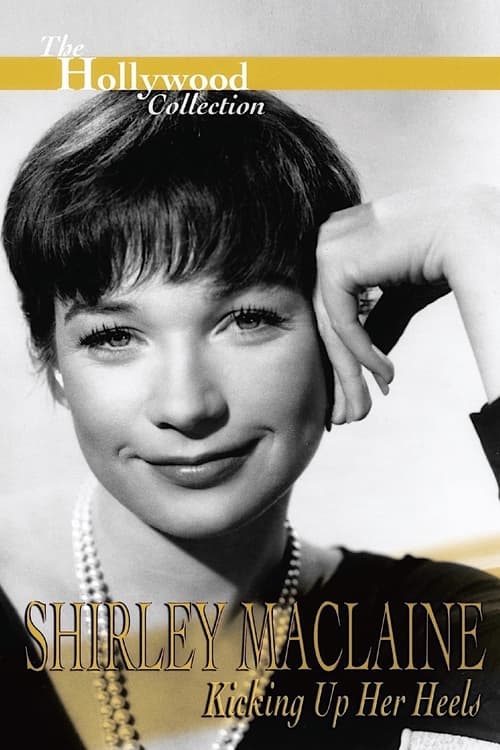
Shirley MacLaine was the product of a strict middle-class background from which she and her brother, the future actor Warren Beatty, escaped into the fantasy world of show-biz. Her ballet training and her long-legged pixie charm led to rapid success on Broadway in musical comedy. Inevitably, Hollywood called and by 1955 Shirley was cast in Hitchcock's "The Trouble With Harry." It wasn't too long before the fine dramatic roles also came to her opposite the most popular leading men of the time, like Fred MacMurray, Jack Lemmon, Frank Sinatra, Clint Eastwood and Robert Mitchum.
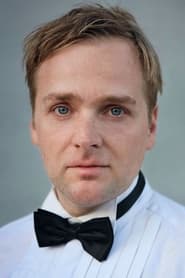
Sozi
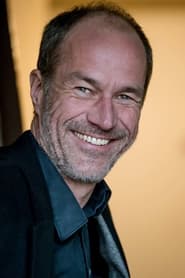
Sozi
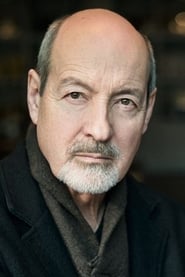
Dr. Charles Stéphann