Shizu Uchikoshi
Shizu Uchikoshi
Herself
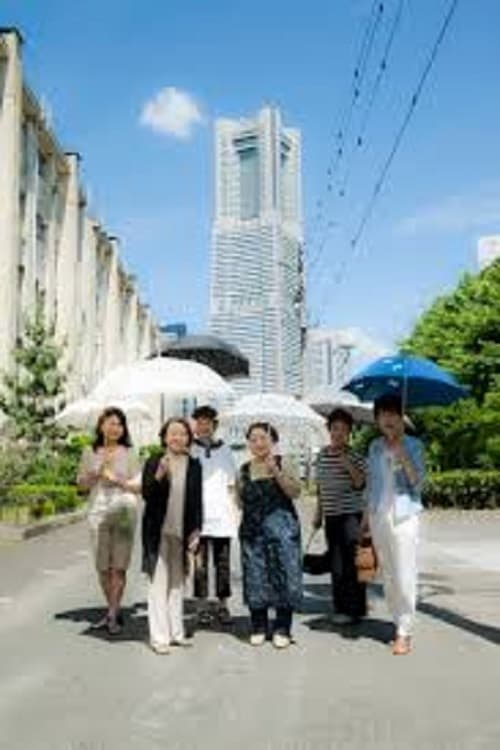
85 years old and never married, Shizu has spent the past 3 decades living in one "Danchi" - the Japanese word for public housing - and filling it with the lifetime of souvenirs that have always kept her company. When the danchi is scheduled for demolition, Shizu and neighbors…
Herself
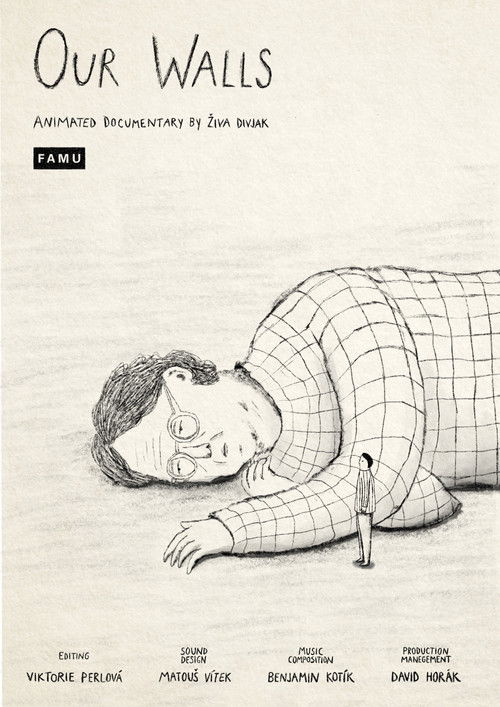
An animated documentary that, through an intimate conversation between a daughter and a mother, searches for understaning and explores family bonds. The film reveals the inner conflict between freedom and sacrifice. Gradually, walls that connect and confine us across generations emerge, shaping who we are to ourselves and to one another.
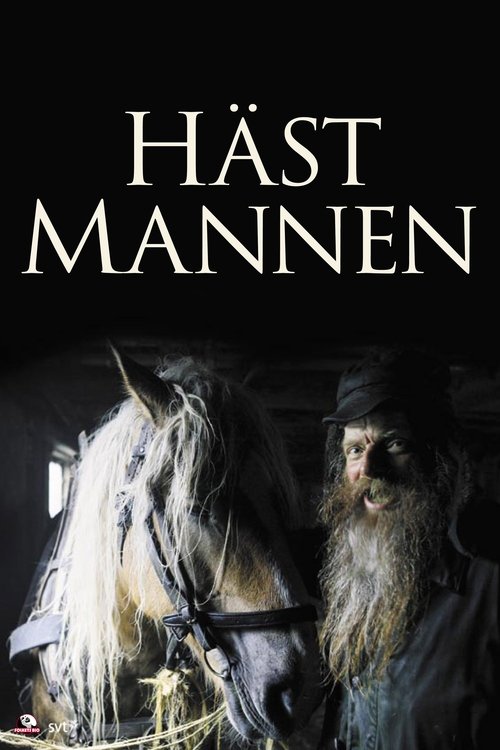
A engaging and exotic man–nature documentary that is sure to capture audiences in many countries. Beautifully filmed by Peter Gerdehag and sensitively edited by Tell Johansson. He lives for horses, he lives with horses, he works with horses and he just about dies when he is forced to leave his horses because of a storm that turns his life upside down.
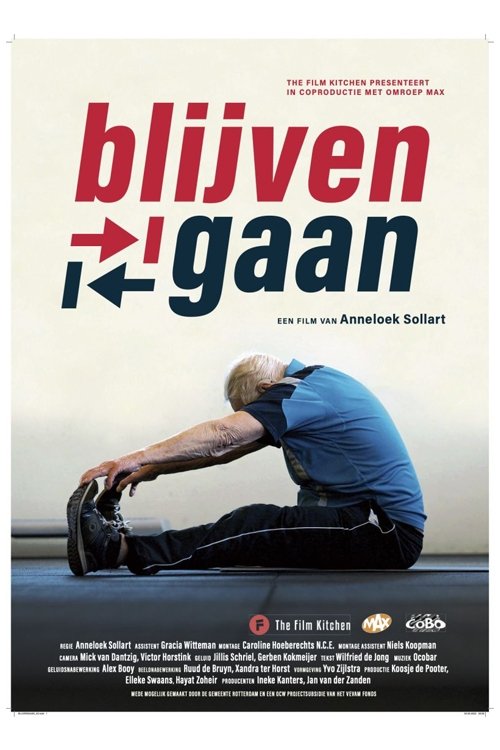
Five seniors, the eldest is 91 years old, train together in a gym in Rotterdam to keep fit. But the body falters and their environment is getting smaller and smaller. By doing sports, the seniors support each other: origin and social status disappear. The gym fraternizes and gives the elderly unprecedented pleasure. Despite the fanatical sports, the decline is unstoppable. This documentary also shows the seniors alone at home and the confrontational fight against the body that is becoming stiffer, with the realization that that battle is always lost in the long run.
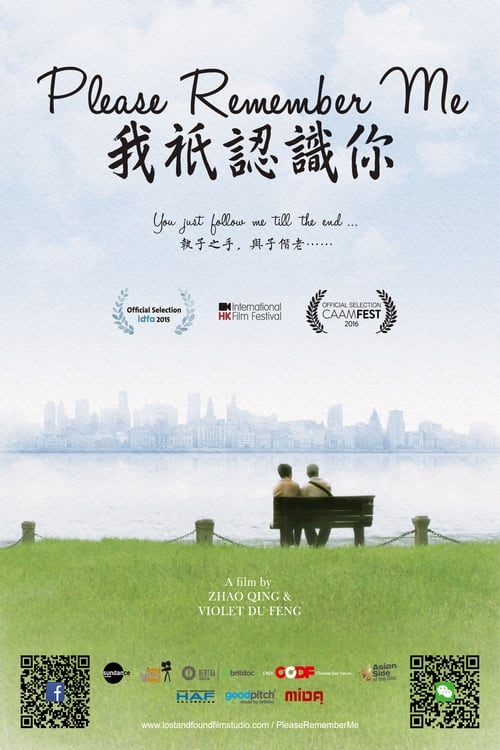
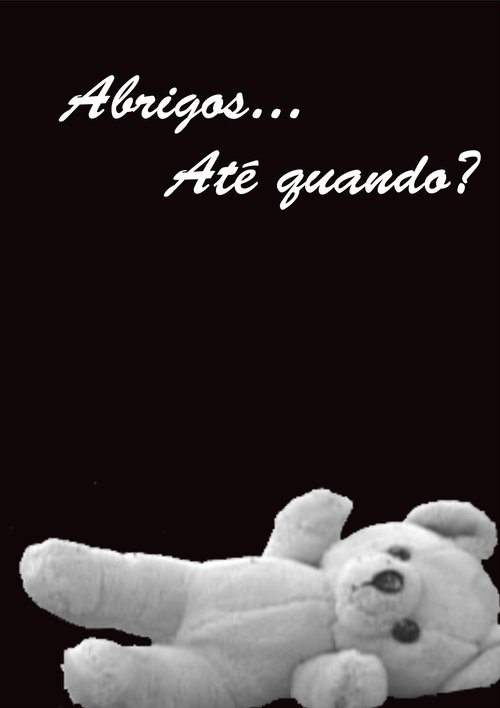
This documentary is a sad sight of the reality of child abuse victims who now live in public shelters in Brazil, with stories told by themselves. Children and adolescents who are now in shelters were victims of violence. Most were the victim of the own family and others never knew theirs. The years are passing and the childhood and adolescence of them also ...
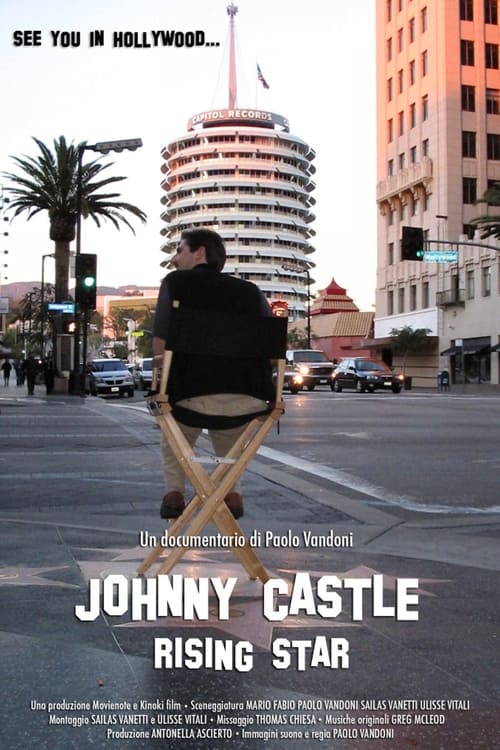
Ever since he was a kid, Johnny Castle had a dream: to become a movie star. Driven by his obsession, Johnny moved to Los Angeles, and the corner of Hollywood and Vine Boulevards became his natural stage on which to promote himself. Johnny is absolutely convinced that some day a producer or a director will sign him for their next movie. Even though Johnny has this optimistic way of looking at life, in the three years since his move to Los Angeles he has only been able to get a small part in a science fiction B-movie. Very soon the movie will debut in the theaters, and Johnny wants to show the result of his work to his father, who lives in Chicago. He obtains a preview DVD copy of the movie from the director so that he'll be able to present it to his dad as a wonderful birthday surprise.
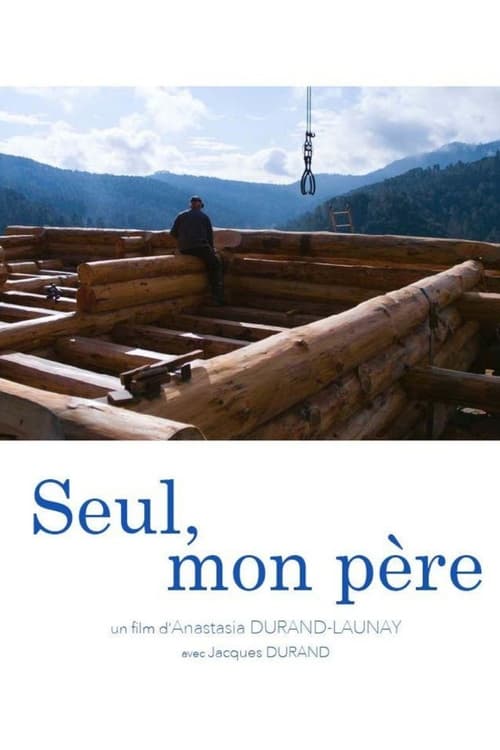
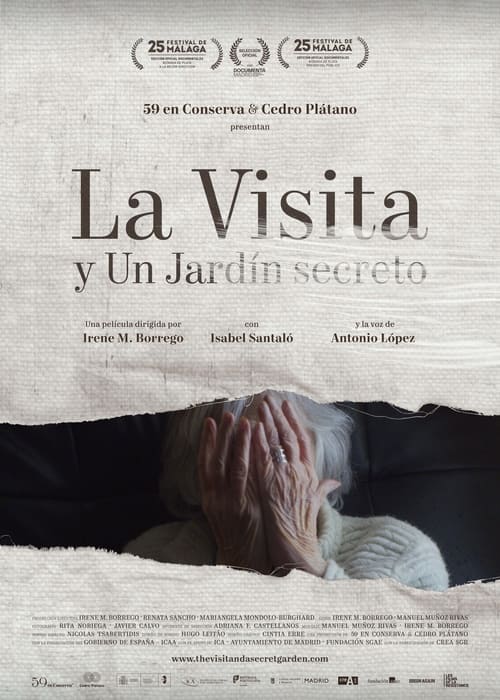
Little is known about the figure of Isabel Santaló, an old artist, today fallen into oblivion. But occasionally some visitors come to her flat. Through them and the voice of Antonio López (Dream of Light, Víctor Erice), the only painter who remembers her, we shape a multifaceted film. This is a cinematic portrait, which well into the film takes a surprising turn. A film that reflects on memory and oblivion, art and the creative process; posing the question of what it means to be an artist and a woman.
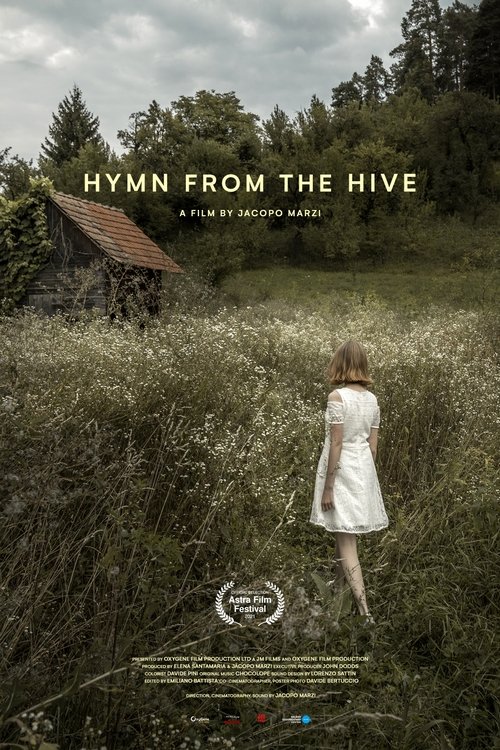
A house. A shelter. A man the last one left in the homeland. A woman returns to her community every year. The daughters and husband who have lost all traditions. A rapper who raps in the old language. In 1990 Susanna marries Udo. Their wedding is the last one celebrated between two Saxons in their village. After that the couple emigrated like half a million of Transylvanian Saxons. After 30 years in Germany the relationship between Susi and Udo has gone stale and they haven't taught their native language to their daughters that feel just German. Georg on the other hand is proud of his identity. He hopes with his rap to spread the young generations about the heritage to make them proud of being a Saxon. This is the choral story of a family who is learning to change in order not to disappear.
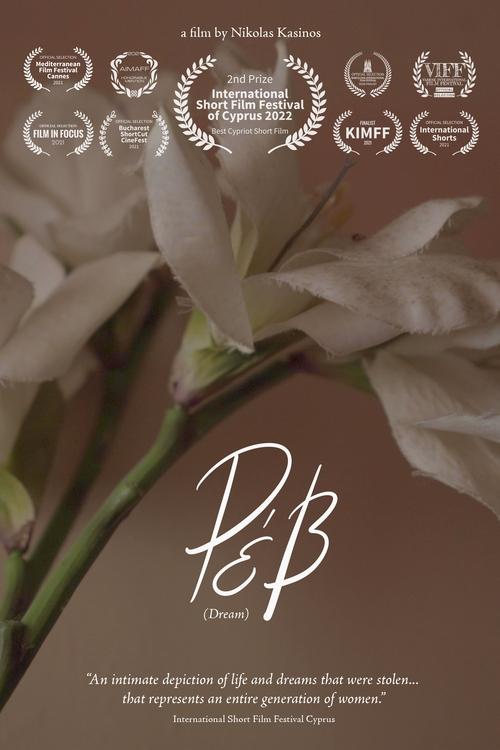
A short documentary examining the consequence of time within the fragility of memory, exposing a sense of self, trapped within materiality and fantasy. We observe Chrystalla in her safe place, her home, reflecting on her childhood, her successful beauty business in 70s Cyprus and her deeply troubled marriage. Loneliness, abandonment and regret are prevailing themes within cycles of reflection, jest and contradiction.