David Gell
David Gell
Narrator
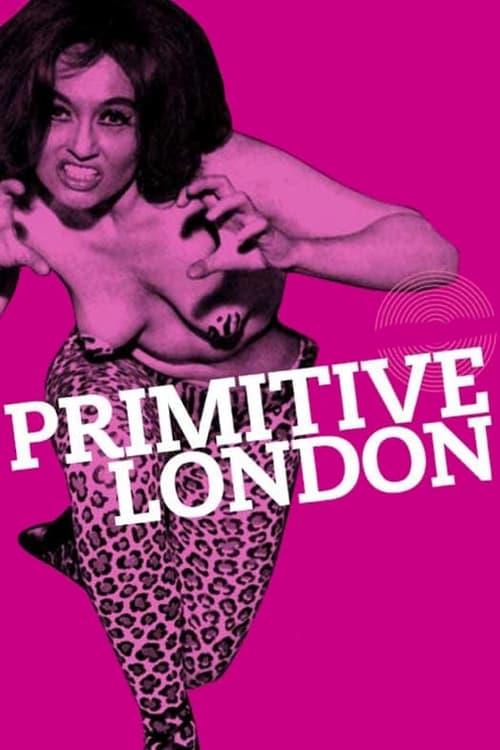
The sensational follow-up to "London in the Raw," "Primitive London" sets out to reflect society's decay through a sideshow spectacle of 1960s London depravity—and manages to outdo its predecessor. Here, we confront mods, rockers and beatniks at the Ace Café, cut some rug with…
Narrator
Self
Self
Self
Self
Self

Roger
Self
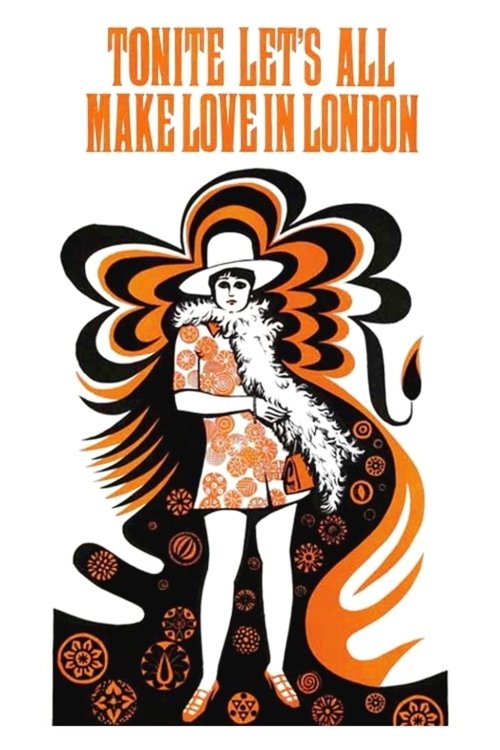
Peter Whitehead’s disjointed Swinging London documentary, subtitled “A Pop Concerto,” comprises a number of different “movements,” each depicting a different theme underscored by music: A early version of Pink Floyd’s “Interstellar Overdrive” plays behind some arty nightclub scenes, while Chris Farlowe’s rendition of the Rolling Stones’ “Out of Time” accompanies a young woman’s description of London nightlife and the vacuousness of her own existence. In another segment, the Marquess of Kensington (Robert Wace) croons the nostalgic “Changing of the Guard” to shots of Buckingham Palace’s changing of the guard, and recording act Vashti are seen at work in the studio. Sandwiched between are clips of Mick Jagger (discussing revolution), Andrew Loog Oldham (discussing his future) – and Julie Christie, Michael Caine, Lee Marvin, and novelist Edna O’Brien (each discussing sex). The best part is footage of the riot that interrupted the Stones’ 1966 Royal Albert Hall concert.

A mixed media film exploring the sweet & tender relationship between a family and their dog, Wandsey. Named after the borough of their home, Wandsworth, the film tenderly explores what home means, and how the presence & relationship of a pet can transform what home can be. With its scrapbook-like form, each memory turns like a page, as Gabby and her dad lovingly revisit the 17 beautiful years they shared with Wandsey. Softly and sweetly, the film asks what it means to love — and shows how the love we give & receive from our pets can truly transform a home.
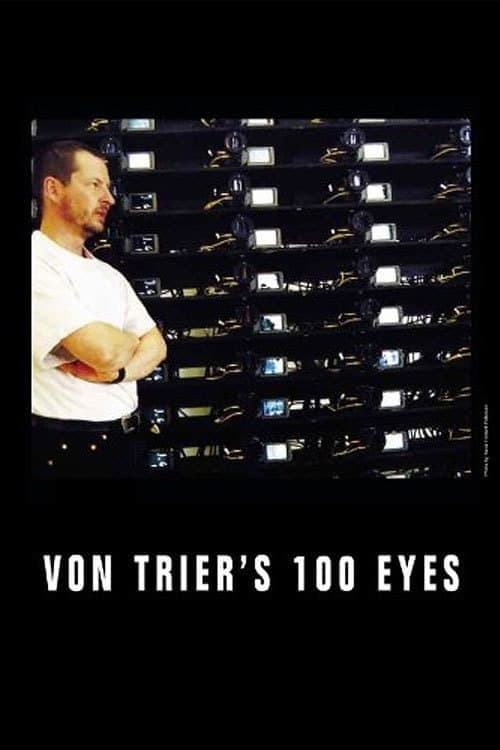
Although at first sight this might look like a simple ‘making of DANCER IN THE DARK’, the later developments in the film reveal the whole drama of Lars von Trier’s inner life during the shooting process. All his doubts and insecurities in collaborating with the crew and actors - especially actresses - are exposed. The biggest drama started when Björk walked off the set. Nobody knew whether she would be back or not. Admitting that he feels threatened by women, who can ‘make him feel embarrassed’, the director gives this documentary the nature of a personal diary. When he discusses the importance, purpose and beauty of the use of a hundred cameras in a certain sequence or the meaning of the Dogma 95 rules, the audience is witnessing the process of the artist’s search. Is the pain that the director went through during the shooting really visible in the final result, as Lars von Trier claims in this film? (from: http://www.idfa.nl/)
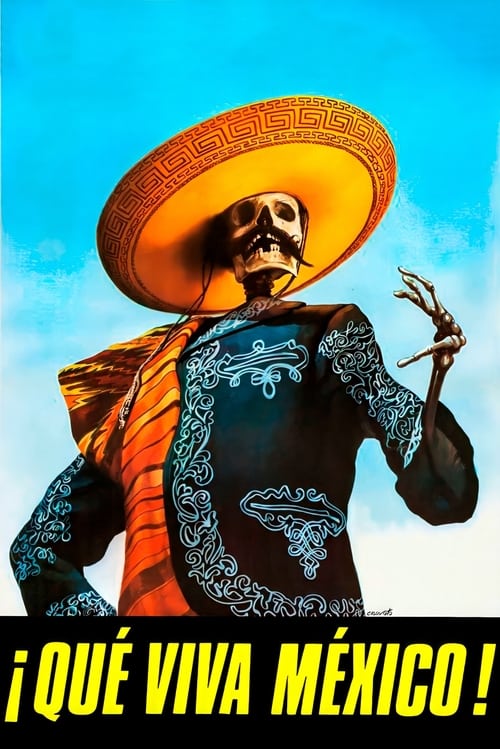
Having revolutionized film editing through such masterworks of montage as Potemkin and Strike, Soviet director Sergei Eisenstein emigrated West in hopes of testing the capabilities of the American film industry. Quickly ostracized from Hollywood, Eisenstein, Grigory Alexandrov, and photographer Eduard Tisse (at the urging of author Upton Sinclair) wandered south of the border, where they began filming a highly stylized documentary about the people and volatile social climate of Mexico. Unfortunately, a lack of funds prohibited the film's completion, and the famed director was unable to edit the film. In 1979, by referring to Eisenstein's extensive notes and sketches, Alexandrov assembled the most definitive version of the film; as close to Eisenstein's vision as one is ever likely to see.