Loading titles…
Drama
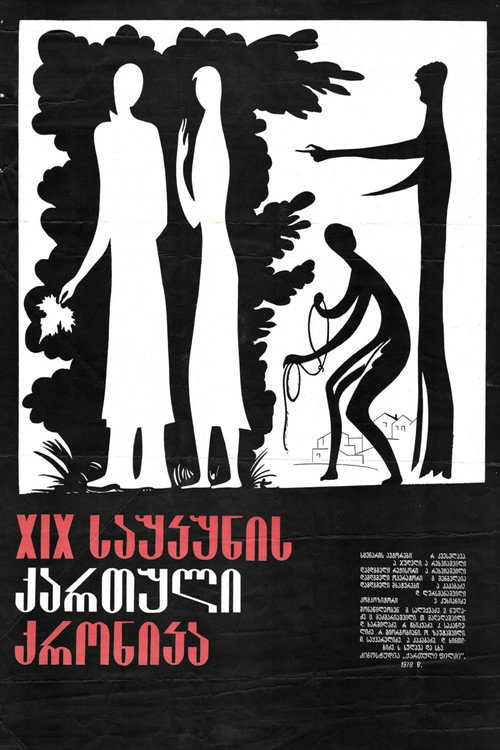
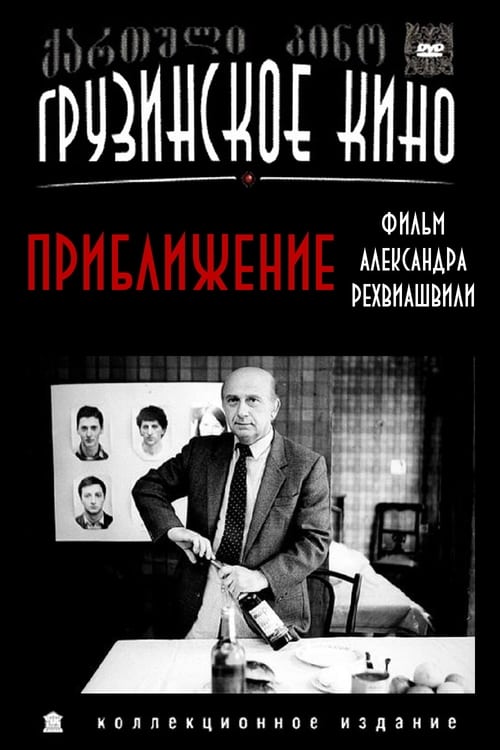
A full-blooded, interesting life has long eluded the house where a mother, father, son and daughter live. Trivial household matters, conversation at dinner about duty — that's all that connects them. The situation changes when it becomes known that the family inherited the…
Cast
Cast

Cast

Cast

Cast

Cast
Cast

Cast
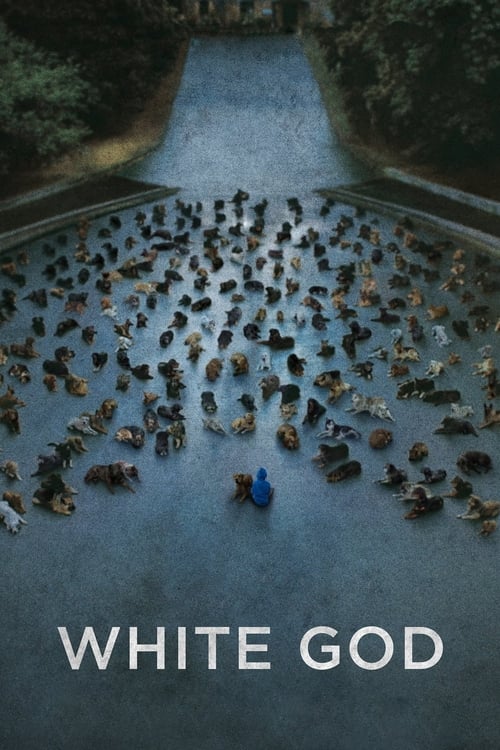
13 year old Lili fights to protect her dog Hagen, and is devastated when her father sets Hagen free on the streets. Still innocently believing love can conquer any difficulty, Lili sets out to save her dog. Failing in his desperate efforts to find his beloved owner, Hagen joins a canine revolt leading a revolution against their human abusers.
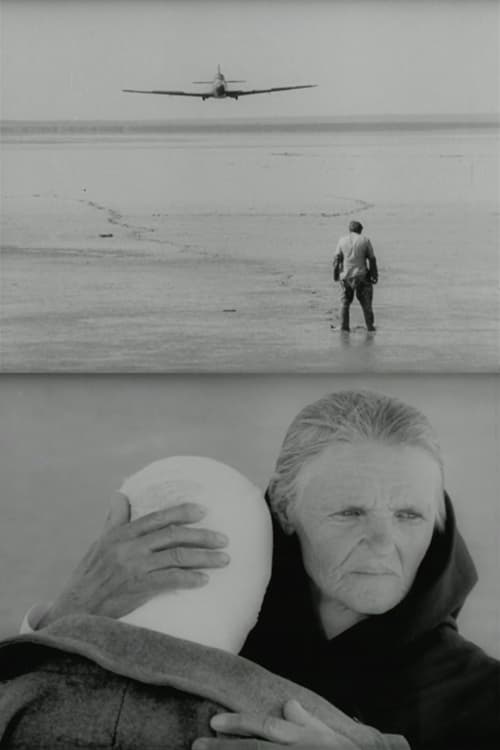
This film ballad is dedicated to those who never returned home from WW2. A group of retreating Soviet soldiers, crossing a lunar terrain in a desperate attempt to escape death, is attacked by a German fighter plane that appears like a bolt from the blue. One by one they are killed. Then suddenly, in an unlikely denouement bordering on the mystical, the attacker is shot down with a simple rifle. For ideological reasons that defy understanding this film, one of Viktor Hres’ earliest works, was shelved in 1967 by Soviet censors. In 2010, it was restored by the Debut Studio of the Oleksander Dovzhenko Film Studio with the support of the Ministry of Culture and Tourism of Ukraine.
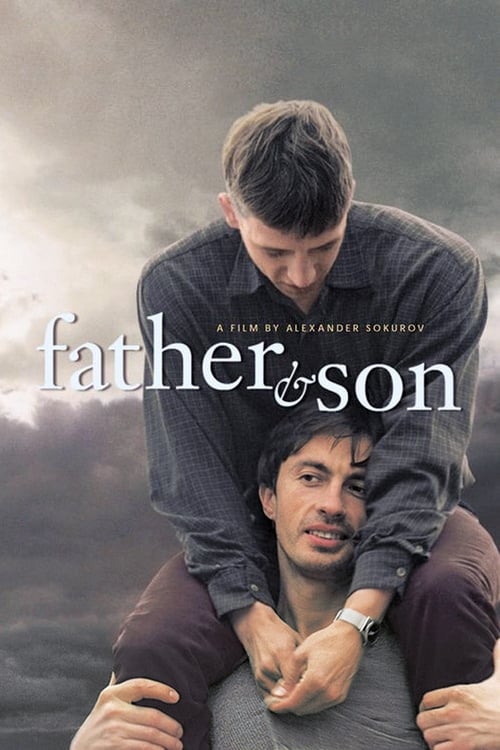
In this dreamlike film, a nameless father and his son, Aleksei, live together in an apartment in St. Petersburg. Aleksei's mother has died and consequently the two have a very close relationship. When Aleksei acquires a girlfriend, she refuses to take a back seat to his bond with his dad, and breaks up with him. Aleksei is also experiencing nightmares, dreading separation from his father to be a part of the military as his father was.
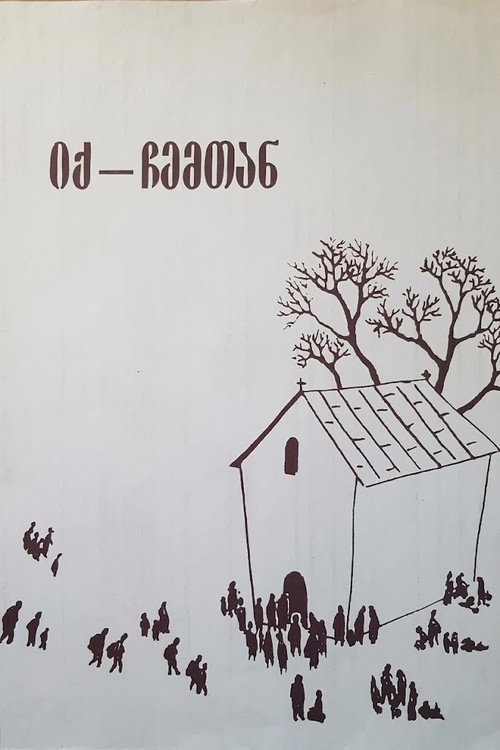
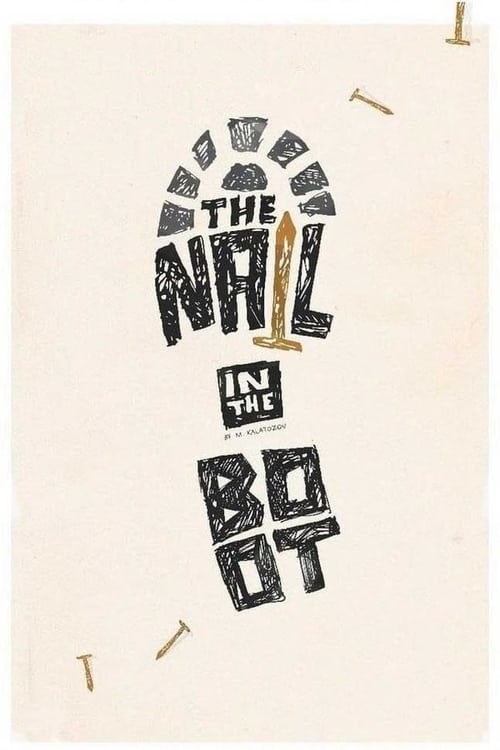
Banned in the Soviet Union for its "negative" content and never released, Kalatozov was forced to retreat from filmmaking for seven years because of this film. The film sets out to illustrate the old adage, "For want of a nail, the battle was lost," showing how the inferior quality of something so trivial as a nail in a soldier's boot leads inexorably to the capture of an armored train. Kalatozov had intended to demonstrate the crucial and universal importance of efficiency in Soviet industry, but the government decided that his fable gave a negative impression of the Red Army's capabilities.