
Loading titles…
Cara
Lucy
The friendship between two children is threatened by their parents’ differences. Malú is from a family that was upper-class before the Revolution and remains well-to-do through remittances from relatives overseas, and her single mother (Larisa Vega Alamar) does not want her to play with Jorgito, as she thinks his background coarse and commonplace. Jorgito’s mother (Luisa María Jiménez Rodríguez),
Following political upheaval, traditionally poor countries have stopped exporting raw materials. The Western world is entering an economic crisis, which is rapidly spreading to Norway. Unemployment rises sharply, and it becomes more difficult to obtain food. The government does not officially acknowledge the crisis, but fear spreads among the population. Demonstrations between the population and the police are now a daily occurrence. Thomas and Vera are also unemployed. The only way out of their predicament is to move out of the city and rent an abandoned farm. The sale of food is banned. Military forces arrive to confiscate what little they have. Later, the city population follows, traveling to the countryside in panic to secure something to eat.
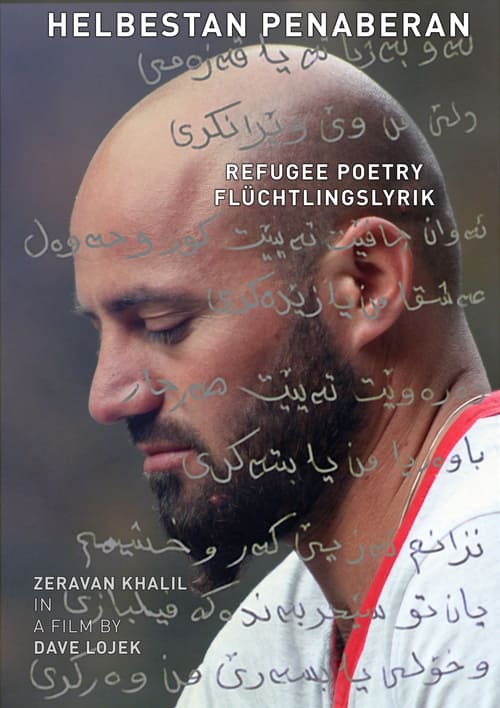
The Kurdish Iraqi poet and actor Zeravan Khalil travels with his dog through an Alpine gorge after fleeing from IS war and genocide. As he remembers the abomination, he writes a poem with the title “You drive me mad” in Kurmanji Kurdish. In his home country, Yazidic Kurds are forbidden to work in his profession. Then he eats his apple and wanders through Europe’s middle with more hope.
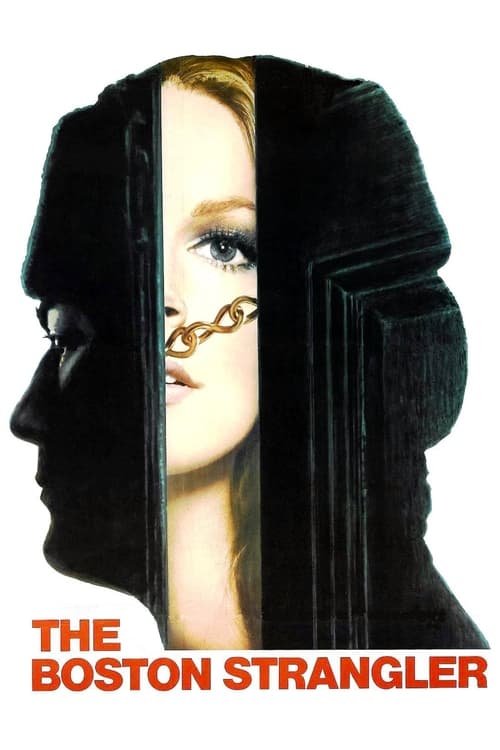
Boston is being terrorized by a series of seemingly random murders of women. Based on the true story, the film follows the investigators path through several leads before introducing the Strangler as a character. It is seen almost exclusively from the point of view of the investigators who have very few clues to build a case upon.