

Alberto Bonilla
Self
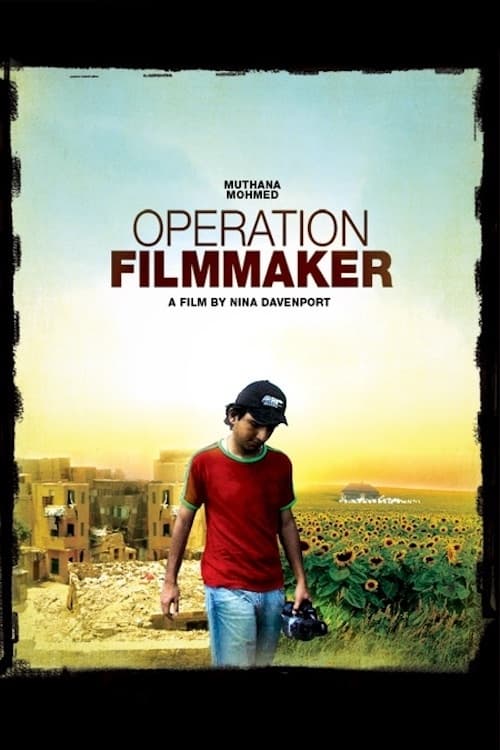
Soon after the fall of Baghdad in 2003, a young and charismatic film student, Muthana Mohmed, stands in the rubble of the city's film school and explains to an American television audience that his dream of becoming a filmmaker has been destroyed - first by Saddam Hussein, then…
Self
Self
Self
Self

A subtitle warns, "beware of dark sunglasses." Anna and her lover, whose looks in bowler and bow tie are reminiscent of a young Buster Keaton, kiss chastely on a bridge overlooking the Seine. He dons sunglasses and waves as she runs down a stairway to the river's edge, then watches in horror as she's knocked flat and loaded into the back of a hearse. In vain, he gives chase. Disconsolate, he buys a large funeral wreath and a handkerchief from sympathetic vendors. He removes the glasses to wipe his eyes and realizes they are the cause of all his woe. He replays the farewell without the glasses.




Director Paul Borg (Ebbe Langberg) neglects his young, beautiful wife Marianne (Ghita Nørby). He even forget their wedding day, in favor of a new fast sports car, a beautiful silver-gray Jaguar. During his drive, he runs out of gas. A young lady Laura Lublinski (Hanne Borchsenius), helps him and he takes an innocent flirtation with her. When Marianne learns this, she moves home and dump into an artist community with Jenny (Bodil Steen), Ovengaden of water 52 in Christianshavn. Here she takes the unrepentant Don Juan, Mario (Dario Campeotto) and the guitar-playing Eigil (Dirch compatible).

Parallel love stories of three young women in Berlin: Hannah - an unhappy attorney who sexually demeans herself in order to get at least some love and romance, Leni who runs a coffee shop and has just been ditched by her long term boyfriend, and Vivienne who ends up falling in love with a puppy-eyed pasta designer with 21 dogs.
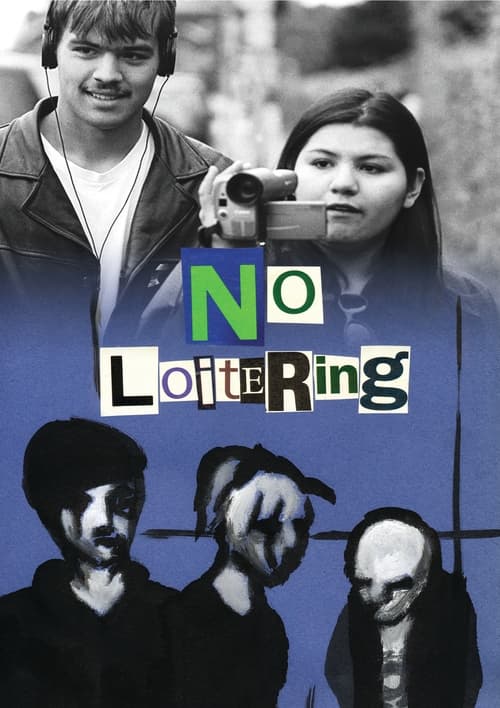
An intimate portrait of teenagers trying to understand their world and their possibilities. The film weaves together video shot by teens and by the filmmaker, as they work together to make a film and create expressive outlets for youth in the community. They organize dances and community events and paint a mural. At the same time, with humor and pathos, these young people raise issues around violence, feeling misunderstood by adults and lacking respect in their community. Set in the small town of Sitka, Alaska, home to a large Alaska Native population, the video chronicles their creativity, concerns and dreams.

Reeling from a brutal break-up, Kira sleeps with Max, a charming but disheveled wreck already committed to long-term girlfriend Sara. Max (no emotional sophisticate) becomes obsessed, mostly with Kira, but vaguely with his curious lack of conscience as well. Kira, fighting to win a job she hates and running aimless romantic loops, faces the precarious double challenge of choosing a next step and charting a course back to sanity. Good luck leading with your heart, when your heart is an utter emotional idiot.

The film tells a very personal story from two perspectives: our protagonist is both doctor and patient. As a patient, he has struggled with recurring depression for years, and as a doctor he wants to find out why. The search for the origins of his illness leads him into the realm of his own genes and casts light on the fundamental changes facing modern society as a result of the tremendous progress being made in the field of genetic sequencing. Along the way, he meets a host of people – researchers, artists, visionaries – who have developed their own very individual approach to genetic coding and are drawing attention to the social significance of genetic technology. The film does not restrict itself to a scientific view of the subject but also makes use of artistic visions and more playful approaches to genetic blueprints.

In the 1970s, five men struggling with being gay in their Evangelical church started a bible study to help each other leave the "homosexual lifestyle." They quickly received over 25,000 letters from people asking for help and formalized as Exodus International, the largest and most controversial conversion therapy organization in the world. But leaders struggled with a secret: their own “same-sex attractions” never went away. After years as Christian superstars in the religious right, many of these men and women have come out as LGBTQ, disavowing the very movement they helped start. Focusing on the dramatic journeys of former conversion therapy leaders, current members, and a survivor, PRAY AWAY chronicles the “ex gay" movement’s rise to power, persistent influence, and the profound harm it causes.
Self

Self
Self
Self

Self

Self

Self