


Loading titles…
Documentary / History
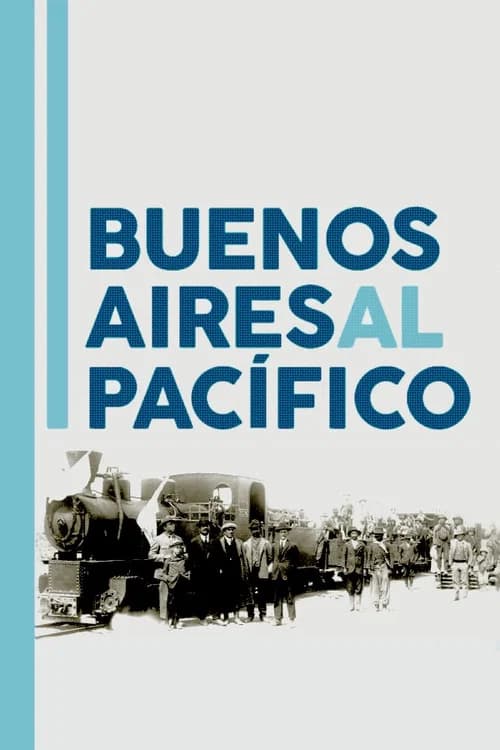
There was once, in 1910, a train able to cross the wild territories between Argentina and Chile, making possible a mythical journey, joining two oceans with a single ticket, from Buenos Aires to Valparaiso. The last trip of the BAP was in 1979; in the nineties, its various…
Himself - Narrator (voice)
Himself - Narrator (voice)
Herself - Narrator (voice)
Himself
Herself
Himself
Himself
Himself
Herself
Himself
Himself

When you listen to The Years, the debut studio recording from Urbanites, you're hearing a band in progress. They wanted to make The Years differently, and decided to record the album together, live, in the same space - Studio A of Electrical Audio in Chicago, Illinois. With the exception of limited overdubs, (vocals, drum ensembles and laptop atmospherics) each song represented one collective take, warmly captured to two inch analogue tape. This recording method embraced the mistake as much as the moment. They also chose to document the making of the record with a film, appropriately titled, 'You Can't Rewind The Years'. With a new understanding and years of progress to come, these longtime friends are making the music that they'd always hoped to. As they sing, in The Years' standout track Restless, "Not without trial, not without err - this brokenness is ours to share."

Buenos Aires is a complex, chaotic city. It has European style and a Latin American heart. It has oscillated between dictatorship and democracy for over a century, and its citizens have faced brutal oppression and economic disaster. Throughout all this, successive generations of activists and artists have taken to the streets of this city to express themselves through art. This has given the walls a powerful and symbolic role: they have become the city’s voice. This tradition of expression in public space, of art and activism interweaving, has made the streets of Buenos Aires into a riot of colour and communication, giving the world a lesson in how to make resistance beautiful.



Since colonial times, the indigenous people of the Andean mountains have ascended to peaks that reach 5,200 meters above sea level. There, they crush gigantic blocks of ice that carry on their backs to sell them later in the fairs of Riobamba and Guaranda. The film shows the living conditions of the communities that live from this activity.

In Ecuador, in a single day, the train passes from the mountainous Andes to the tropical coast. The roads were built between 1861 and 1908 to connect the country. Until this date, the two regions live as separate countries, although the roads connect them in less than a day. The film is an observational work that talks about space and collective memory.

