Loading titles…
Documentary
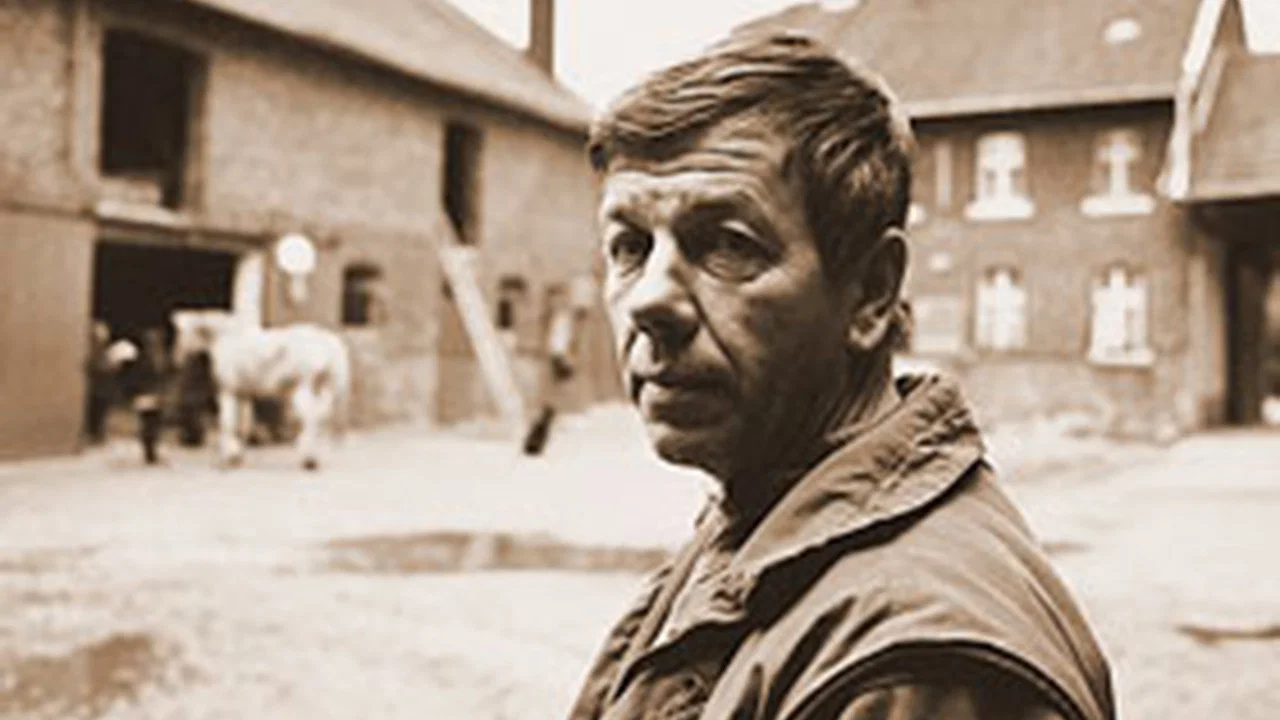
By 2045, twenty localities in Germany will be resettled because of brown coal open pit mining. The film Waste Land follows the inhabitants of three villages in the Rhenish coal-mining district during their last years in their old home and documents how an entire region prepares…

No cast information available.

Becoming a father is an extraordinary adventure in a man's life, but it is also a real physiological metamorphosis that science is only just beginning to reveal. Researchers from multiple disciplines are lifting the veil on these changes taking place in men who are in contact with young children, and their discoveries are astonishing. By tracing the thread of evolution, the film reveals that these deep, long-ignored bonds between men and children are very ancient. And that they are just waiting for the right context to fully express themselves.

"TDS, derrière l'écran des travailleuses du sexe" is a deep dive into the lives of Betty, Anaïs, Noochka, Manon, and Barty. They have all ventured into the world of selling sexual content online. What pushes someone to take the step of signing up on these platforms? What are their motivations? What are the consequences on their personal lives? Why do some choose to stick with it for years, while others decide to stop for good?

Hannah, Laure, Adrien, and Halima are students at the Regional Institute of Social Work in Paris. Four students among the fifty in the first year of training to become educational support workers. They chose this profession out of commitment and vocation. Between the classroom and their field placements, they will confront their dreams and ideals with the realities on the ground, discover new sides of themselves, and begin to shape the contours of the profession they will practice—each in their own way.


Armed with realistic bird puppets, trickster environmental activists pretend to be oil company Total—staging a satirical press conference to introduce “RéHabitat,” a program to rescue animals from the East African Oil Pipeline by relocating them to “more sustainable” habitats. Using humor and mischief, they expose a deadly ecological disaster in a zany effort to help #StopEACOP.


Our shoes go lots of places, across vast distances, and over many miles. But eventually, no matter how much we care for them, our shoes break down and usually get thrown away. Max Romey wanted to find out what happens to his old shoes, and in his film No Lost Shoes, highlights the full scale of the problem.

Just one of the many far-reaching impacts of the slave trade on human history is on agriculture and horticulture. While the French plantation owners on the Caribbean island of Martinique had their gardens laid out, Versailles-style, their enslaved workers continued their tradition of using medicinal wild herbs. Nowadays these herbs represent one of several resources through which the people of Martinique counter the health and ecological ravage caused by the use of pesticides on the banana plantations. Farmers are reclaiming uncultivated lands to grow indigenous vegetables, without any industrial pesticides; they fight boldly for simple biodiversity.

What does it mean to be Black in America in the 21st century? The recently formed Black American film group TNEG™ has set out to elucidate this very question. Hearing from the likes of fine artist Kara Walker and musical artist Flying Lotus, the film is based on a deceptively simple approach -- asking a refined list of black 'specialists' as well as 'uncommon folks' questions about what they think, and more importantly as lead director Arthur Jafa states, 'What they KNOW' -- the film is an unprecedented 'stream of the black consciousness' and a strikingly original and rarefied look at black intellectual and emotional life. What's so unorthodox about this simple approach is that the interviews were recorded separately from the images in the film. What results is a breathtaking, kaleidoscopic look of American black life from the dawn of three original filmmakers.

This documentary is about the Byker Community Centre. This centre was built in 1928. During the great depression, it helped a lot for the local people. In modern days, we have plenty of other problems, such as food waste, poverty, and isolation. This centre fights with all of that. Also, it invites all people, despite their disabilities, social groups, age, and gender and provides help and activities. This place is magical and hospitable.