Loading titles…
Narrator

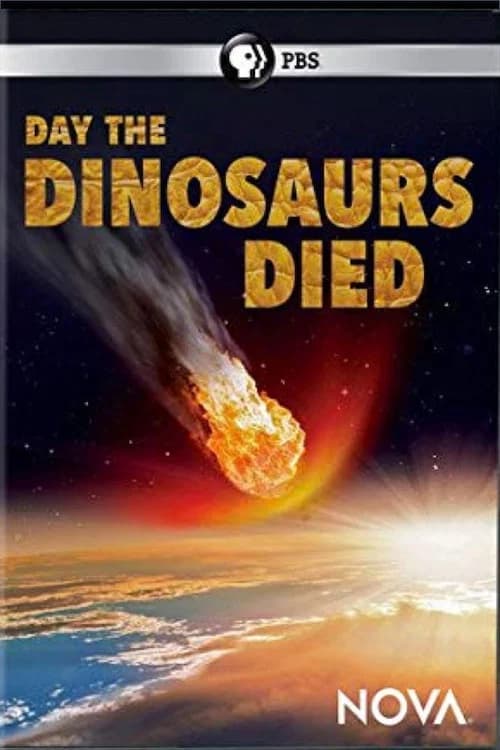
Dinosaurs roamed and ruled earth for more than 150-million years, then suddenly vanished leaving only fossils to fascinate and befuddle us. In a feature-length unique approach to historical analysis of these creatures, we don't focus on the latest technology or the most controversial theory. Instead, we look chronologically at what we've gotten wrong about dinosaurs throughout the short history of scientific study of these magnificent, misunderstood creatures, and see where paleontologists are digging today.


Deep inside the arctic, scientists are experimenting with extreme palaeontology methods to unlock the secrets of polar dinosaurs, and perhaps the key to our own survival on Earth. On Alaska's north slope there are dinosaur bones, lots of them. But they're trapped in an icy tomb - an impenetrable wall of permafrost. Dinosaurs on Ice follows the journey of two scientists, Dr Tom Rich and Dr Tony Fiorillo, who undertake separate expeditions to the Colville River in Alaska's far north to uncover the dinosaurs' bones and break the ice on a prehistoric world that until now has been unreachable. But the task is not easy. The weather is extreme, the location remote.
Imagine a time when Earth was a molten, volcanic wasteland, constantly bombarded by colossal asteroids. We’ve long feared these cosmic impacts as destroyers of life – just ask the dinosaurs – but what if they were the key to our very existence? Explore a revolutionary new theory suggesting that these violent collisions provided the essential ingredients – water, minerals, and energy – needed for life to ignite on our planet. Discover how scientists are unearthing evidence from lunar rocks and ancient impact craters, revealing that the very objects once thought to extinguish life might have actually sparked it.

Documentary tells the story of Germany's origins from the Carboniferous period to the present day. It leads from the highest Alpine peaks to the rugged North Sea coasts - from the craters of the Eifel to the river labyrinth of the Spreewald. Back then - around 300 million years ago - giant dragonflies, for example, buzzed through dozens of meter-high fern forests. In the course of the Earth's history, however, we also encounter dying dinosaurs, meet rhinos and elephants on the Rhine and come across what is probably the first human in Heidelberg. Later, the Neanderthals appear and suddenly disappear again - for reasons that are still unknown. And finally, modern humans gradually spread and began to shape their environment.

In the Netherlands, 200,000 young people are concerned about the end of the world and the major climate disasters they may experience. They learn from Greta Thunberg that the world will end if we continue like this. Climate depression and eco-anxiety have recently become official diagnoses. Robin (26 die/them), Melih (16 he/him) and Armando (21 he/him) turn their concerns into action. How far will they go and how lonely is their struggle? Documentary about the biggest problem of our time and the pressure this puts on a growing generation.
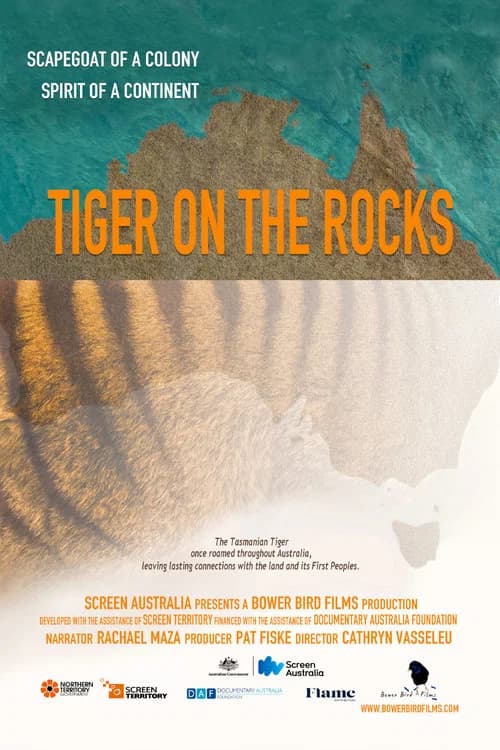
The Tasmanian Tiger twists and turns depending on how it's seen. Sheep-killing beast or tragic victim of human induced extinction. Ancient painting on a rock or vivid ancestor spirit. Lost forever, or a timely reminder to respect the connection between human and animal, culture, nature and country. In stunning landscapes across Australia where Thylacines once roamed, people from wide-ranging traditions share their experiences: First Nations artists, rangers and custodians; biologists, bone hunters and archaeologists. Multiple insights combine to throw light on Australia's most wanted animal.