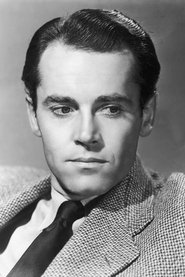
Henry Fonda
Narrator (voice)
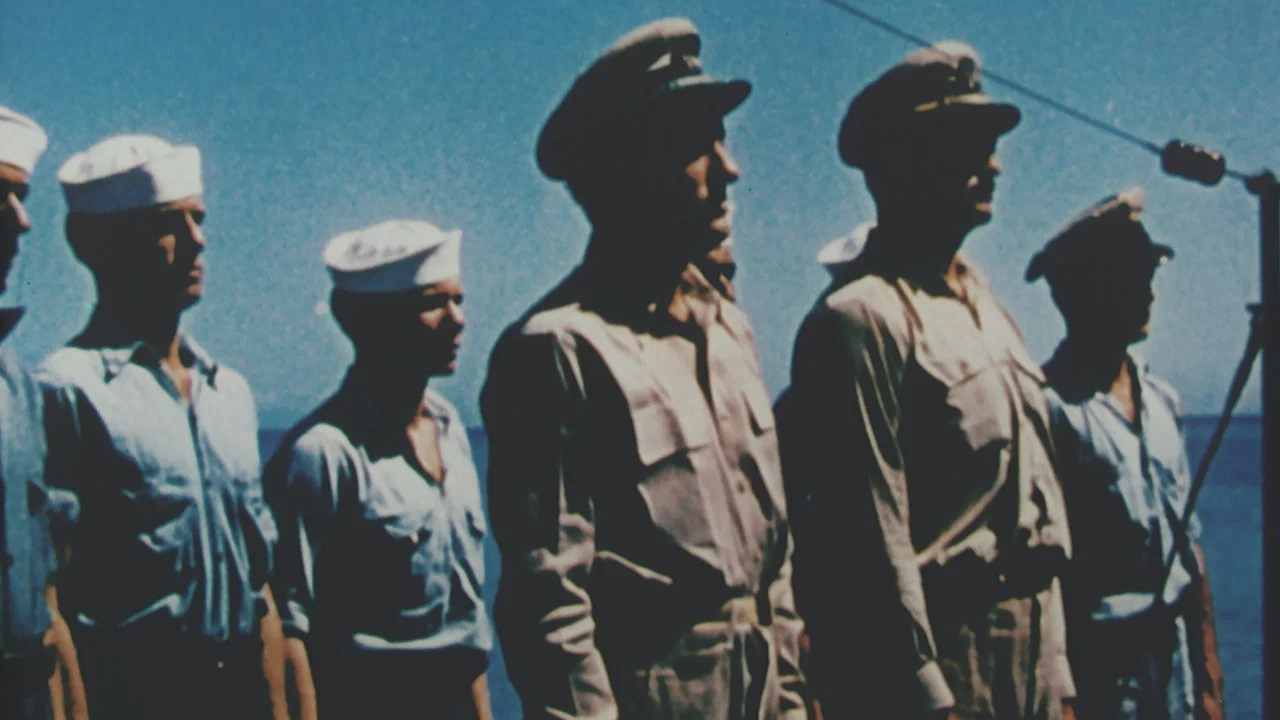
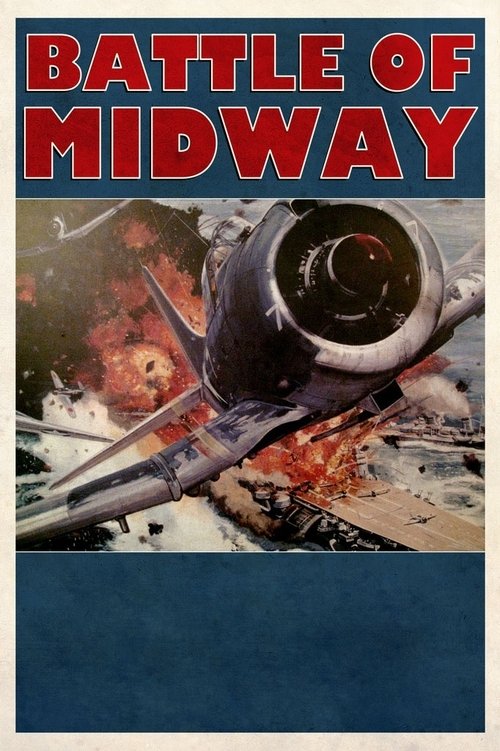
The Japanese attack on Midway in June 1942, filmed as it happened. Preserved by the Academy Film Archive, in partnership with Twentieth Century Fox Film Corporation, in 2006.
Narrator (voice)
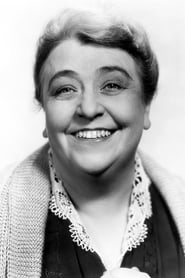
Narrator (voice)
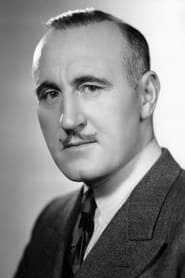
Main Narrator (voice) (uncredited)
Narrator (voice) (uncredited)
What does it mean to be self-determining in America? And what does achieving the American Dream really feel like? Not everyone gets to answer that question for themselves, and some who do may take it for granted. In Cumberland, Maryland, disappearing industry over the last 30 years has left the city economically depressed and half-deserted. The city’s new mayor has taken it upon himself to inspire a revitalization, and his plan starts with buying up homes in The Rolling Mill, a once vibrant neighborhood stricken by the same ills as the city. With every willing seller who leaves The Rolling Mill behind, the mayor’s plan to change Cumberland’s fortunes by building a new chain restaurant progresses. But as the face of the neighborhood they love changes so drastically, a steadfast group of long-time Rolling Mill residents have refused to relent to the city.
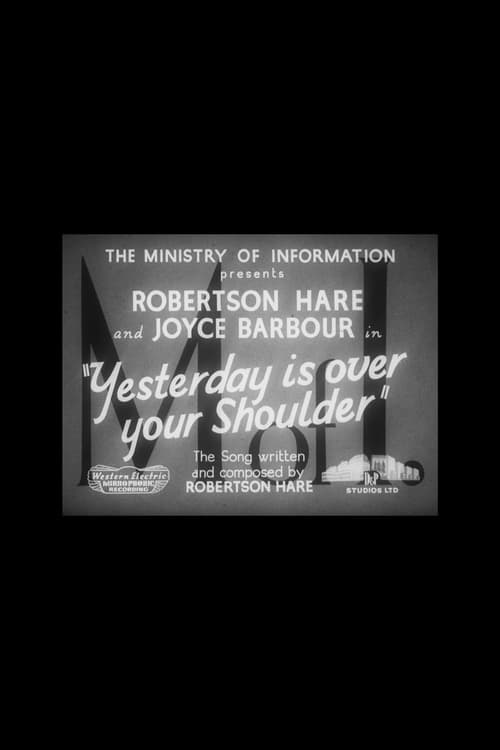

Marlin (Joe Wilcox) and his slightly crazy but loving wife Elvira (Lauren Campbell) are having money troubles in the 1940’s. Marlin seems to have caught his lucky break when a powerful person in the war is interested in him making a propaganda movie for him. Unfortunately the couple may have bitten off more than they could chew.


The constant movement of the wheels, threads, sprockets, feet and hands suggests restlessness, and this is paralleled by the soundtrack. The unknown woman could be Gretchen from Faust, hopelessly in love or Ariadne who gave Theseus the thread to find his way out of labyrinth or perhaps she is one of the fates, weaving destiny… Enlarged from Super-8 to 35mm, the film is very grainy, in itself an homage to the medium of film which is also emphasized by the depiction of all kinds of turning machines, both in image and sound.