
Loading titles…
Documentary
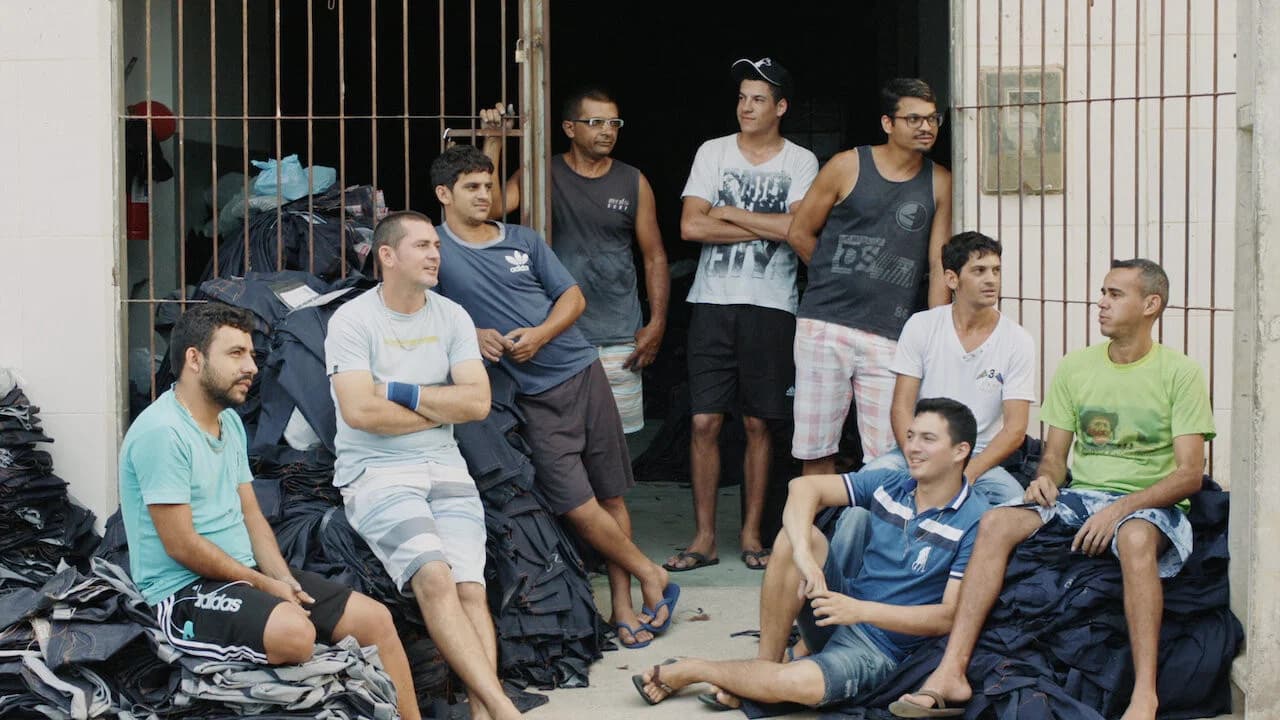
A documentary film about the Brazilian town of Toritama, the self-proclaimed capital of jeans. The workers of the city’s self-managed small businesses only get one real break from their self-exploiting lives in the textile business: the annual Carnival.

No cast information available.

Drama in the Desert: The Sights and Sounds of Burning Man is a full-color book (which includes a DVD) based on the captivating images of Holly Kreuter, with contributions from an additional 90 Burning Man participants, offering the reader a taste of the Burning Man experience. The DVD includes an original Score by Sean Abreu, seven slideshows featuring 560 Kreuter photographs and video interviews with 8 artists including Larry Harvey.

In 1984, eleven miners entrenched themselves underground to protest for better working conditions in the mining village of Almaden in southern Spain. The strike, deep within the toxic mercury mine, lasted for eleven long days, during which the whole village showed its solidarity with the men protesting underground. The mine was the heart of Almaden, around which everything revolved – until it longer existed. The mercury mine was closed for good at the beginning of the 21st century. As a consequence, the area has experienced mass unemployment and slow decline.
A beautifully done video of Burning Man 2001, 2002 & 2003. Lots of people interviews, Center Cafe activity and extensive coverage of artist David Best and the Temple construction and burn. This documentary captures the swirling columns of dust that were created during the intense heat of the 2002 Temple burn.
AquaBurn is an award-winning documentary film by director Bill Breithaupt showcasing "The Floating World" theme of the 2002 Burning Man Festival. AquaBurn features many of the incredible Burning Man art installations, the imagination and originality that went into their creation, and the artists who conceived them. Unlike conventional documentaries on the Burning Man Festival, AquaBurn captures the true feeling and excitement of the event itself, transporting the viewer to a hot, dusty wonderland without ever leaving home.

In the heyday of the jute industry, millions of people in Bengal made their living doing this laborious work, which has hardly changed since the industrial revolution. The 100-year-old machinery has been endlessly repaired. State aid kept this sustainable alternative to plastic going, but its future looks bleak.