Loading titles…
History / Documentary
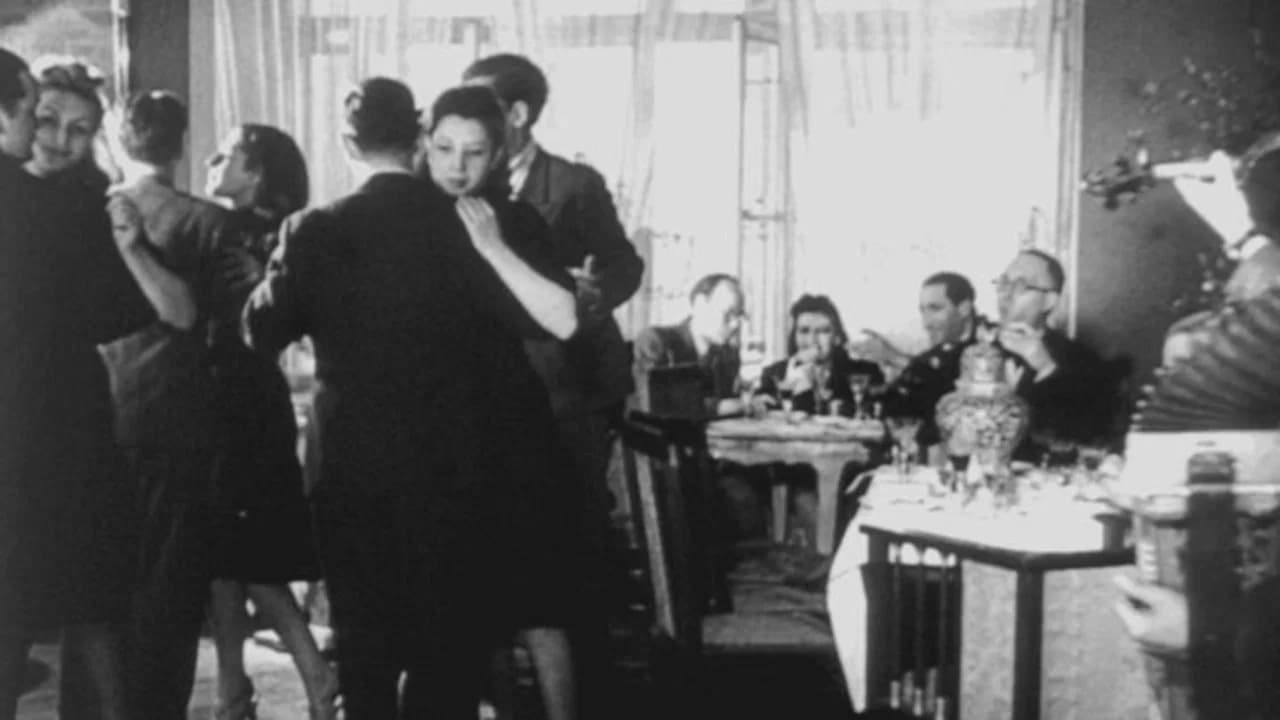
Yael Hersonski's powerful documentary achieves a remarkable feat through its penetrating look at another film-the now-infamous Nazi-produced film about the Warsaw Ghetto. Discovered after the war, the unfinished work, with no soundtrack, quickly became a resource for historians…

Interrogator
Willy Wist
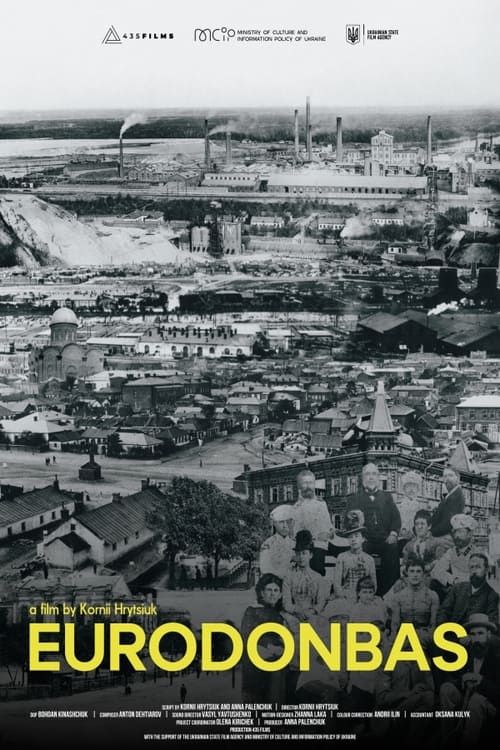
Throughout time, Eastern Ukraine (such as Donbas) has been referred to as a 'Russian world', but this is indeed not the case. The history of Donbas was re-written during the Soviet era. Although the Soviet Union edited out and withheld all references to the European background of this region from history books in schools and universities. There were, in fact, numerous French, Belgian, German, British, Polish, Swiss, Dutch, and even American settlements and more than 100 wide-scale enterprises in the region. Therefore, this film reveals the pro-European industrialization of Ukrainian Donbas at the turn of the 19th century. It aims to emphasize the European roots of Ukraine long before the official integration process of Ukraine into the EU in 2022.
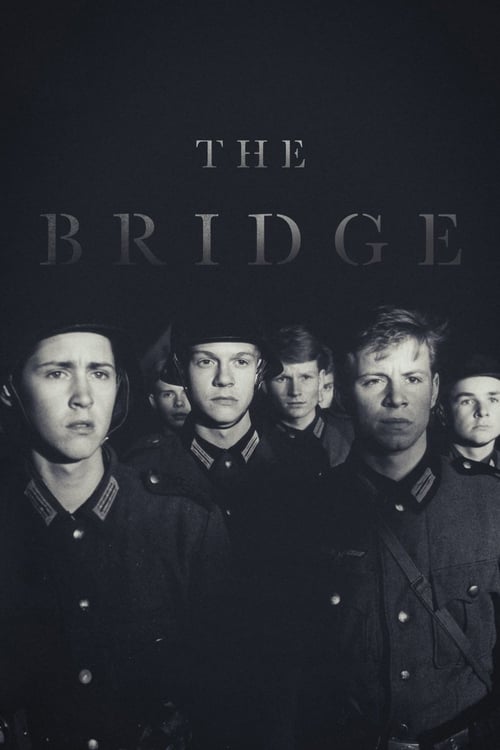
A group of German boys are ordered to protect a small bridge in their home village during the waning months of the second world war. Truckloads of defeated, cynical Wehrmacht soldiers flee the approaching American troops, but the boys, full of enthusiasm for the "blood and honor" Nazi ideology, stay to defend the useless bridge. The film is based on a West German anti-war novel of the same name, written by Gregor Dorfmeister.
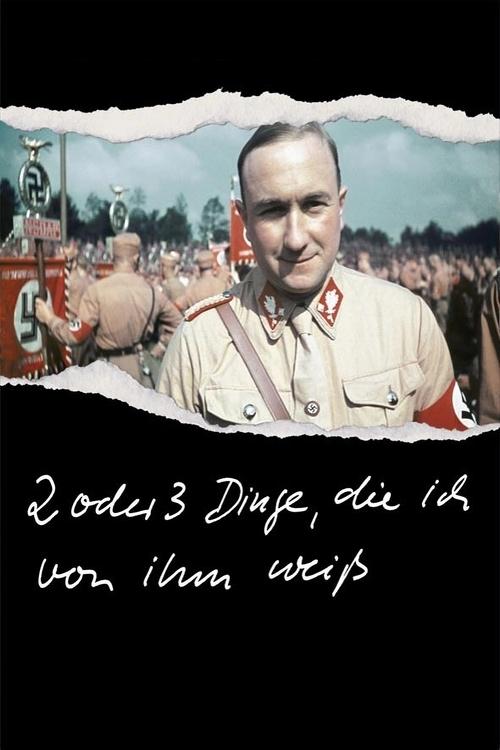
What would your family reminiscences about dad sound like if he had been an early supporter of Hitler’s, a leader of the notorious SA and the Third Reich’s minister in charge of Slovakia, including its Final Solution? Executed as a war criminal in 1947, Hanns Ludin left behind a grieving widow and six young children, the youngest of whom became a filmmaker. It's a fascinating, maddening, sometimes even humorous look at what the director calls "a typical German story." (Film Forum)
The extraordinary story of how Hollywood changed World War II – and how World War II changed Hollywood, through the interwoven experiences of five legendary filmmakers who went to war to serve their country and bring the truth to the American people: John Ford, William Wyler, John Huston, Frank Capra, and George Stevens. Based on Mark Harris’ best-selling book, “Five Came Back: A Story of Hollywood and the Second World War.”
A documentary on the once promising American rock bands The Brian Jonestown Massacre and The Dandy Warhols. The friendship between respective founders, Anton Newcombe and Courtney Taylor, escalated into bitter rivalry as the Dandy Warhols garnered major international success while the Brian Jonestown Massacre imploded in a haze of drugs.