
Loading titles…
Animation / Documentary / History
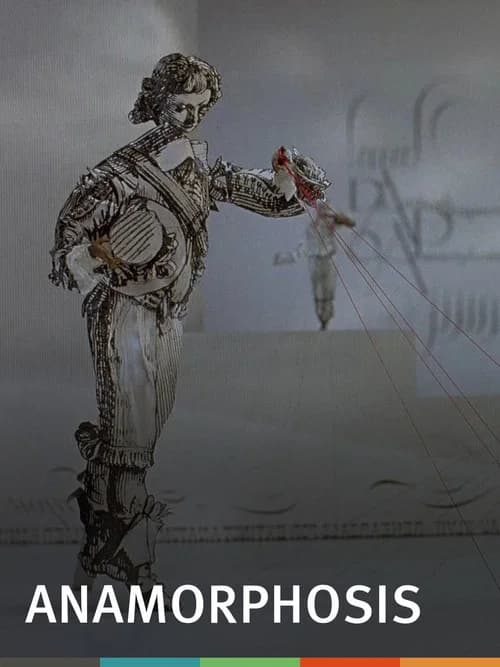
The Quays' interest in esoteric illusions finds its perfect realization in this fascinating animated lecture on the art of anamorphosis. This artistic technique, often used in the 16th- and 17th centuries, utilizes a method of visual distortion with which paintings, when viewed…
Narration
Black Hole Radio is an installation that consists of taped confessions of callers of the New York City Phone Confession Line and video images. The Phone Confession Line is based on anonymous callers ringing to confess on things they had done or thought like adultery, theft, murder or regrets. Thereafter anybody could call and listen to the confessions. Although making a confession was free, listening to a confession costs money. After Cohen got his hands on the confessions, he used them as an audio heartbeat to accompany video-images of every day life in New York City he had taken over the years. This installation is a portrait of the city with its dark secrets, hushed voices and nocturnal images. In this way Cohen tries to bring across an experience to the viewer that relies on absence, waiting and the effort to hear something in the dark.

Trance dances and out of body projection. In front of the camera, Parvaneh Navaï becomes a mediator who enters in contact with and immerses into the energies of Nature, while her own energy radiates and echos in the forest ("selva"). The camera amplifies and expands her presence, transforming the forest into an imaginary space. The camera becomes a painter's brush.


Gérard Courant applies the Lettrist editing techniques of Isidore Isou to footage of late 70's pop culture. Courant posits that his cinema offers an aggressive détournement to the French mainstream, reifying a Duchampian view of film: "I believe in impossible movies and works without meaning... I believe in the anti-movie. I believe in the non-movie. I believe in Urgent... My first full length movie that is so anti-everything that I sometimes wonder if it really does exist!"

A documentary that explores the dangerous and sometimes deadly world of fake products. An industry that once dealt in imitation designer handbags and shoes has exploded into a global epidemic of counterfeit pharmaceuticals, foods, toys, electronic goods, car parts and microchips. COUNTERFEIT CULTURE challenges consumers to take a deeper look at what appears to be harmless knock-offs at bargain prices.


