Loading titles…
Documentary
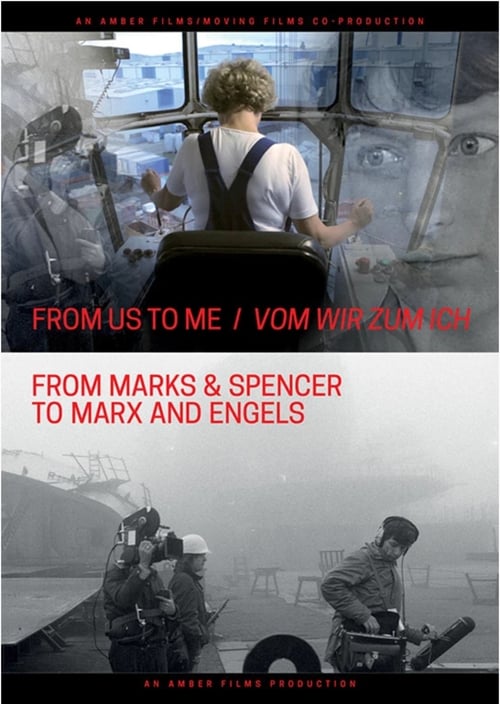
This first co-production between the GDR and Great Britain is intended to contribute to an understanding of the situation and attitudes of millions of working people in opposing social orders. Using the example of shipyard workers, fishermen, the brigade and family of a trade…

Narrator (voice)
Narrator (voice)
Self


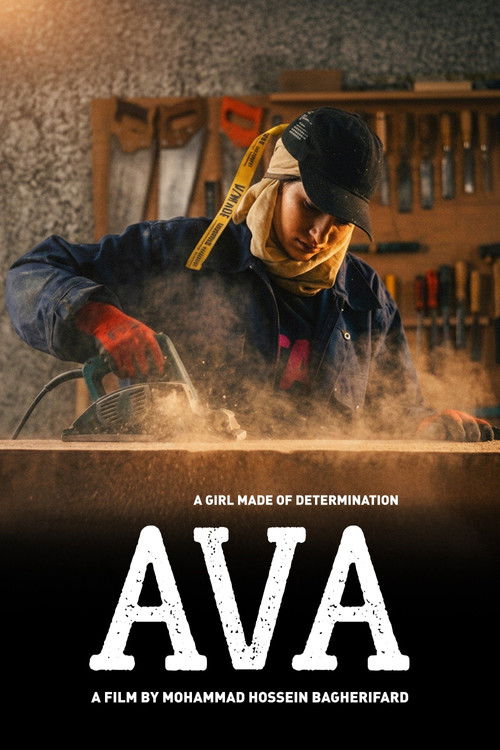
Breaking a centuries-old taboo, Ava stands as the first woman in Iran to master the male-dominated craft of carpentry. Within the grit and clamor of the workshop, she confronts a society that deems her presence forbidden. This observational documentary captures her daily battle against physical hardships and social judgment.

OUTREMONT AND THE HASIDIM reveals the challenges of accommodating the “Hasidim” – or ultra-Orthodox Jews – in the affluent Montréal borough of Outremont.Some 7,000 Hasidim live in or near this choice neighbourhood of Québec’s Francophone elite. After settling there more than 70 years ago, the Hasidim are a rapidly growing minority group which today represents about 23% of Outremont’s population.Thanks to unprecedented access to this self-isolated community, the film lifts the veil on its practices, traditions, music and life as they had never before been seen on Canadian television, without ignoring the community’s expectations, fears. and hopes.

Made on the occasion of March 8, it presents a series of brief portraits of women, from various professional fields, of different ages and even of different ethnicities, pointing out the benefits that the communist organization had brought to their daily lives. A special emphasis is placed on their status as mothers and on the role of nurseries and socialist kindergartens not only in making their lives easier, but also in giving them the time they need to build a career. Another concern of the filmmaker, starting from the concrete case of one of the protagonists, is to highlight the differences between the happy present and the not-too-distant past in which someone with her social status should have dedicated herself exclusively to raising children, in hygienic and extremely difficult lives.
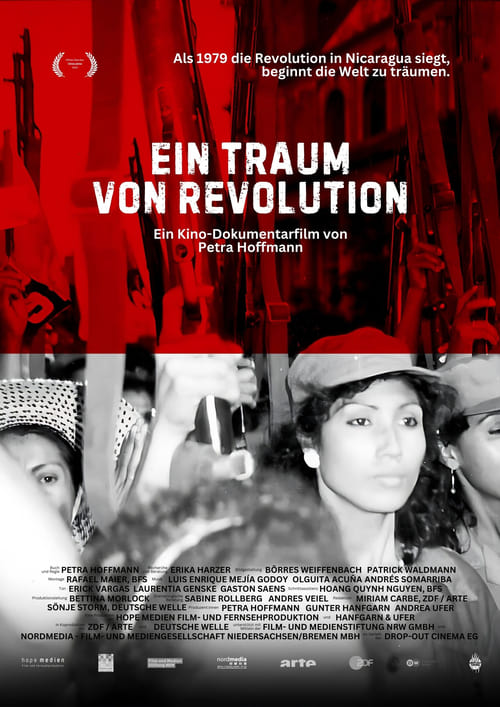
When the revolution in Nicaragua won its victory nearly 40 years ago, the world began to dream. A young generation was taking the reins in a country of grand utopias. From West Germany alone, 15,000 “brigadists” travelled to help rebuild the war-torn country: liberals, greens, unionists, social democrats, leftists and church representatives harvested coffee and cotton, built schools, kindergartens and hospital wards. No movement has mobilised so many people. What became of the hopes and dreams of the revolutionaries and their supporters?

Cruelty, psychological and sexual violence, humiliations: reality television seems to have gone mad. His debut in the early 2000s inaugurated a new era in the history of the audio-visual. Fifty years of archives trace the evolution of entertainment: how the staging of intimacy during the 80s opened new territories, how the privatization of the biggest channels has changed the relationship with the spectator. With the contribution of specialists, including philosopher Bernard Stiegler, this documentary demonstrates how emotion has made way for the exacerbation of the most destructive impulses.
Covering China's powerful leader, his signature foreign policy, U.S.-China trade and technology wars, how Chinese technology helps stifle dissent, and more. A collaboration with the Pulitzer Center on Crisis Reporting, PBS NewsHour conducted more than 70 on-camera interviews in eight Chinese cities and across eight countries.