
Loading titles…
Drama
In a South Bohemian village in 1951, the local rich organize acts of sabotage and try to stop the establishment of an agricultural cooperative with threatening letters and arson. A kulak's son even secretly returns from the West to terrorize the village with his brother.…
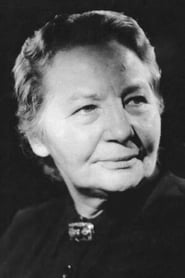
widow Anežka Martincová
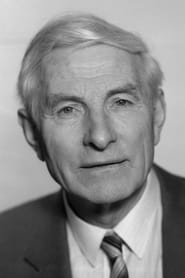
SNB captain Jaroslav, son of Martincová
worker Karel, son of Martincová

worker Tonička, daughter of Martincová
schoolboy Frantík, the youngest son of Martincová
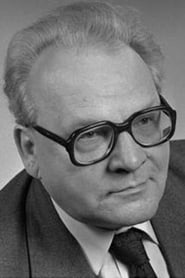
farmer Václav Kovář

Chairman of the MNV Alois Plavec
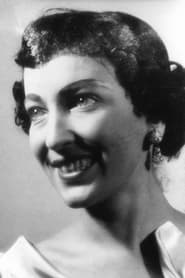
worker Christ, Plavc's daughter
Lieutenant SNB Jindřich Votava

SNB Warden Antonín Hudeček
farmer Štěpán Tomek
cottage Svobodová
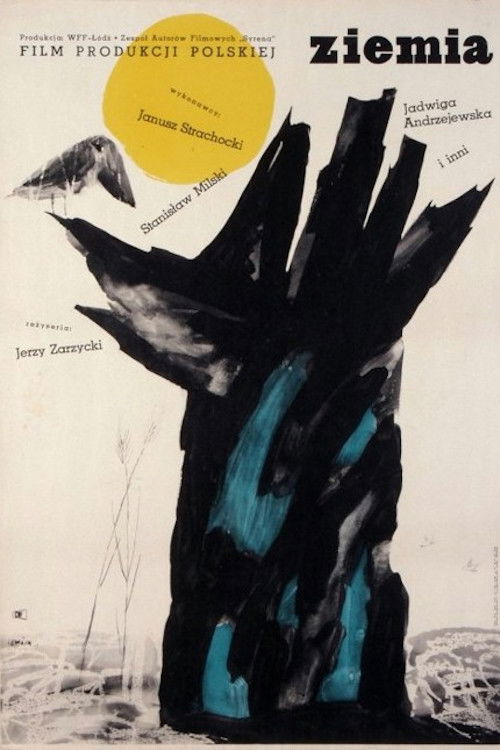
Poland in the 50s, 20th century The process of collectivization of agriculture is under way. The wealthy Slumdog farmer is one of the last individual farmers who have not joined the cooperative and are trying to grow their own land. But it is very difficult - the unemployed mercenaries who paid for them run to cooperatives (where they have better conditions), the environment or the local authorities do not accept him as a kulak. Struggling with the problem of how to make a 40-hectare farm last, he remains alone in the face of a loss of land that he cannot cultivate.
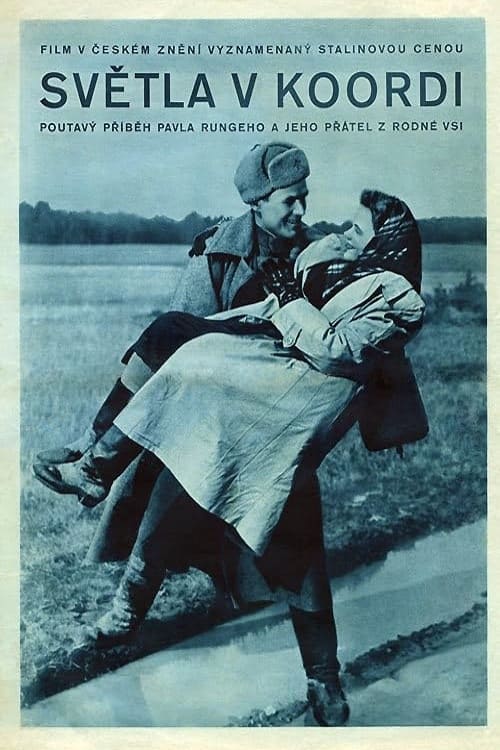
When Paul Runge, a soldier of the Red Army, returns home to Koordi after the war, he sees that, despite the new regime, life in Koordi hasn't changed. It's still a abandoned, uncultured Estonian village, where rich landlords still oppress the population. Runge starts talking about founding a kolkhoze.
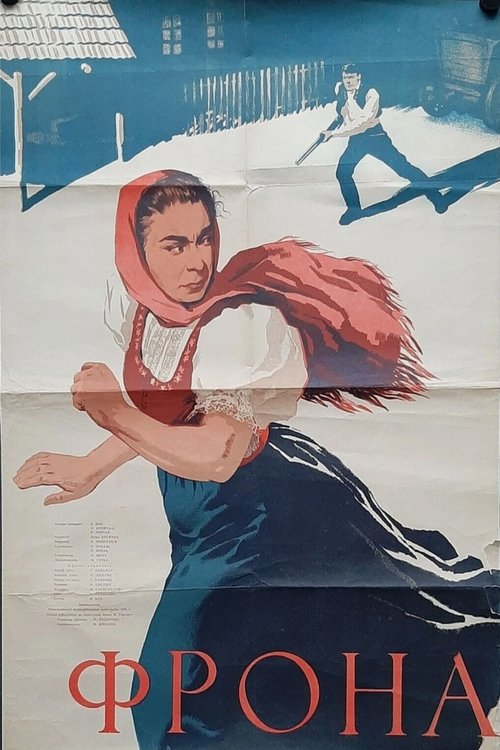
Frona Filípková, out of a desire for a better life, married Floriš Zobač on the land. However, the ownership of the land has affected both her husband and her father-in-law, who, out of hatred, intrigue against the emerging agricultural cooperative and against each other, so Frona looks for a way to free herself.
A drama from the period of village collectivisation in 1947-1948, it depicts the life of former beggars who, after the war and land reform, acquire land and dream of becoming wealthy landlords. New social conditions, the onset of collectivisation, but also the great drought bring with them unwelcome changes.