
Loading titles…
No cast information available.
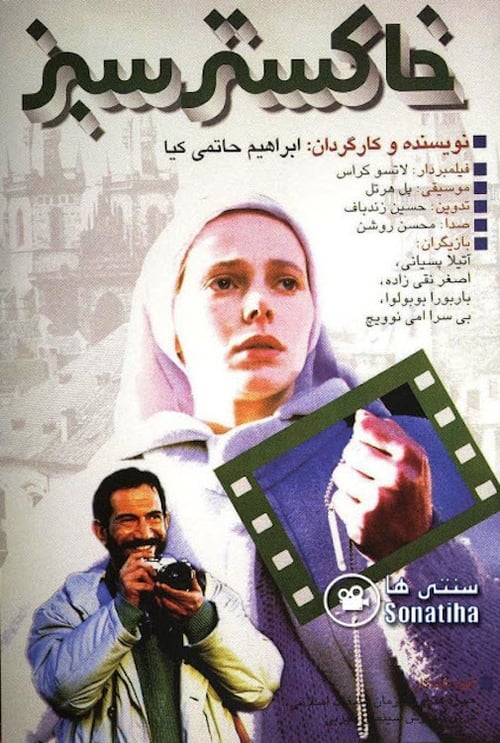


Nearly three years have passed since the "Woman, Life, Freedom" protests in Iran. Many who took part in the 2022 (1401) demonstrations paid a heavy price: some were killed, many were permanently injured, others were sentenced to long prison terms, and many lost their jobs. Among the well-known figures who supported the protests was Taraneh Alidoosti, one of Iran’s most prominent film actresses. After she posted an unveiled photo of herself and later protested the execution of Mohsen Shekari, she was imprisoned. Following her release, she became ill and remained out of the public eye for some time. Alidoosti has also been banned from acting in cinema. For the first time, in the documentary Taraneh, produced by Pegah Ahangarani, Alidoosti speaks about her decision to join the protest movement after the killing of Mahsa Amini. She talks about the day she was arrested at home in front of her little daughter and about the loss of her skin due to an autoimmune disease.
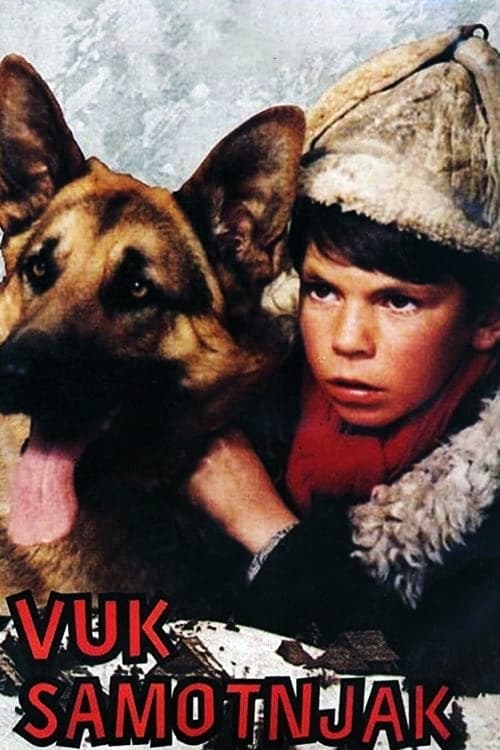
The film follows a young boy named Ranko who discovers a large German Shepherd in the mountains, a remnant of the recent war. After freeing the dog from a trap, Ranko befriends the animal and, based on an inscription on its collar, names him Hund. However, the local villagers mistake the dog for a dangerous wolf, a "lone wolf," and resolve to kill it. Fearing for his new companion's safety, Ranko secretly brings food to Hund in the mountains. In a turn of events, the dog saves Ranko from a real wolf attack. The villagers, convinced that this "lone wolf" is responsible for killing sheep, organize a hunt. In a climactic moment, Ranko manages to save his loyal friend from the hunting party, solidifying their bond.

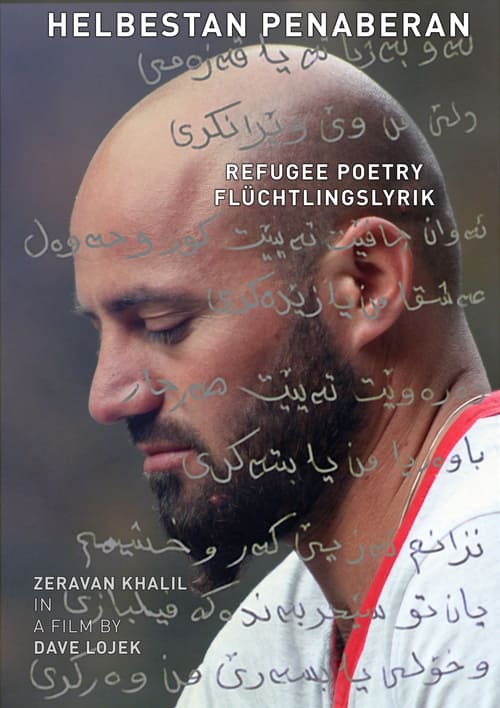
The Kurdish Iraqi poet and actor Zeravan Khalil travels with his dog through an Alpine gorge after fleeing from IS war and genocide. As he remembers the abomination, he writes a poem with the title “You drive me mad” in Kurmanji Kurdish. In his home country, Yazidic Kurds are forbidden to work in his profession. Then he eats his apple and wanders through Europe’s middle with more hope.
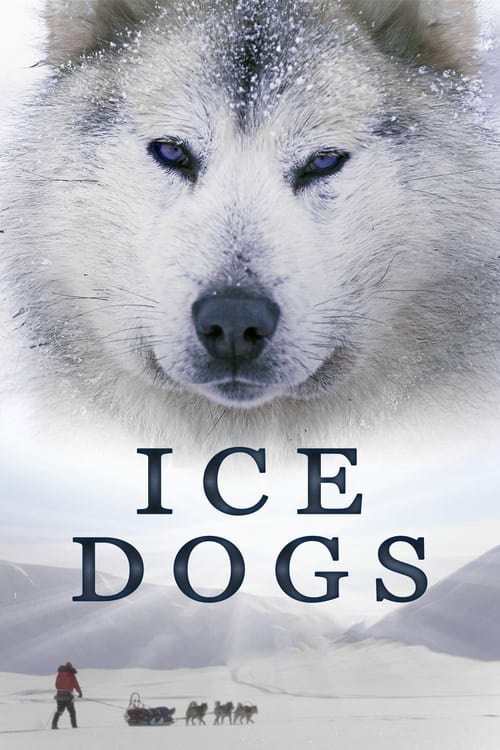
The Arctic is accessible to man only because of ice dogs. As hunters, haulers, and guardians, they have been our vital link to nature for thousands of years. Dogs led the Sarqaq people out of Siberia and, a millennium later, led explorers to the North Pole. As the light returns to Greenland, we arrive in Scoresbysund with a troop of the only companions worth having in this harsh environment.