Loading titles…

Self

Self

Self
Self
Self
Self

Self

Self
Self
Self
Self
Self

Every year, tens of thousands don the Red Suit for families, parties and parades, but only a handful of men have reclaimed the connection to childhood magic by turning the portrayal of Santa into a full-time career. They Wore the Red Suit is a documentary featuring the rare individuals who have devoted their lives to keeping that magic alive in the world by actually being Santa Claus 365 days a year.
102 Years in the Heart of Europe: A Portrait of Ernst Jünger (Swedish: 102 år i hjärtat av Europa) is a Swedish documentary film from 1998 directed by Jesper Wachtmeister. It consists of an interview by the journalist Björn Cederberg with the German writer, philosopher and war veteran Ernst Jünger (1895-1998). Jünger talks about his life, his authorship, his interests and ideas. The actor Mikael Persbrandt reads passages from some of Jünger's works, such as Storm of Steel, The Worker, On the Marble Cliffs and The Glass Bees.
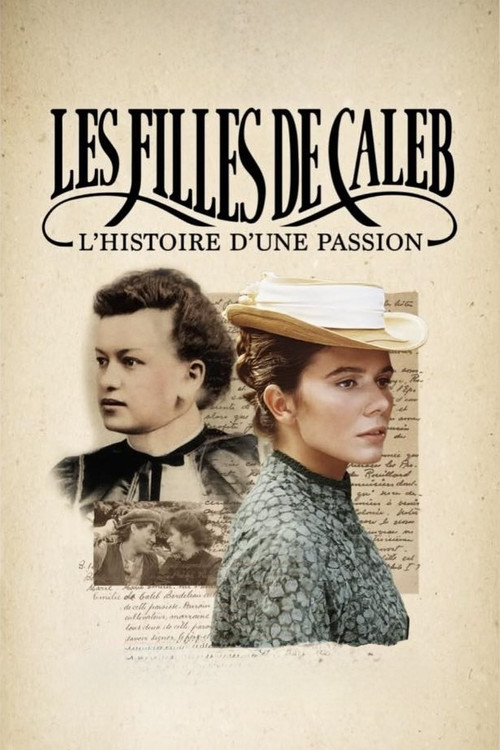
In a brand-new documentary, the actress who portrayed the unforgettable Émilie Bordeleau revisits her memories of filming and analyzes the cultural legacy of this cult saga. By exploring the timeless power of its characters, she testifies to the major impact this work has had on the collective imagination and on the history of Québec television.
This highly controversial documentary, aired as part of the CBS Reports series, ostensibly covers the growing influence of the LGBT community in San Francisco circa 1979. Critics have rebuked the program for its characterization of the sexual practices of gay men, while organizations such as the Moral Majority referenced it in campaigns against gay rights ordinances.
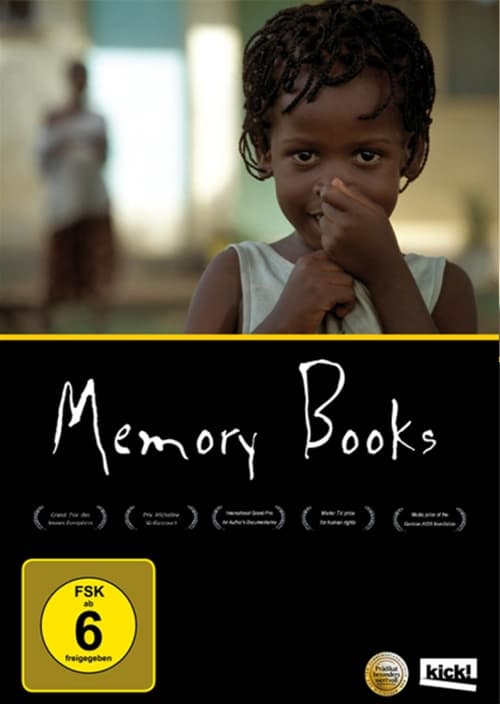
In Uganda, AIDS-infected mothers have begun writing what they call Memory Books for their children. Aware of the illness, it is a way for the family to come to terms with the inevitable death that it faces. Hopelessness and desperation are confronted through the collaborative effort of remembering and recording, a process that inspires unexpected strength and even solace in the face of death.
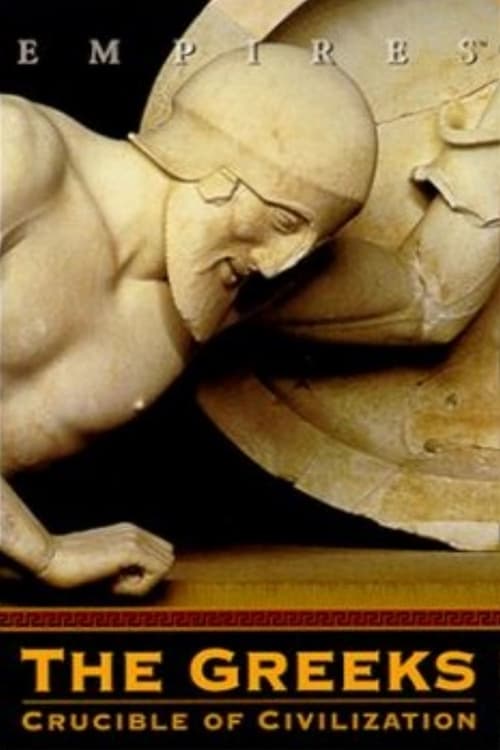
It was perhaps the most spectacular flourishing of imagination and achievement in recorded history. In the Fourth and Fifth Centuries BC, the Greeks built an empire that stretched across the Mediterranean from Asia to Spain. They laid the foundations of modern science, politics, warfare and philosophy, and produced some of the most breathtaking art and architecture the world has ever seen. This series, narrated by Liam Neeson, recounts the rise, glory, demise and legacy of the empire that marked the dawn of Western civilization. The story of this astonishing civilization is told through the lives of heroes of ancient Greece. The latest advances in computer and television technology rebuild the Acropolis, recreate the Battle of Marathon and restore the grandeur of the Academy, where Socrates, Plato and Aristotle forged the foundation of Western thought.
The Art of Dubbing…, a documentary about Hungarian dubbing, was made with the participation of dozens of well-known actors and professionals working in the field. The documentary is a fitting tribute to the legendary Hungarian dubbing actors and actresses and the dubbing profession. The film also talks about the origins, golden age, present and possible future of Hungarian dubbing.