Loading titles…
David
Mary
Samuel
Terrence


Taro, who recently graduated from high school, doesn't know what he wants to do. He rents a house and plot of land in the country-side determined to make a living in agriculture. His expectation is great as the girl he likes, Yoko, will also go with him, but his father, recently laid off by his company's down-sizing, is also tagging along and so begins the the trio's strange life in the country. Set at a solitary house in the middle of the desolate, country-side, the relaxed tempo and off-hand humor are impressive despite the themes of parent-progeny conflict and reconciliation that unfold in the film.
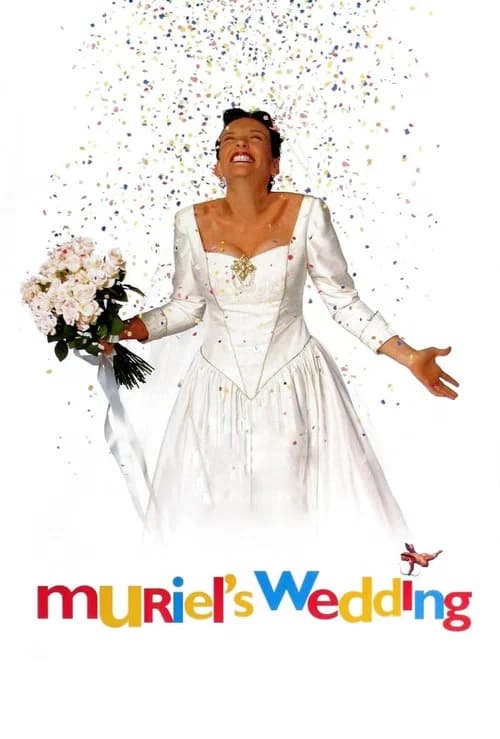
Socially awkward Muriel Heslop wants nothing more than to get married. Unfortunately, due to her oppressive politician father, Muriel has never even been on a date. Ostracized by her more socially adept friends, Muriel runs into fellow outcast Rhonda Epinstalk, and the two move from their small Australian town to the big city of Sydney, where Muriel changes her name and begins the arduous task of redesigning her life to match her fantasies.

Now aged 17, Antoine Doinel works in a factory which makes records. At a music concert, he meets a girl his own age, Colette, and falls in love with her. Later, Antoine goes to extraordinary lengths to please his new girlfriend and her parents, but Colette still only regards him as a casual friend. First segment of “Love at Twenty” (1962).

Derek Vineyard is paroled after serving 3 years in prison for killing two African-American men. Through his brother, Danny Vineyard's narration, we learn that before going to prison, Derek was a skinhead and the leader of a violent white supremacist gang that committed acts of racial crime throughout L.A. and his actions greatly influenced Danny. Reformed and fresh out of prison, Derek severs contact with the gang and becomes determined to keep Danny from going down the same violent path as he did.