Loading titles…
Cast
Cast
Cast
Cast
Cast
Cast
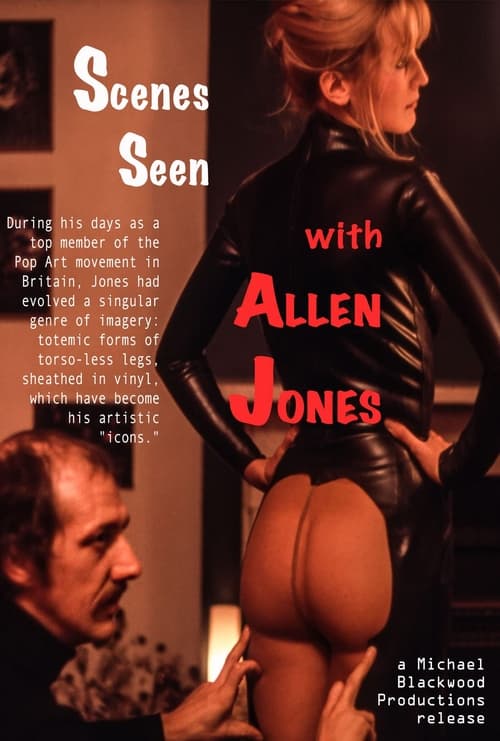
Scenes Seen with Allen Jones explores the motive of the artist's famed graphic works,, paintings and sculptures. The erotic overtones of Jones's work are both controversial and exciting, drawing the public's attention towards a new sector of the avant-garde. Jones is introduced in his London studio, where he is developing an idea for a new painting as he meticulously studies his model. During his days as a top member of the Pop Art movement in Britain, Jones evolved a singular genre of imagery: totemic forms of torso-less legs, sheathed in vinyl, which have become his artistic "signature."
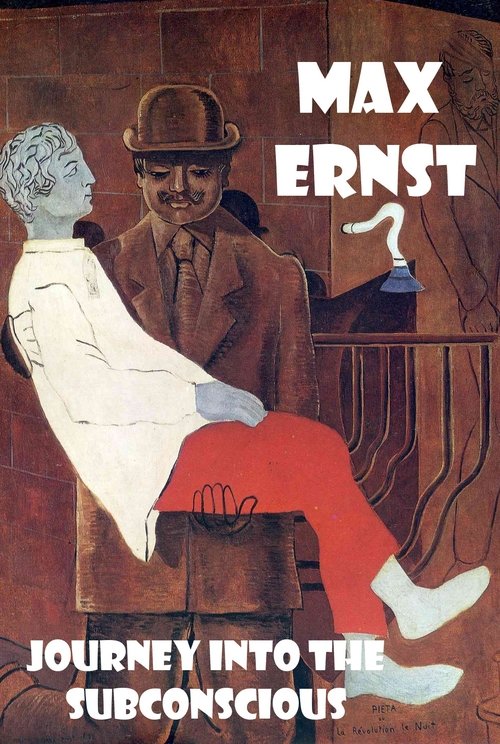
The inner world of the great painter Max Ernst is the subject of this film. One of the principal founders of Surrealism, Max Ernst explores the nature of materials and the emotional significance of shapes to combine with his collages and netherworld canvases. The director and Ernst together use the film creatively as a medium to explain the artist's own development.
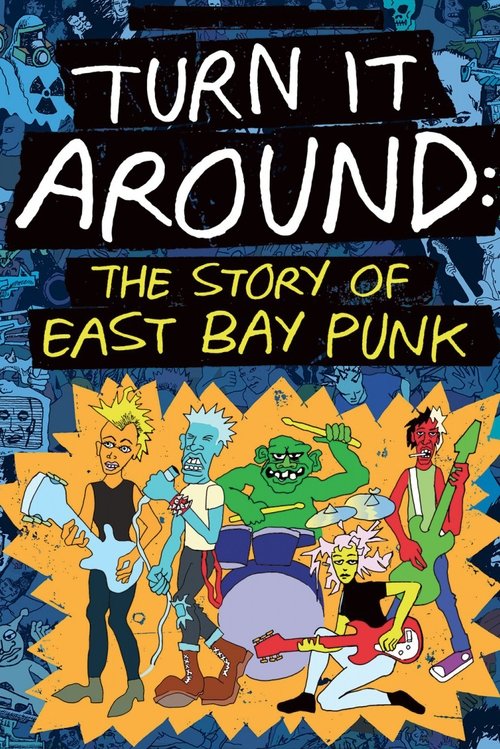
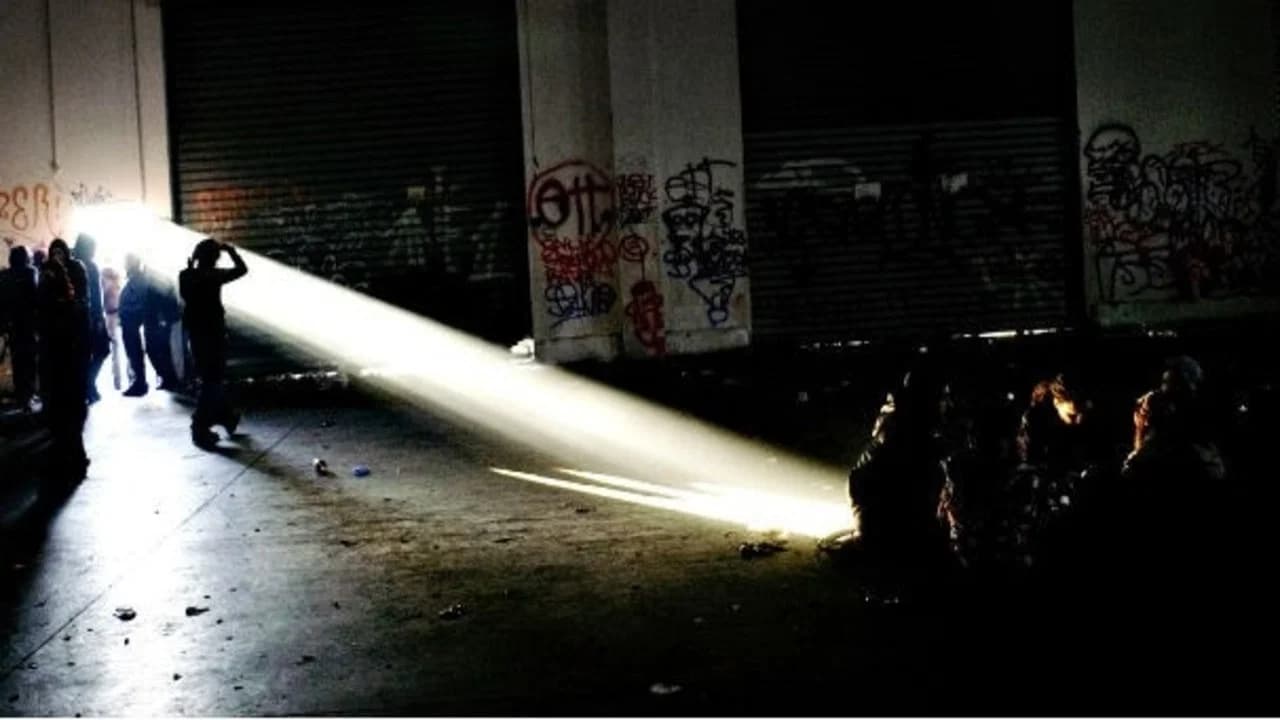
Turn It Around: The Story of East Bay Punk spans over 30 years of the California Bay Area’s punk music history with a central focus on the emergence of the inspiring 924 Gilman Street collective. This diverse group of artists, writers, organizers and musicians created a do-it-yourself petri dish that changed the punk scene... and the world at large.
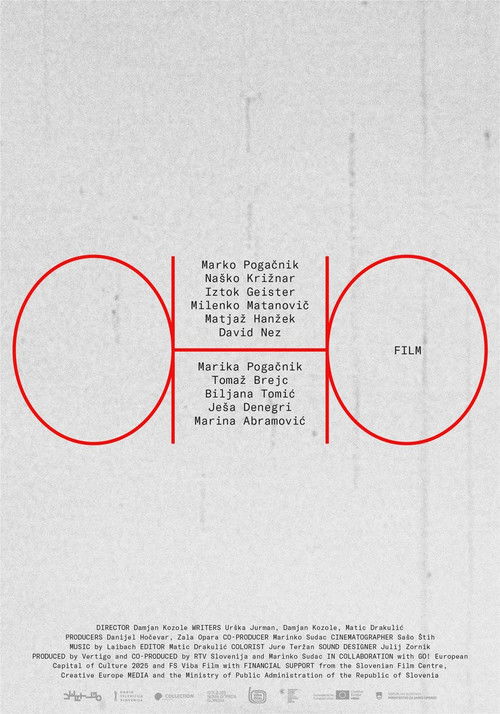
OHO is considered one of the most interesting, complex and important examples of post-war avant-garde art in Central and Eastern Europe. After achieving major success as one of the first from Eastern Europe to exhibit at New York's MoMA, the group disbanded in 1971. OHO was not just an art collective but a unique cultural phenomenon that explored the visible and the immaterial through art, philosophy, sociology, science and coexistence with the earth and nature. Already in the 1960s, the group was raising relevant questions about anthropocentrism, ecology and the economics of the art. This documentary about OHO by Damjan Kozole is rich in never-before-seen archival material and, for the first time, comprehensively presents this inspiring phenomenon of intertwining art and life. - Slovenian Film Database
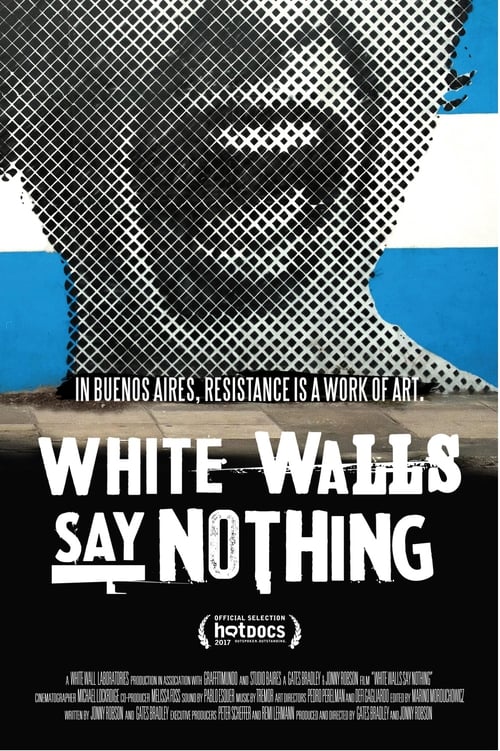
Buenos Aires is a complex, chaotic city. It has European style and a Latin American heart. It has oscillated between dictatorship and democracy for over a century, and its citizens have faced brutal oppression and economic disaster. Throughout all this, successive generations of activists and artists have taken to the streets of this city to express themselves through art. This has given the walls a powerful and symbolic role: they have become the city’s voice. This tradition of expression in public space, of art and activism interweaving, has made the streets of Buenos Aires into a riot of colour and communication, giving the world a lesson in how to make resistance beautiful.
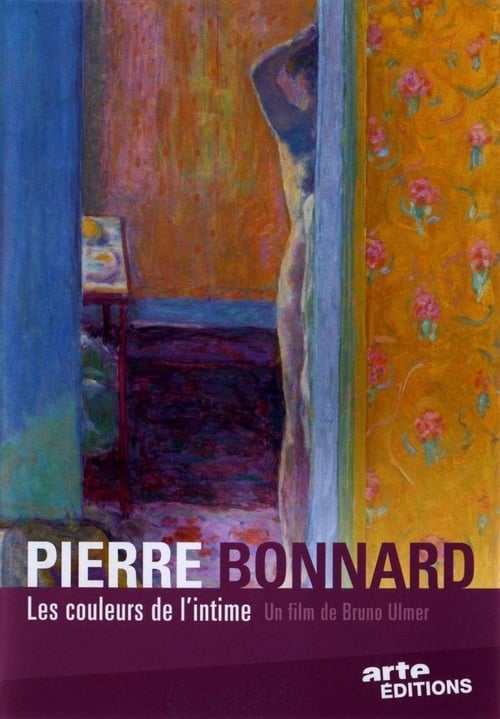
How did Bonnard, one of the great masters of 20th-century painting, a secretive, anxious man with an ordinary everyday life, become this undisputed painter of intimacy, capable of transforming reality into a unique and incandescent world? Through his paintings, but also his private journals, his correspondence with Matisse and Vuillard, the photographs he loved, and the places where he lived, the film immerses us in the world of this master of color.
In the early 1970s, rubber was still king in Akron, Ohio. But just a few short years later, Akron's most important product was, ever so briefly, music. In the mid-1970s, a group of local bands took over an old rubber workers' hang-out in downtown Akron called The Crypt and created a mix of punk and art rock that came to be known as "the Akron Sound." And for a while, it was almost "the next big thing." Almost. It's Everything, and Then It's Gone, a Western Reserve PBS production written and directed by Phil Hoffman., takes viewers back to a time when the music really did mean everything. And for the men and women in these local bands, it was a way out of the factory.