


Loading titles…

كمال

د. عادل

شكري - رئيس النيابة
روقة

أصيلة أم الأولاد

ليلى

الحاج عبدالتواب

فؤاد بك - التاجر الكبير
تاجر مخدرات بالنيابة

مجدي

تاجر مخدرات بالنيابة
المعلم هوبري

The film is an adaptation of a novel by Ismåeel Walieddin. The main character, Ahmad, leaves rural eastern Egypt for the city hoping to become economically self-sufficient, gets an apartment for his parents, and obtains a law degree. He and his family are refugees from a town occupied by the Israeli army, Ismaåilia. Ali, the owner of the Malatily Bathhouse, offers to let him stay there for free. Ahmad encounters several characters there, including Naåeema, a prostitute who he becomes obsessed with, and Raouf, a homosexual man.


Mansoor, a 16 year-old teenager, living in a coastal "freej" (an Emirati neighborhood), has strong feelings for 16 year-old girl Kaltham. But culture and tradition, as well as family hardship, make it difficult for him to express his feelings. A conversation with his "know-it-all" friend convinces him that a gift is the best way to express love, and so, he begins to look for ways to save money for the gift without arousing the suspicion of his family and friends.
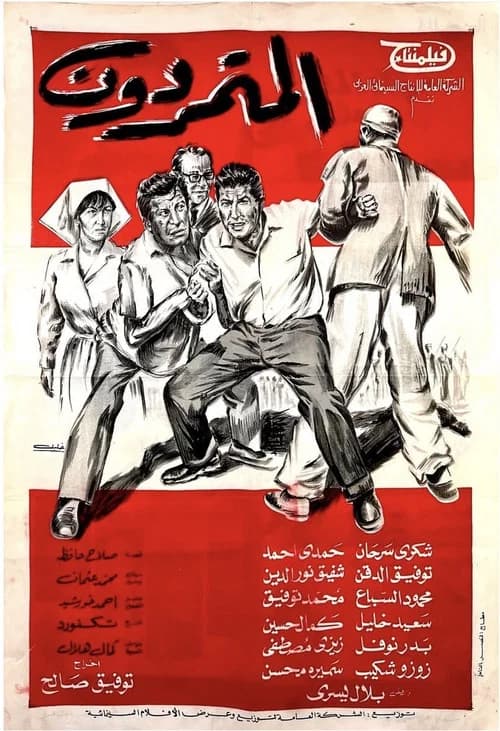
A sick doctor is admitted to an isolated sanatorium located in the middle of a desolate desert. As a patient, he becomes aware of the discrepancy that exists between the conditions of the privileged patients, who are well-treated, and the poor ones, who particularly suffer from a lack of water. With the help of the doctor, the poor patients rebel and undertake to restore justice and order in the hospital.
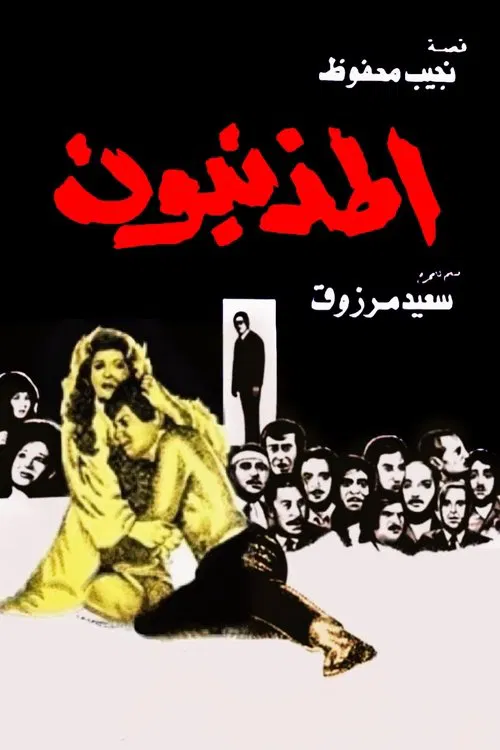
Actress Sanaa Kamel is found murdered on her bed, and an investigation starts, taking into account everyone of the guests she hosted at her apartment the night she was killed: her jealous fiancé, a school instructor, a corrupt market manager, one of Sanaa's friends who works as a contractor, and a stud who was Sanaa's secret lover. As the investigation progresses, all the conclusions about the characters are always under question.


Everyone in his village believes that Zein is a simpleton, a half-wit, an amiable buffoon. Thus, his braying laughter and public declarations of love for village maidens only win laughter rather than anger, beatings or worse. However, Haneen, a wandering Muslim holy man, perceives something more in this figure of fun: genuine piety and an inner radiance, marked by a powerful spiritual intelligence. One other person sees more in Zein than most do- the beautiful, pious and sedate young girl in the village.


