Loading titles…
No cast information available.
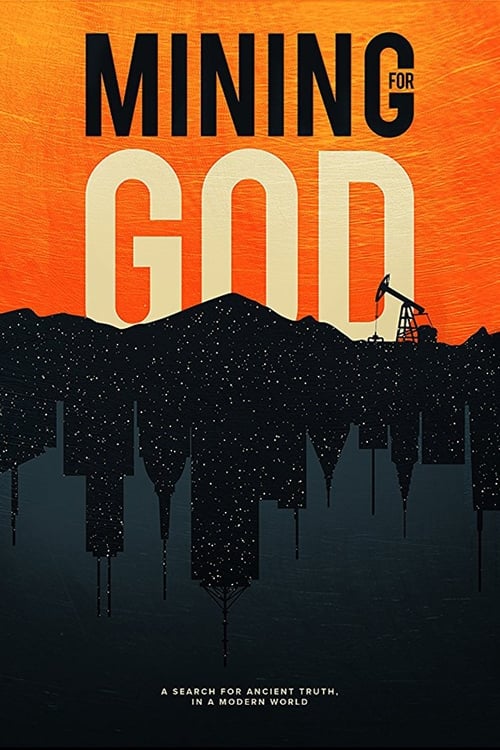
America has long been called a Christian nation. In fact, over 70% of adults in America identify themselves as Christian. Yet when filmmaker Brandon McGuire heads to the streets to ask a few clarifying questions about how Christianity is defined within our culture, he is shocked by the answers he finds. This provocative documentary takes us deep within the American mind and brings to the surface the big ideas that have influenced the way we think about ourselves and about God.

Why would two New York-based filmmakers dedicate five years of their lives to following three white, Jesus-loving, spandex-clad men from the Bible Belt, particularly when the world of documentary filmmaking has generated its fair share of films concerning sensationalistic religious expression and contact sports in recent years? Because it's not about wrestling, and it's not about Jesus. Against a bizarre and entertaining backdrop, and through a motley cast of characters, we are reminded of what connects us all, lest we forget what it means to be human.
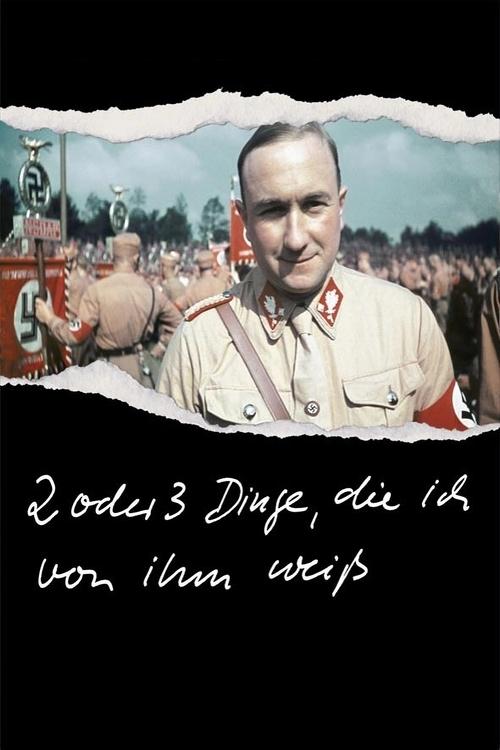
What would your family reminiscences about dad sound like if he had been an early supporter of Hitler’s, a leader of the notorious SA and the Third Reich’s minister in charge of Slovakia, including its Final Solution? Executed as a war criminal in 1947, Hanns Ludin left behind a grieving widow and six young children, the youngest of whom became a filmmaker. It's a fascinating, maddening, sometimes even humorous look at what the director calls "a typical German story." (Film Forum)
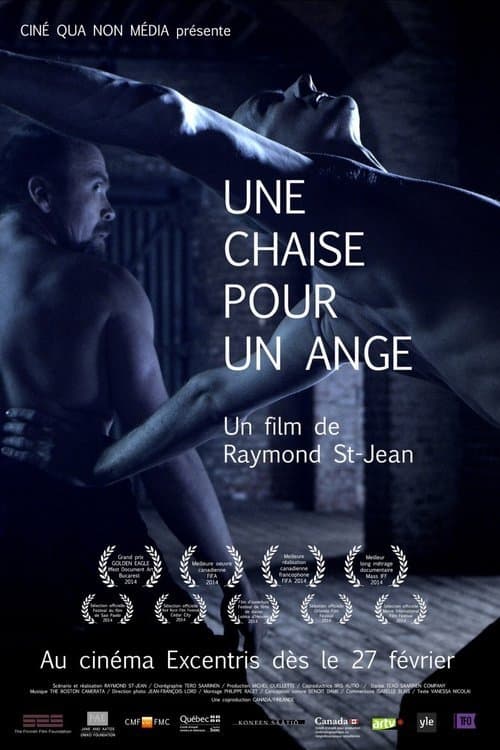
For two hundred years, the Shakers have been America's most successful utopian society. While seeking harmony, order and perfection in every aspect of their lives, they built minimalistic furniture and buildings that influenced modern design. The Shakers wrote songs of exquisite beauty and danced to the point of ecstasy during their religious meetings. Inspired by this music and dance, choreographer Tero Saarinen created Borrowed Light, a dance piece about communal life and individual sacrifice. Shot in Finland and the United States, featuring interviews and excerpts from Borrowed Light, this documentary explore the cultural legacy of this religious group devoted to creating heaven on earth.
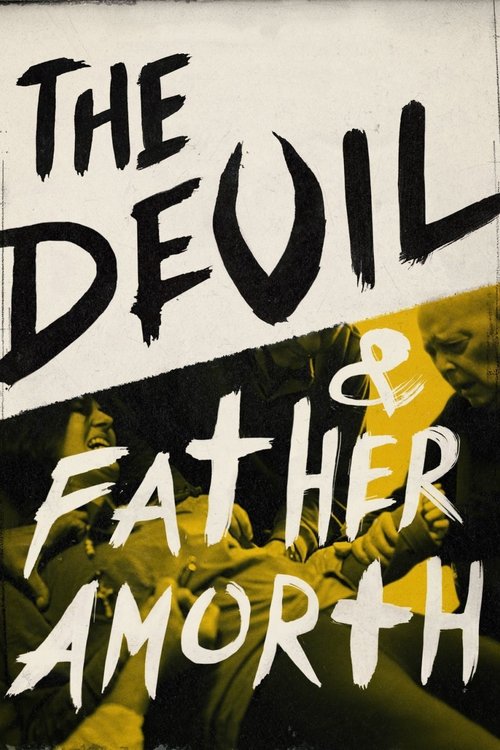
William Friedkin attends an exorcism with Father Gabriele Amorth, as he treats an Italian woman named Cristina for the ninth time. Prior to filming, Cristina had purportedly been experiencing behavioural changes and “fits” that could not be explained by psychiatry, and which became worse during Christian holidays.

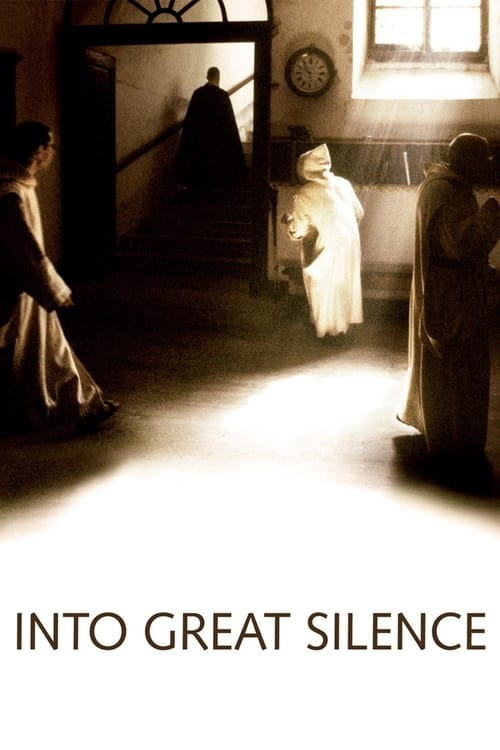
An intimate portrayal of the everyday lives of Carthusian monks of the Grande Chartreuse, high in the French Alps (Chartreuse Mountains). The idea for the film was proposed to the monks in 1984, but the Carthusians said they wanted time to think about it. The Carthusians finally contacted Gröning 16 years later to say they were now willing to permit Gröning to shoot the movie, if he was still interested.
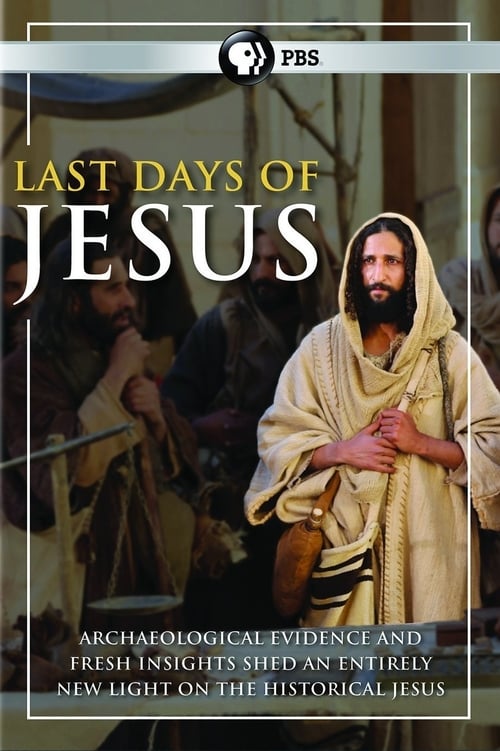
For almost two thousand years, the story of Jesus’ final days has been celebrated by Christians the world over. From Jesus’ triumphant entry into Jerusalem, through to his eventual crucifixion six days later, the key moments have been immortalized in countless films, pieces of music, and works of art. But in recent years, some historians have begun to question inconsistencies in the Gospels’ version of events. They believe that the Gospels could hide a very different story; one that casts the historical Jesus in an entirely new light. Based on a new interpretation of contemporary historical events in Rome, "Last Days of Jesus" peels back thousands of years of tradition, to explore a new political context to the events in Jerusalem. "Last Days of Jesus" explores how dramatic political events in Rome could have played a crucial role in shaping Jesus’ destiny, and examines an extraordinary political alliance that altered the course of history.