

Loading titles…
No cast information available.


A half-hour fictional documentary film that, through the fates of different people, tries to illuminate the phenomenon of the YUGO car, a cute outsider of small capacities but big ambitions, in the period between 1980 and 2008, when it was manufactured. The film combines statements from authentic workers that were involved in the production of Yugo, archives, along with the reconstruction of different fragments from the Yugo's history which portray him both as a family and a thug's car, as a part of the great American Dream, or as a symbol of betrayed expectations. This film is a small 'commemorative' review of the history of an automobile that for a long time symbolized, in a jocular and veritable way, sometimes even by accident, the times in which he was manufactured.

Between 2007 and 2011, 725 Quebecers aged 16 to 24 were killed in car accidents. Excessive speed and alcohol were involved in half of these deaths. To try to understand what is going on in these young drivers' heads when they get behind the wheel, host and documentary filmmaker Paul Arcand met with some of them. On one hand, he gives a voice to these young people who love driving fast. On the other hand, he provides a forum for two accident victims who were injured both physically and psychologically. Finally, the director meets the mother of little Bianca Leduc, who was killed by a drunk driver while she was in the care of her babysitter, and the parents of Michael Borduas, 23, who is severely disabled from an accident.
Winnipeg, like most North American cities, has been shaped by the automobile. City planners designed the urban environment around the idea of mobility, and the social and work life of the population followed. The car became a necessity rather than a luxury; our environment demanded that we drive. So what does it mean, living in a car-based society, to make a conscious choice not to drive? In this new film, a number of Winnipeggers speak of this choice and the effect it has had on their lives. From mothers with young children to social activists, from artists to human rights workers, they share their reasons for choosing not to drive and the practical consequences in terms of work and social relationships.

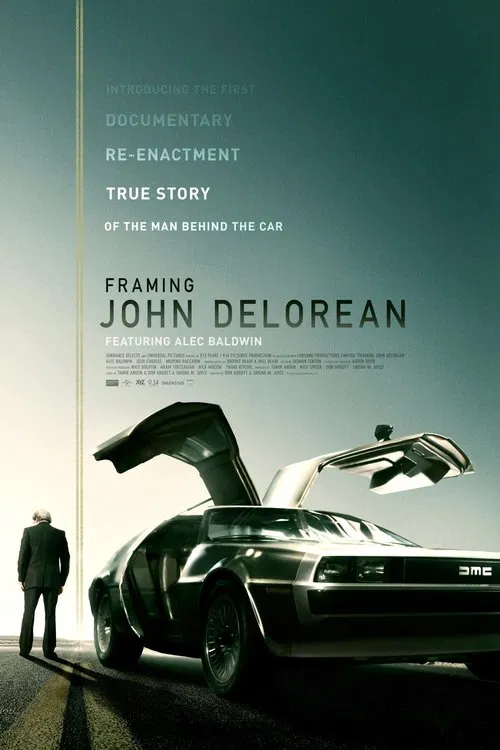

Former General Motors high-flyer John DeLorean had a plan to build a stylish European sports car, at a price that would make it attractive to the American market. The site he chose for his state-of-the-art factory was on the outskirts of Belfast, a city best-known for sectarian violence and high levels of unemployment. The unexpected marriage of high-tech glamour with the gritty reality of 1970s Northern Ireland captured the public's imagination but this early optimism would end in failure. Although the cars looked great, the windows leaked and the engines seized; as his financial problems mounted the maverick DeLorean faced charges of drugs trafficking. Adrian Dunbar narrates the story.
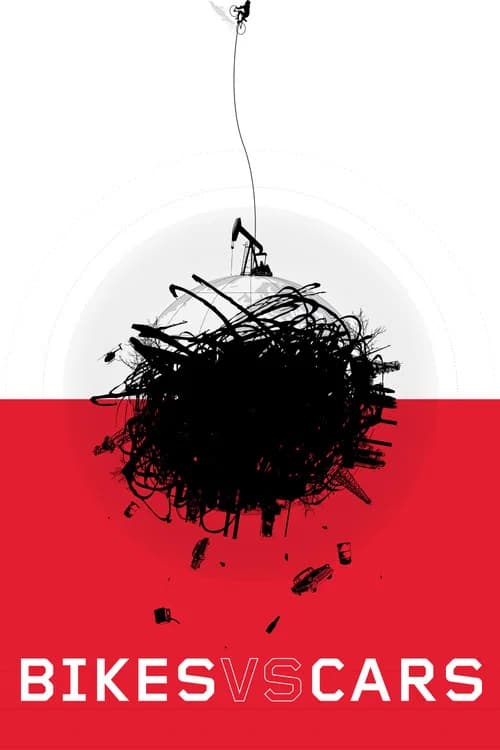
Bikes vs Cars depicts a global crisis that we all deep down know we need to talk about: Climate, earth's resources, cities where the entire surface is consumed by the car. An ever-growing, dirty, noisy traffic chaos. The bike is a great tool for change, but the powerful interests who gain from the private car invest billions each year on lobbying and advertising to protect their business. In the film we meet activists and thinkers who are fighting for better cities, who refuse to stop riding despite the increasing number killed in traffic.
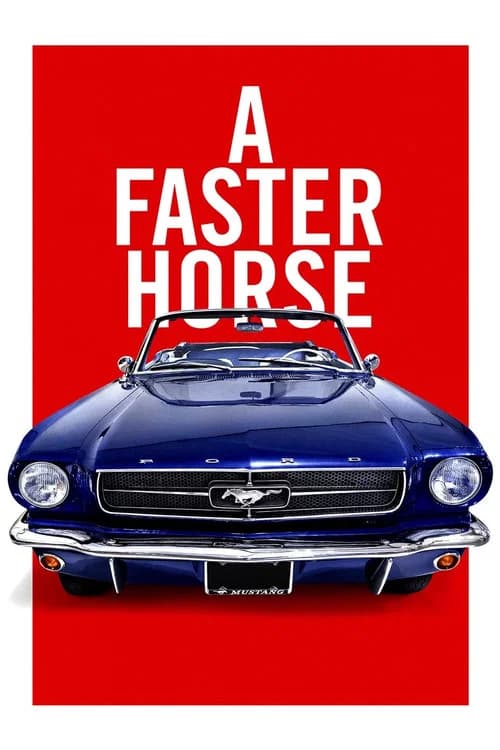
David Gelb (Jiro Dreams of Sushi) tackles another venerable, beloved, and long-standing institution: the Mustang, crown jewel of the Ford fleet. Only this institution is in turmoil. As the fiftieth anniversary of the Mustang approaches and the car industry struggles through the deepest trough of the financial crisis, Ford launches a redesign. Now the jobs of workers at Ford’s Flat Rock Assembly Plant, the expectations of the thousands of Mustang devotees, and the livelihood of the city of Detroit are all placed squarely on the shoulders of Dave Pericak. As chief program engineer, he will guide the 2015 Mustang from assembly floor to showroom—if only he can get that vibration out of the steering wheel.