
Loading titles…

Herself


Chicago blues great Buddy Guy never was the same after he heard John Lee Hooker’s seminal “Boogie Chillun’” while growing up in his rural stomping grounds of Lettswork, Louisiana. In 1957 he set out for the Windy City and its vibrant blues scene, where he played his way into the clubs, cut records, befriended and gigged with other greats (Muddy Waters, Howlin’ Wolf, Otis Rush), forged his skillful, intense, wild persona, hit the road, influenced new generations of musicians (Mick, Keith, Eric, Stevie Ray Vaughan), performed at the Obama White House and collected nine Grammys along the way. Supported by a sumptuous assemblage of performance footage, testimonials from those he’s inspired (including Clapton, Carlos Santana, Gary Clark Jr., and John Mayer) and some classic blues licks, Buddy Guy: The Blues Chase the Blues Away finds Guy (now a young 84) looking back at his life, providing valuable insight into his music while leaving room for some memorable anecdotes.

The 1920s saw a revolution in technology, the advent of the recording industry, that created the first class of African-American women to sing their way to fame and fortune. Blues divas such as Bessie Smith, Ma Rainey, and Alberta Hunter created and promoted a working-class vision of blues life that provided an alternative to the Victorian gentility of middle-class manners. In their lives and music, blues women presented themselves as strong, independent women who lived hard lives and were unapologetic about their unconventional choices in clothes, recreational activities, and bed partners. Blues singers disseminated a Black feminism that celebrated emotional resilience and sexual pleasure, no matter the source.

Blues Story presents an impressionistic history of one of the most lasting art forms America has ever produced - as told for the first time through the eyes of the artists who lived it. Combining exclusive interview and performance footage with vintage clips and the music of many Blues legends long gone, the history of this richly felt music is illuminated - from its African roots to its American urban expression - along with its profound place in our cultural heritage. The result is a rare, first-hand glimpse into the lives of these vanishing artists, and a moving, insightful and informative look into a music that continues to be loved by millions throughout the world.


The never-before-told story of folk-rock icon Judee Sill, who in just two years went from living in a car to appearing on the cover of Rolling Stone. The documentary charts her troubled adolescence through her meteoric rise in the music world and early tragic death. Featuring Linda Ronstadt, Jackson Browne, David Crosby, Graham Nash, Fleet Foxes, David Geffen, and more.
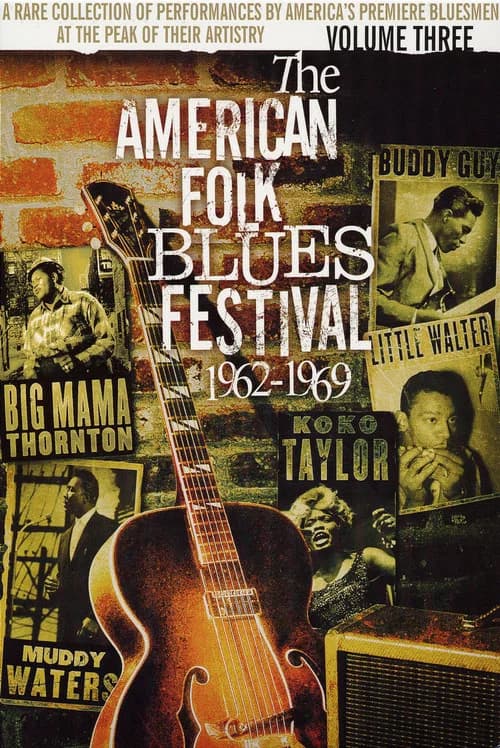
Taken from the European tours organised for American blues musicians between 1962 and 1969, this release features performances by several popular blues artists, including: Big Mama Thornton, Roosevelt Sykes, Buddy Guy, Dr. Isaiah Ross, Big Joe Turner, Skip James, Bukka White, Son House, Hound Dog Taylor and Little Walter, Koko Taylor and Little Walter, Sonny Terry and Brownie McGhee, Helen Humes, Earl Hooker, and Muddy Waters.

Arguably second only to Muddy Waters among the Mississippi Delta singers who traveled north and pioneered urban electric blues (their supposed rivalry is the subject of one of this DVD's bonus features), Wolf was a big, imposing man with an inimitable, booming voice and a lasting influence on generations of rock & rollers--all of which comes across in the 90-minute film.
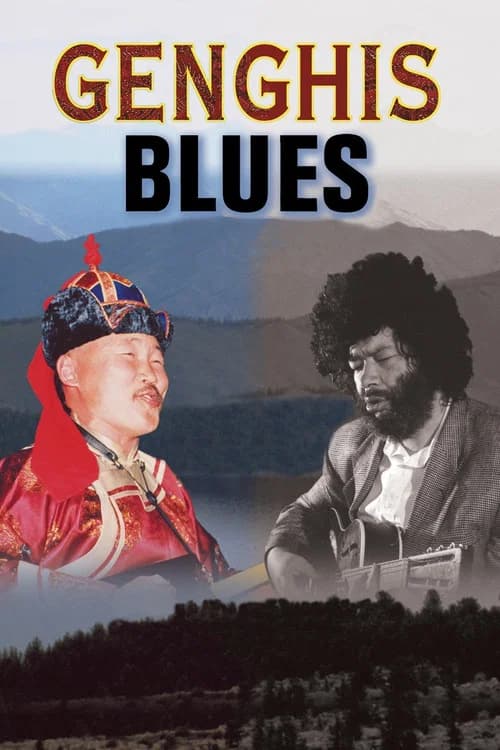
Blind blues musician Paul Pena is perhaps best known for his song "Jet Airliner". In 1993, Pena heard Tuvan throat singing over his shortwave radio and subsequently taught himself how to reproduce these extraordinary sounds. This documentary follows him to Tuva, where he takes part in a throat singing competition. Languages featured in the film include English, Russian and Tuvan.

A feature length documentary about extraordinary Canadian singer songwriter, Ron Hynes... an insightful and entertaining exploration of the creative process, the genesis of song, the meaning of performance and the vulnerability of an artist compelled to bare his soul through his music. The film is comprised of Ron performing his music (distinct and live for the camera), interwoven with very intimate black box 'interviews' with Ron (shot tightly and directly addressed to the camera), in which he discusses the songs and the life that informed them: late nights, dark alleys, marriage, children, divorce, his near death and recovery from drug addiction... and punctuated with back stage moments, insight from the street, and Ron's nephew author Joel Thomas Hynes, taking the role of 'chorus of the people'.


