Loading titles…
herself
herself
himself
herself
herself
himself
himself
himself

María is an Amorúa girl; an indigenous group that traveled the savannas of Orinoquía as nomads. She lives with her grandmother Matilde, her sister diana and her cousins in Puerto Carreño, in the Colombia-Venezuela border. The amorúa are considered wild and are not literate. Matilde wants her granddaughters to learn to write and read to live better in this town of "rational whites" as they call us. The director follows María's life for 8 years from her childhood to her adolescence and invites her to travel the places her grandma did as a nomad.


In 1975, Ryszard Kapuściński, a veteran Polish journalist, embarked on a seemingly suicidal road trip into the heart of the Angola's civil war. There, he witnessed once again the dirty reality of war and discovered a sense of helplessness previously unknown to him. Angola changed him forever: it was a reporter who left Poland, but it was a writer who returned…
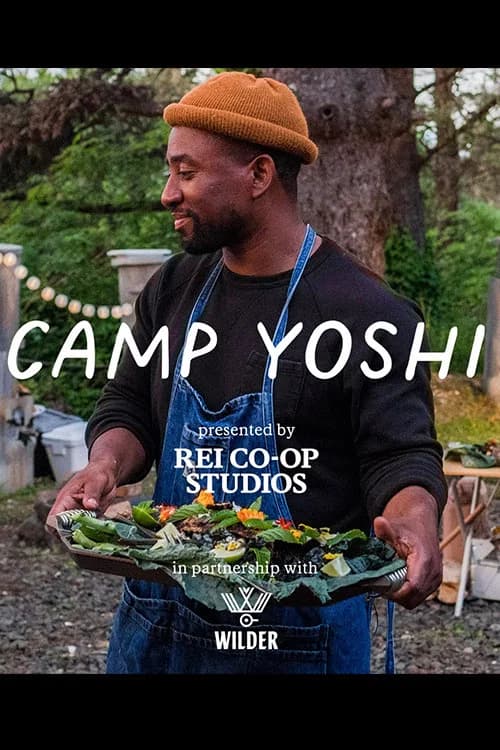
After moving to Oregon and falling in love with the ability to explore the outdoors with ease with his wife and two kids, Rashad Frazier knew he had to extend the invitation to others. Driven by the magic of his experiences, his background as a chef, and his love of good food and connecting people to incredible places that open up to conversation, he created Camp Yoshi, which curates custom outdoor adventures centered around shared meals and shared experience with the goal of creating a space for Black people and allies to unplug and in turn reconnect with the wilderness. By virtue of being in these places, Camp Yoshi's trips transform historically segregated spaces into safe havens for the community, conversation, and nourishment.
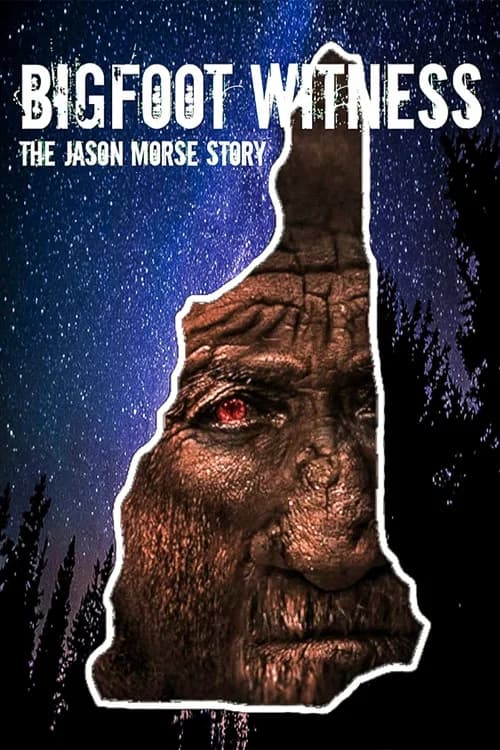
While out walking his dog, Jason Morse had a visual sighting of a large bipedal creature in the New Hampshire forest. That day changed his life forever and launched him into a world of Bigfoot investigating. Having seen the brute first hand, Jason is determined to find more evidence of Bigfoot. His quest has led him from Pawtuckaway state park to the rugged mountains of eastern Kentucky. Some call it a myth, some call it a legend but for those who have seen it, it is a reality they can’t deny.
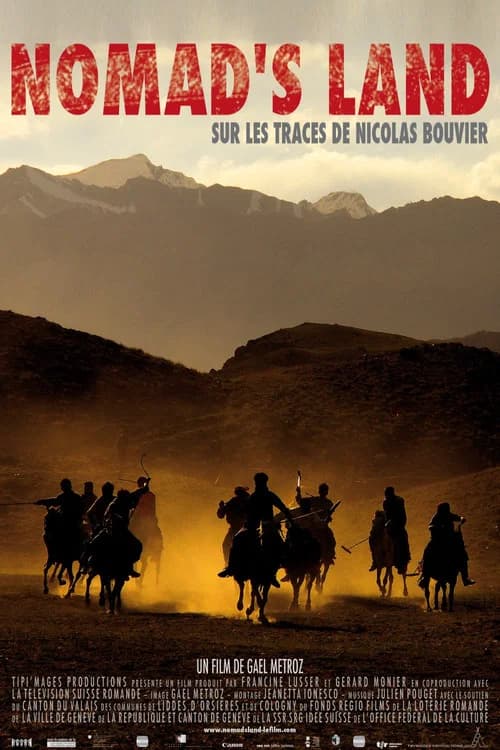
The young director, Gael Metroz, takes the road alone, camera in hand, in the footsteps of Nicolas Bouvier. He discovers that the East is no longer the almost carefree land of the Fifties recounted in l'Usage du Monde: Iran in crises, Pakistan shaken by tribal violence's, Taliban, civil war in Sri Lanka. This world, Bouvier had the usage, seem to have disappeared under the veil of time. Disappointed the director leaves the main road traced by the famous Topolino and continues on the small path with the nomads. In creating his own route, Gael Metroz reveals the writer's philosophy of travel.
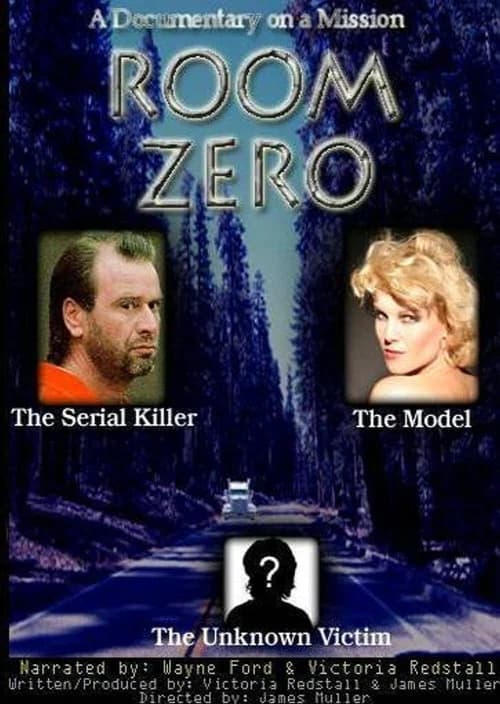
Wayne Adam Ford is a convicted serial killer on Death Row. Victoria Redstall is a model who trained to be a cop. Together, and against all odds, Ford and Redstall take us on a roadtrip into the mind of a serial killer and attempt to find the identity of his first victim. All that remained of her was a dismembered torso.
In 1794, French revolutionary Maximilien Robespierre produced the world's first defense of "state terror" - claiming that the road to virtue lay through political violence. This film combines drama, archive and documentary interviews to examine Robespierre's year in charge of the Committee Of Public Safety - the powerful state machine at the heart of Revolutionary France. Contesting Robespierre's legacy is Slavoj Zizek, who argues that terror in the cause of virtue is justifiable, and Simon Schama, who believes the road from Robespierre ran straight to the gulag and the 20th-century concentration camp. The drama, based on original sources, follows the life-and-death politics of the Committee during "Year Two" of the new Republic.