Ferry Heijne
Ferry Heijne
Cast
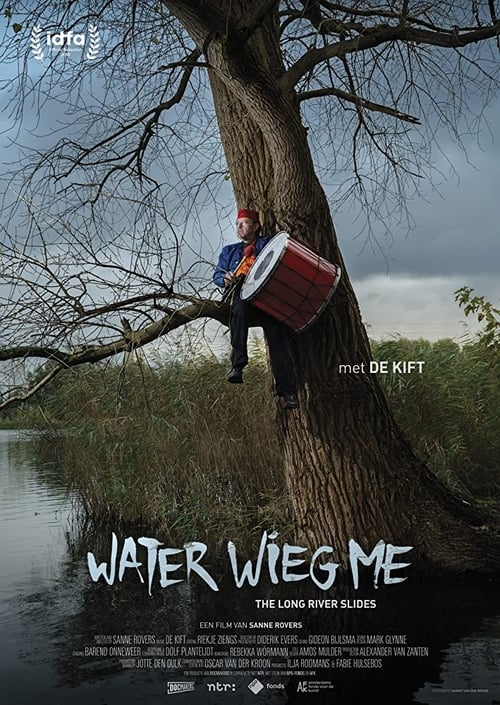
The Long River Slides is a musical ode to sadness. 'De Kift' frontman Ferry Heijne sets sail and meets people willing to share their stories with him. The poetic brass band punk provides comfort along the waterfront.
Cast
Cast
It's 30 years since Manchester four-piece The Smiths changed the face of British pop with their debut single Hand In Glove. In this half-hour Culture Show special, fellow Mancunian and lifelong fan Tim Samuels sets out to find out why The Smiths have such a special place in the hearts of a generation of Brits. The Smiths were only around for five years in the mid-eighties, but to this day the sentiment their music evokes is strong. Samuels pays visits to a variety of dedicated fans including fashion designer Wayne Hemingway, poet Simon Armitage, Labour MP Kerry McCarthy and Oasis songwriter Noel Gallagher to analyse the look, the lyrics, the issues and the riffs that made The Smiths Britain's first, and arguably best ever, indie rock band.

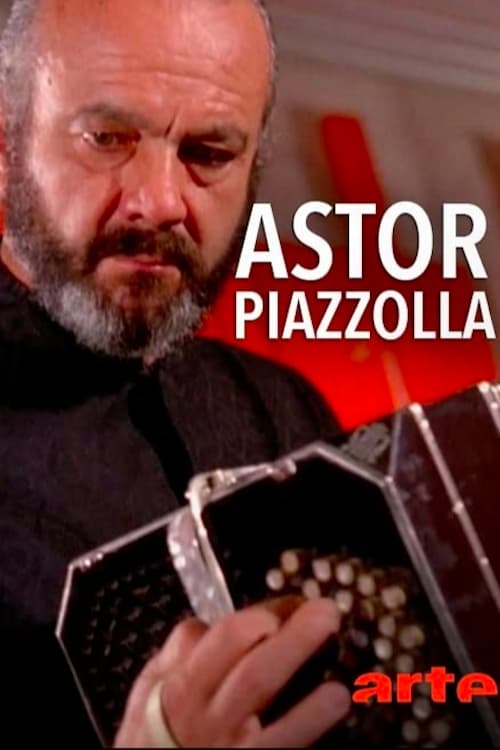
Astor Piazzolla revolutionized the tango. By breaking with the codes of traditional tango, he brought this popular Argentine music from dance floors to concert halls around the world and is now recognized as a major composer of the 20th century. From numerous unpublished private archives, the voices of Astor and his children paint a unique portrait of this complex man.
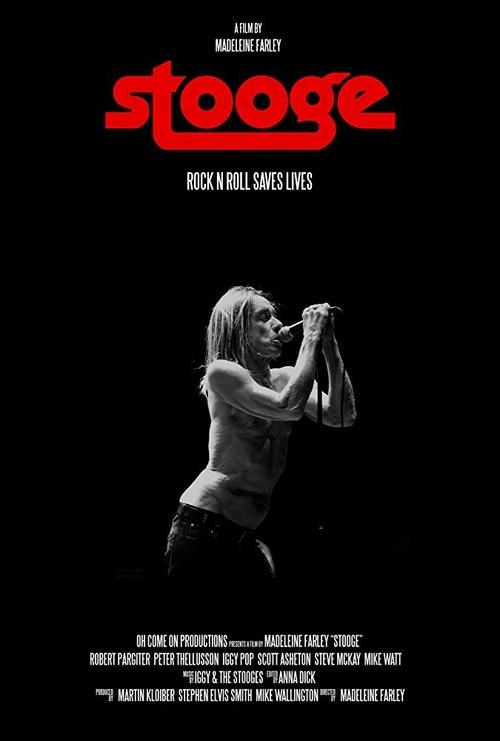
Stooge is a feature documentary about Robert Pargiter, Iggy Pop's No1 fan. It covers the three years leading up to his 50th birthday when he tries to track his hero down in a final absolution. His journey has taken him all over the world in search of redemption after years of struggling with addiction, of coping with depression, and of celebrating the communal lust that is Rock'n Roll.

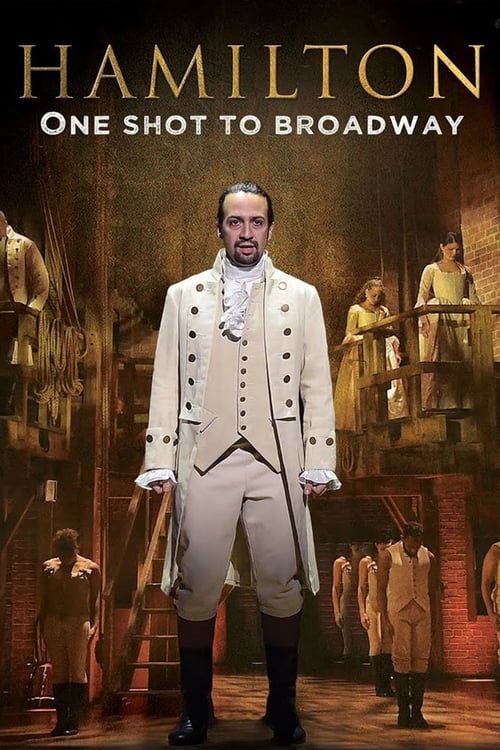
It’s the hit musical that changed Broadway forever and brought the genius of Lin Manuel Miranda to the attention of legions of fans across the world. A story of how a group of mavericks made an unlikely marriage of hip-hop and history to create the biggest show in America…and are getting ready to conquer the world. Featuring interviews with Miranda, as well as the cast and crew of Hamilton.
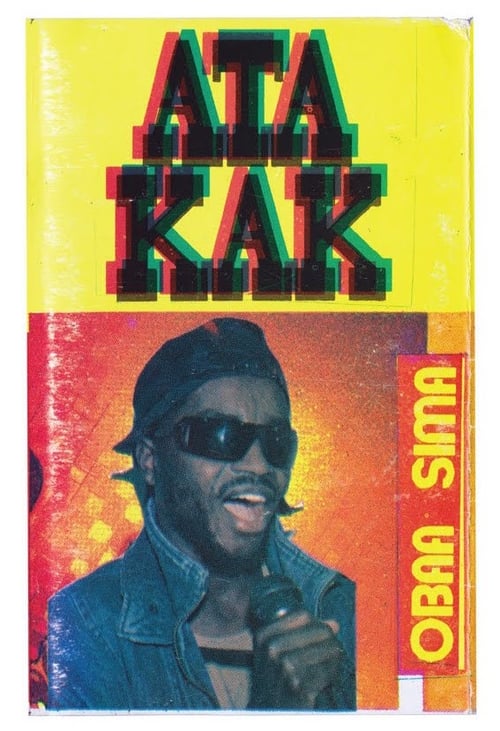
After Awesome Tapes From Africa's Brian Shimkovitz found the energetic, ecstatic music of Ghanaian musician Ata Kak, the tunes became beloved around the world. It was all unbeknownst to the artist himself -- his music was even unknown to those living in his hometown in Ghana. Years of tireless searching ensued, and eventually the Los Angeles-based label owner found a lead. Ata Kak - Time Bomb follows the search that Shimkovitz undertook as well as the visit to Ghana that took place once he found him. It is a celebration of great tunes and how, when it hits the right audience at the right time, music can touch people in a way that you never imagined.
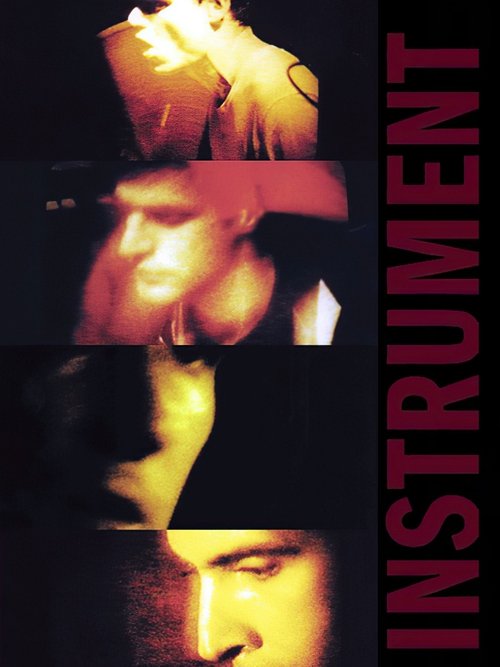
The band Fugazi is documented over a period of more than ten years (1987-1998) through performance footage and interviews with the band and their fans. Director Jem Cohen's relationship with band member Ian MacKaye extends back to the 1970s when the two met in high school in Washington, D.C.. The film takes its title from the Fugazi song of the same name, from their 1993 album, In on the Kill Taker. Editing of the film was done by both Cohen and the members of the band over the course of five years. It was shot from 1987 through 1998 on super 8, 16mm and video and is composed mainly of footage of concerts, interviews with the band members, practices, tours and time spent in the studio recording their 1995 album, Red Medicine. The film also includes portraits of fans as well as interviews with them at various Fugazi shows around the United States throughout the years.
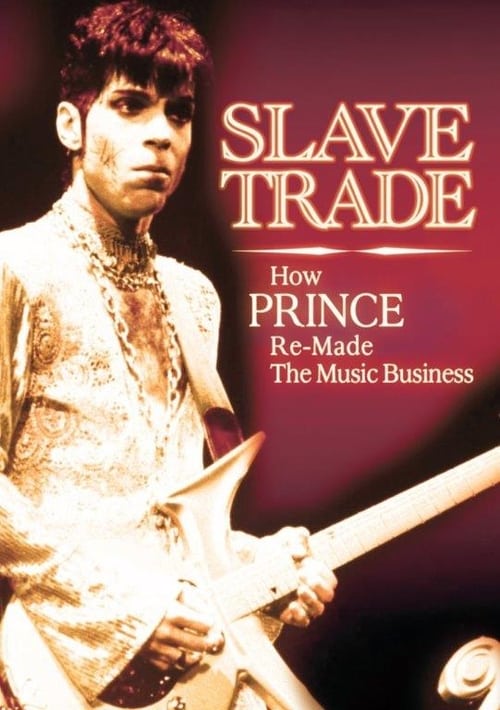
In the mid-1990s reports emerged that Prince had fallen into dispute with his record company. Having signed what was ostensibly a new, 100 million dollar contract just a couple of years before, Prince was now demanding - not unreasonably to most commentators - control of his masters and the freedom to release what he wanted when he wanted. After a bitter war of words, during which the star scrawled Slave across his cheek whenever he appeared in public and routinely dissed his label, the parties finally settled and Prince henceforth was free to take full control of his music and the way it was sold to consumers. Prince approached this task with devastating foresight as he routinely created new marketing concepts which, with time, became the norm across the music world.