Loading titles…
Documentary / Adventure
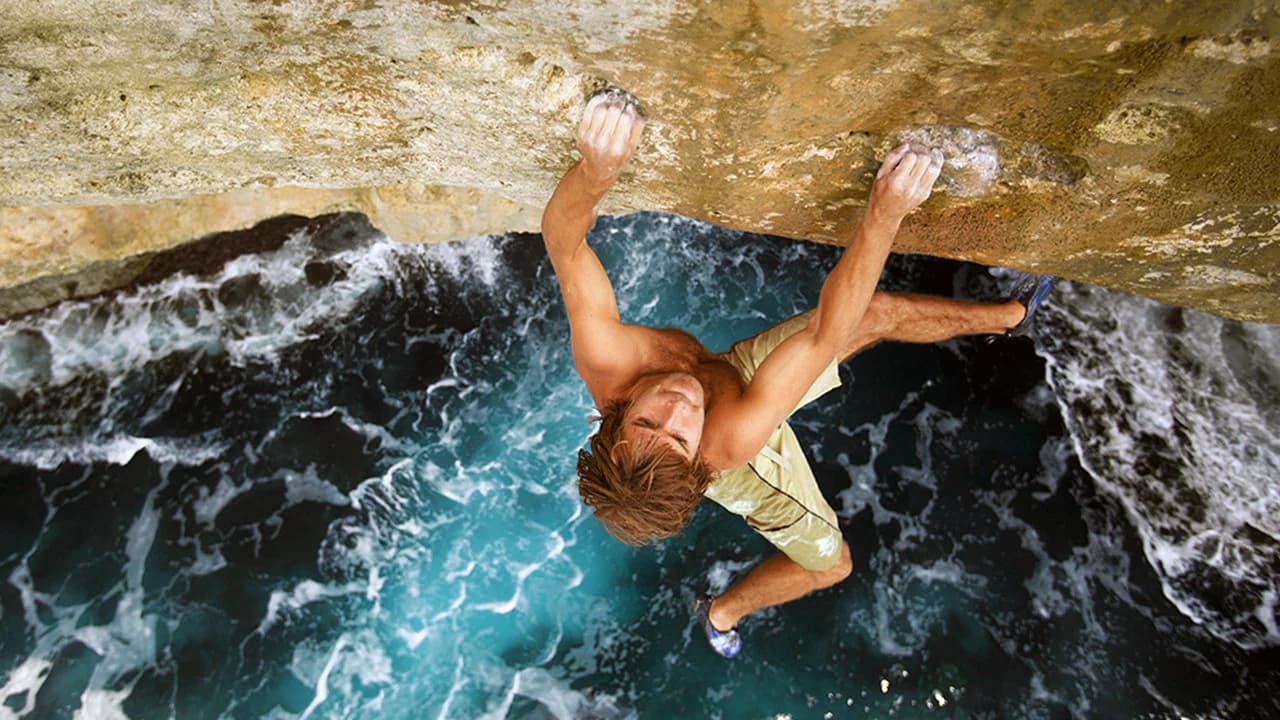
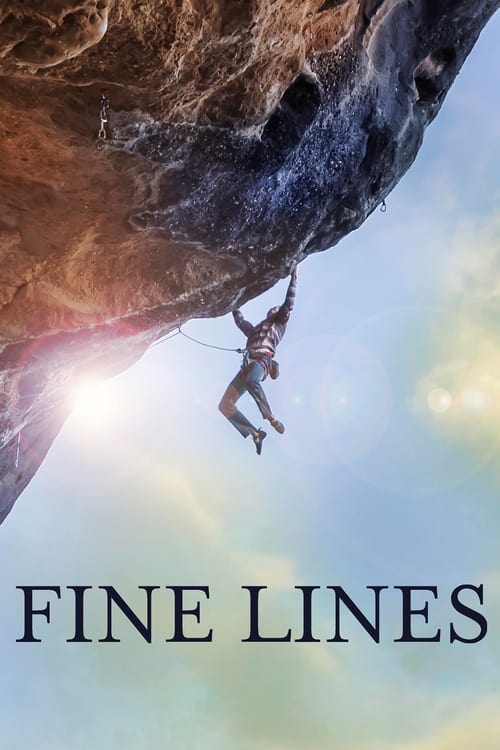
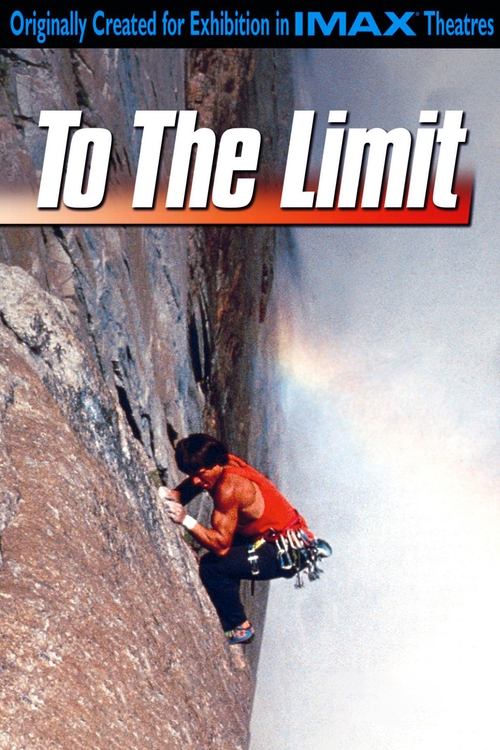
For nearly three years, director Dina Khreino interviewed world-class mountain climbing athletes, listening to what compels them to leave behind families, friends, and everyday comforts to risk everything for a fleeting glimpse into the unknown. What she found was a tribe, a…
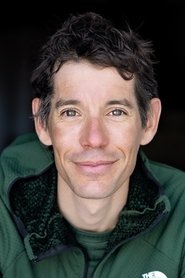
Self
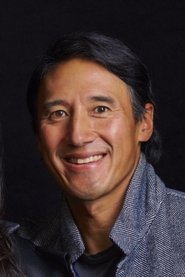
Self
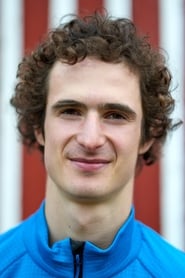
Self
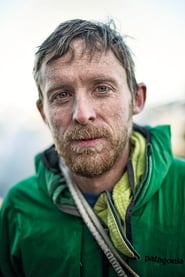
Self
Self
Self

Self

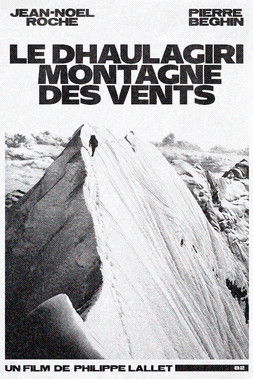
In October 1984, Pierre Béghin, an engineer from Grenoble, and Jean-Noël Roche, a high-mountain guide, completed the Himalayan ascent of Dhaulagiri (8,172 m). The expedition's context: seven people crossed Nepal to Muri, collected accounts from trekkers—including that of the author Robert Rieffel—and attended Sherpa prayers at base camp. Then, the two of them embarked on a rocky and snowy route without supplemental oxygen. At over 5,000 meters, on the mountain of winds, Jean-Noël Roche made a paragliding flight. The climbers brought back footage with their Super 8 camera from 6,500 meters, but only photographs have been able to confirm their presence on the summit ridge of the seventh highest peak in the world.
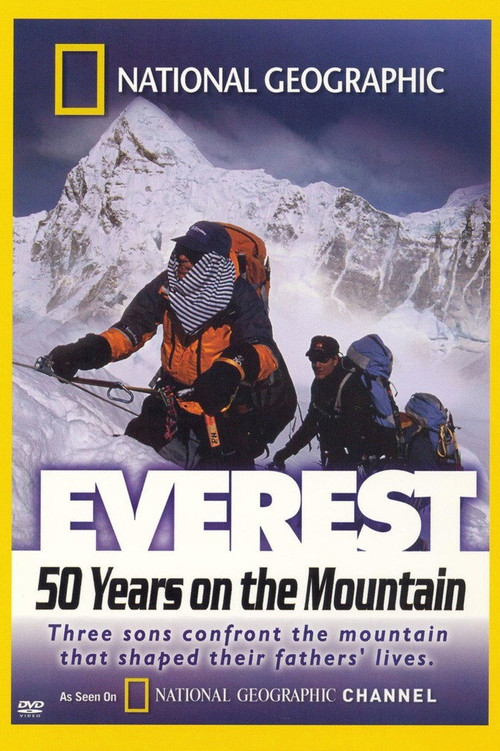
In 1953, Sir Edmund Hillary & Tenzing Norgay made history as the first people to reach the top of Everest. Now, 50 years later, three sons of Everest's most celebrated climbers return to the mountain to challenge it again. Join their journey as they brave the elements and face death to climb 29,000 feet of wind-blasted rock and ice. And, relive the dramatic history of Everest from great triumphs to deadly tragedies, enduring rivalries and the unsung role of the Sherpa people—as National Geographic exposes the untold stories that lurk in the mountain's epic shadow and takes you on the ultimate Everest experience.
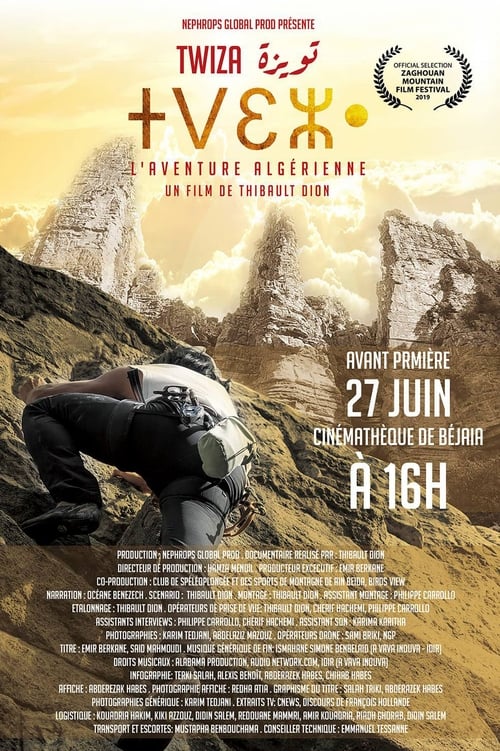
In Tamazight culture, "Twïza" symbolizes a gathering for sharing and mutual support. This is precisely what Thibault Dion's film explores – January 2019 – as five French climbers land at Constantine airport. While they initially thought they would simply be opening climbing routes in eastern Algeria, this group of climbers from Grenoble discovers much more. Their initial apprehension about exploring this isolated region, coupled with the warm welcome, good humor, and rich culture, transforms their journey into an unexpected human adventure. Fabulous landscapes, thrilling experiences, unforgettable moments, smiles – beyond borders, in the land of friendship and hospitality... Algeria.
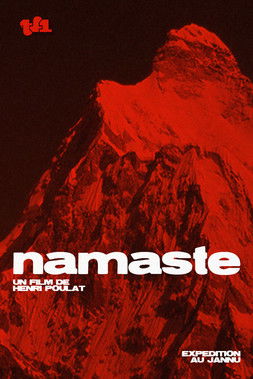
On April 29, 1983, three French alpinists reached the summit of Jannu, having climbed its 7,710 meters via the very steep southwest spur. The success of Luc Jourjon, Jean-Noël Roche, and Roger Fillon echoed that of the 1962 national expedition, which had been celebrated by Lionel Terray alongside the leading climbers of the time, Desmaison, Paragot, Magnone… But in 1983, the goal was no longer simply to wave a French flag on a virgin summit. The focus was already on a more "alpine" style, and there was even the idea of descending from the top… by air!
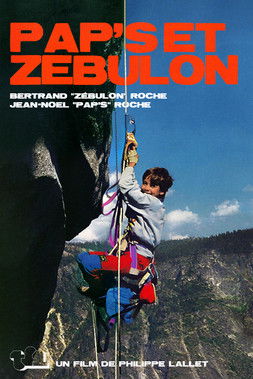
“Roche” from father to son… Bertrand Roche, nicknamed Zébulon, the spring-loaded character from The Magic Roundabout, comes from his inability to stay still. At 11, he reached the summit of Mont Blanc, which he has since climbed more than fifteen times. At 12, he took up paragliding and, in the United States, climbed the famous Nose face of El Capitan in Yosemite with his father, Jean-Noël Roche, known as Pap’s, a renowned Himalayan mountaineer and paraglider. He was filmed during this journey by Philippe Lallet and became the central figure in the documentary film Pap’s and Zébulon, as well as in the book written by Jean-Noël Roche and Claude Roche: Pap’s and Zébulon, or, The Extraordinary Adventures of a 12-Year-Old Mountaineer.


Mountaineering documentary on the Nanga Parbat expedition, in India, in 1982. Led by mountaineer Pierre Mazeaud, this international expedition brings together eight French people, two Germans, an Iraqi, an Austrian and an Englishman including Michel Afanassieff, Michel Berrueux, Walter Cecchinel, Kurt Diemberger, Hans Engl, Shah Jehan, Karim Imamdad and others. On July 14, 1982, Hans Engl reached the summit after twelve hours of struggle.
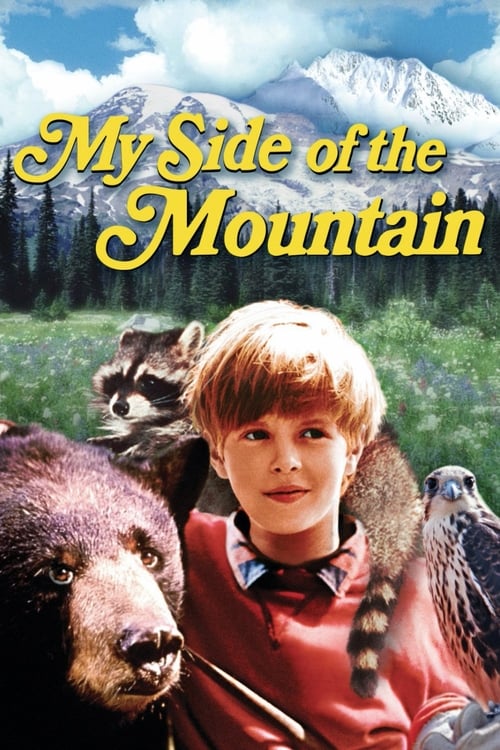
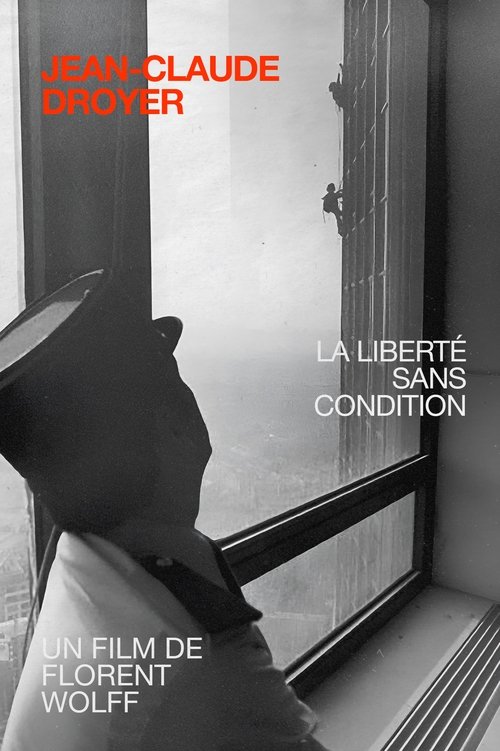
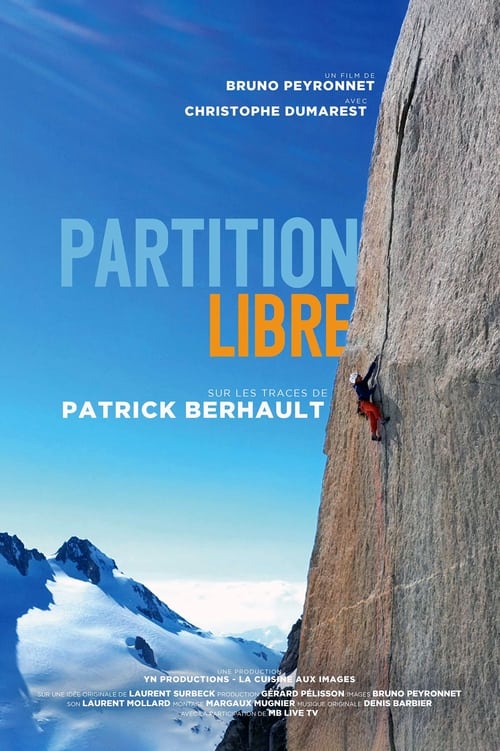
Portrait of Jean-Claude Droyer, a famous French climber and mountain guide. He is known for having participated in the rise of free climbing in France in the late 1970s. Trained at the climbing schools of Fontainebleau and Saussois, he distinguished himself in 1965 by solo climbing the Pentecôte route at Glandasse. He also made first ascents in the Verdon Gorges, winter ascents in the Prealps and the Mont Blanc massif, notably in 1971 the first solo ascent of the Directe Américaine on the west face of the Drus. The film was selected for the "Les Écrans Documentaires" festival in 2004.
Self
Self
Self
Self
Self