
Loading titles…
Himself

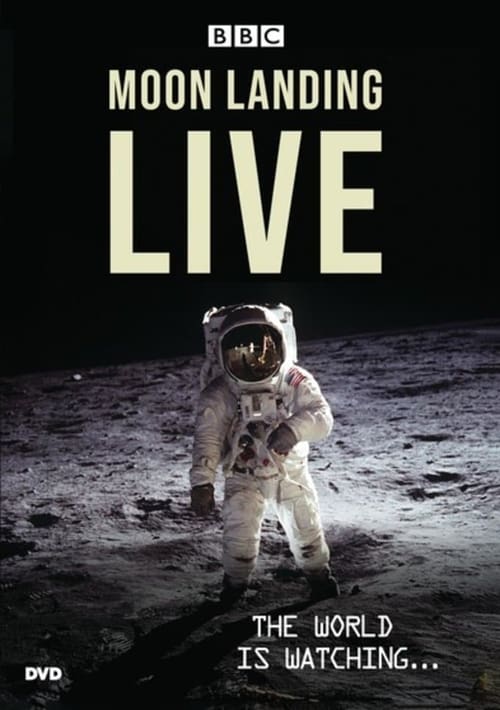
July 1969. America made history and sent the first humans to the moon. High-quality NASA footage and extensive news broadcasts bring this sensational moment in history bursting back into life. Live news footage from every corner of the globe recreates the excitement and elation that surrounded the event, as 600 million people tuned in to watch Neil Armstrong's remarkable first steps.
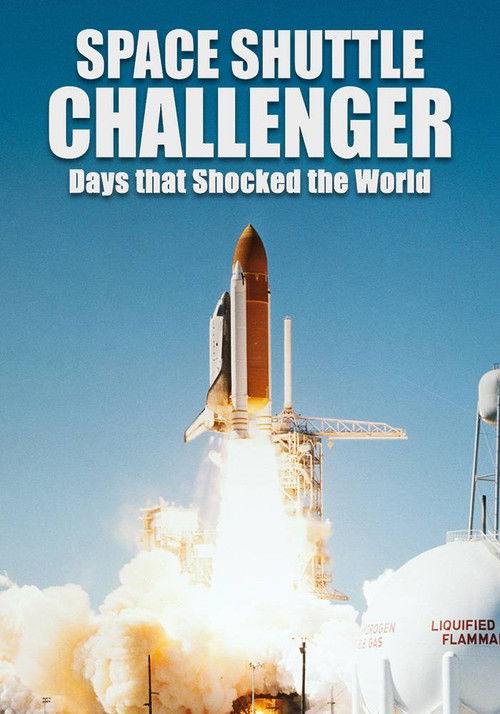
An inspiring documentary film that details the life mission of Col. Ilan Ramon, the first and only Astronaut from Israel, who blasted off on the Shuttle Columbia. He carries with him a cherished artifact, a miniature Torah scroll, that had survived the Holocaust. From the "Depths of hell to the heights of space," his simple gesture would serve to honor the hope of a nation and to fulfill a promise made to generations past and future.

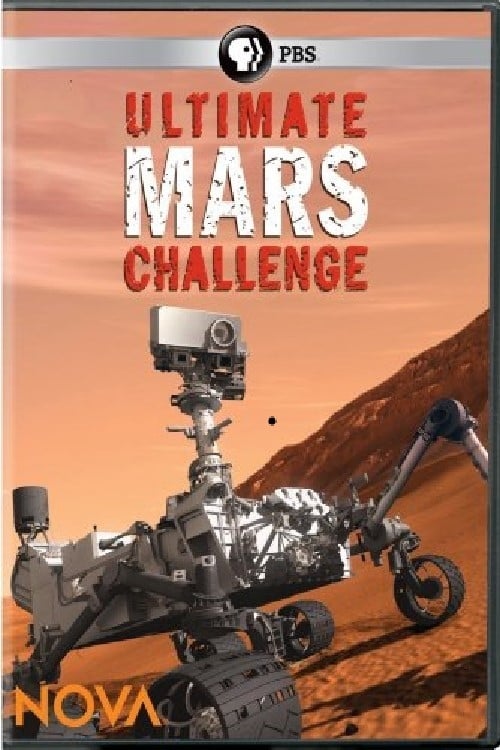

Moonscape is a free and freely downloadable high-definition documentary about the first manned Moon landing. Funded and produced by space enthusiasts from all over the world, it shows the full, unedited Apollo 11 landing and moonwalk, using only the original TV and film footage and the original audio and photographs. All this material has been scanned, digitized and restored from the best available sources. The live TV broadcast, the 16mm color film footage shot on the Moon and in Mission Control, and the Hasselblad 70mm color photographs taken by astronauts Buzz Aldrin and Neil Armstrong, have been fully synchronized with the audio recordings (including the onboard and Mission Control recordings) and are presented in real time, as they happened, with full subtitles in English or Italian.
Produced by NASA contractor Rockwell International, this circa 1978 film was made shortly before the successful Apollo-Soyuz space mission. It is followed by a second film SPACESHIP EARTH showing on-going work on the new Space Shuttle. APOLLO-SOYUZ was created prior to the actual mission, and uses footage from prior Apollo missions and concept art. The film also shows the construction and assembly process for the Apollo side of the mission with Deke Slaton and crew shown. The docking module is shown at 1:52 and again at 2:43 when it was displayed at the 1973 Paris Air Show.
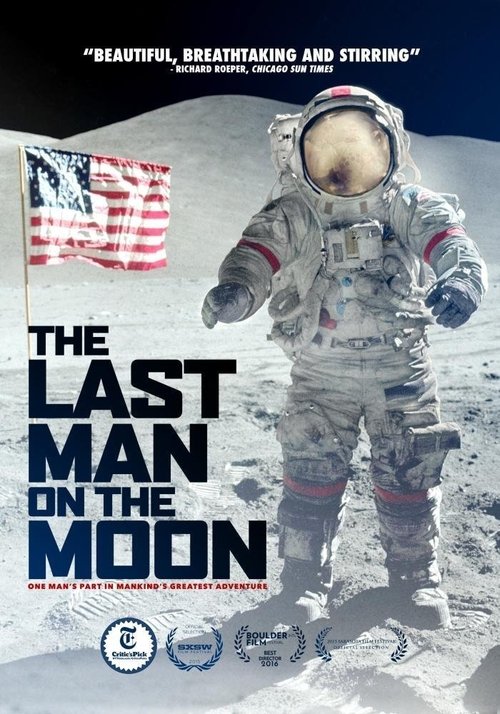
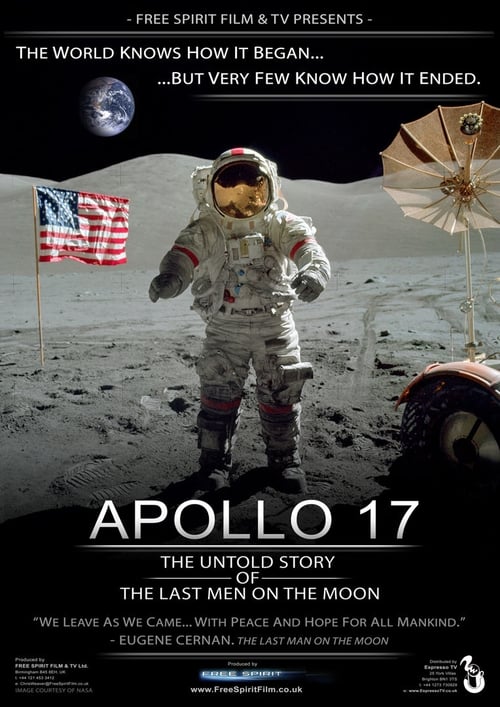
The 1960s was an extraordinary time for the United States. Unburdened by post-war reparations, Americans were preoccupied with other developments like NASA, the game-changing space programme that put Neil Armstrong on the moon. Yet it was astronauts like Eugene Cernan who paved the uneven, perilous path to lunar exploration. A test pilot who lived to court danger, he was recruited along with 14 other men in a secretive process that saw them become the closest of friends and adversaries. In this intensely competitive environment, Cernan was one of only three men who was sent twice to the moon, with his second trip also being NASA’s final lunar mission. As he looks back at what he loved and lost during the eight years in Houston, an incomparably eventful life emerges into view. Director Mark Craig crafts a quietly epic biography that combines the rare insight of the surviving former astronauts with archival footage and otherworldly moonscapes.