
Loading titles…
Documentary
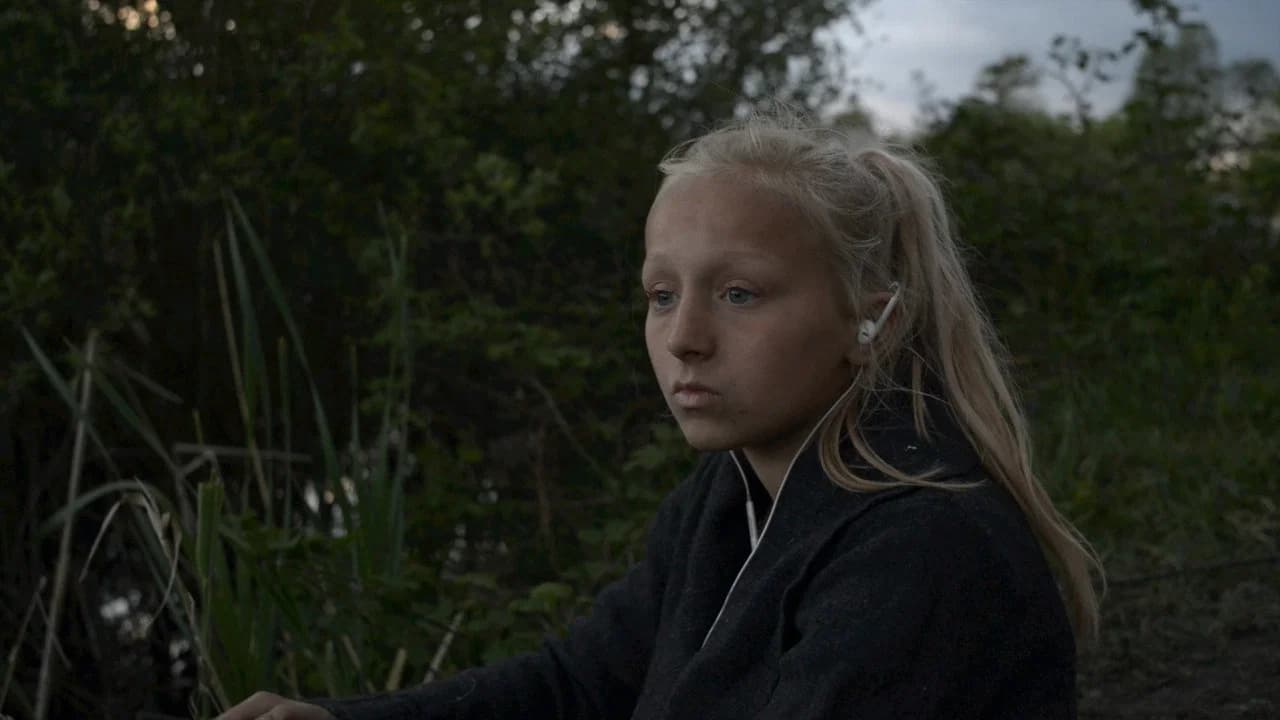
Late summer, a small lake, teenage rascals. Mia, 11 and too wise for her age, asks Hugo, 15 and blasé, to tell her about Chaïnes – a girl he spent evenings with at the lake, trying to seduce her. He felt the fear of declaring his love and the torment provoked by the exuberant…
Cast
Cast
Cast
Cast
Cast
Cast
Cast

Last year, Marion (48) wrote a letter to God for New Year. She no longer wanted to be alone. May he send her a man who will protect and love her. A man with the blood of a knight. And then she found Rudi (48). The problem: he was in prison. After six visits and 59 letters from him, they both say: it's love. He is due to be released in a year and a half. Then he wants to move in with her in northern Germany. We follow the couple as they move from prison to freedom: when they visit him behind bars, when he goes out for the first time in open prison, when the problems begin. Does he have an alcohol and gambling problem or not? Will he be released early or will he give up everything? What is it like when love that began behind bars meets reality? What problems and limits will the two of them encounter? A long-term observation over a year and a half. Can love move mountains?

A collage-style video essay that explores the idea of love through touch. Guided by fragments of films, paintings, photographs, and other visual images, a sensorial and poetic narrative is constructed around the protagonists of Alan Stephens Foster's painting "The Fall." Like a moving moodboard, the work connects different artistic and cultural expressions to portray gestures of affection, desire, care, and presence between diverse bodies. All of this through the hands.

A major figure in contemporary feminism and the first Frenchwoman to win the Nobel Prize for Literature, Annie Ernaux is seen by many as a source of individual and collective emancipation, blending the intimate with the universal. Filmmaker Claire Simon has devoted an original portrait to her, giving students and teachers a voice.

Blending poetic and expository modes of documentary storytelling. ‘Colour Through the Grey’ explores the psychotherapeutic method of art therapy, questioning whether creative expression can be used as a therapeutic tool in navigating bereavement, or if the dissonance between dejection and therapeutic intervention proves to be too strong to overcome.