

Loading titles…

Baja (voice)

Ga-chan / Gi (voice)

Coco (voice)

Kanako (voice)
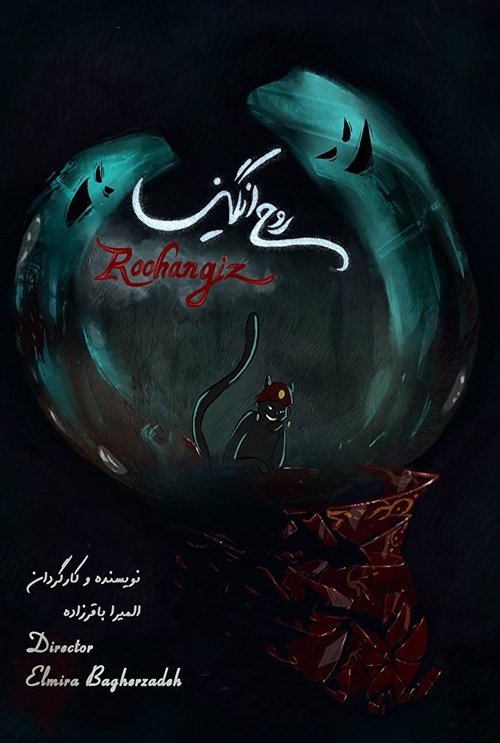
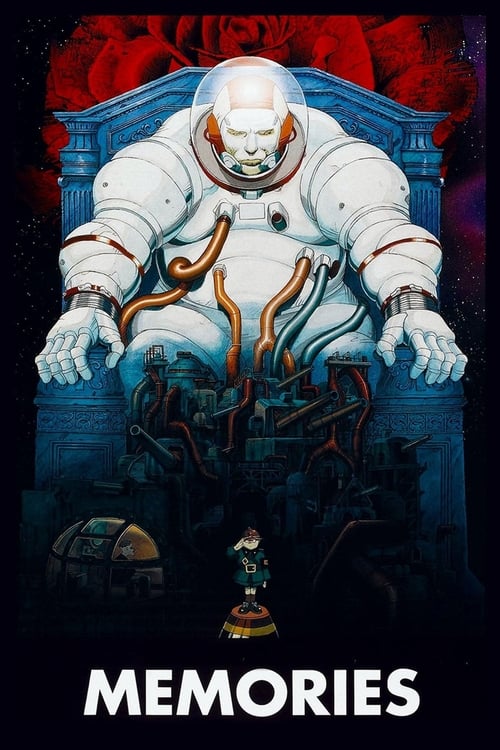


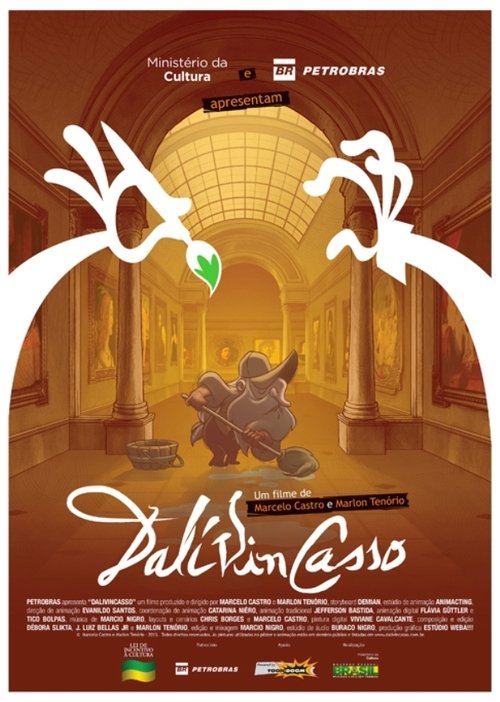
An unpublished painting, the meeting of two geniuses in a single painting arrives to the museum at a rainy night. The museum caretaker observes the work of art being brought to the lounge where it will be exhibited to the public. The wet box drips on the paint, the paint softens and releases the conjoined painters who walk around the museum intervening on the works of art in a Cubist and Surrealist manner. The caretaker "chases" our painters in a classic cartoon chasing, using the Renaissance mechanisms to restore the order.
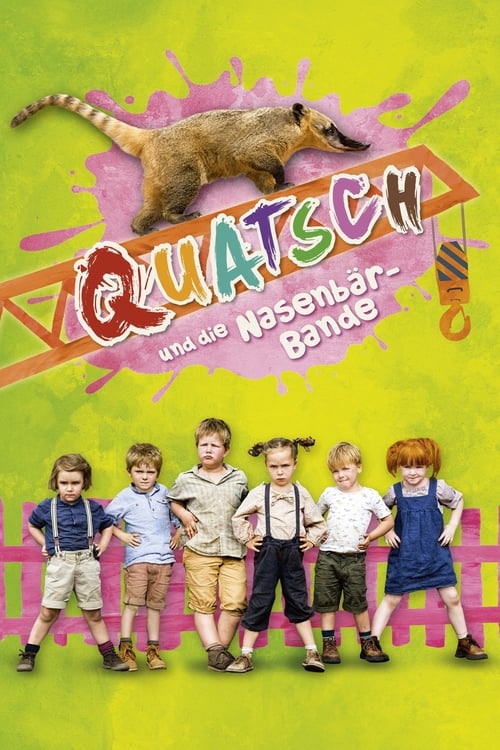
Life could be so good for the children of Bollersdorf if the town had not been discovered by the Society for Consumer Research because of its mediocrity. New products are to be tested here. The market researchers know that what the people of Bollersdorf like sells well everywhere. But while the local parents enthusiastically take part, their children quickly get fed up with the annoying product testers. Even more so when they want to send their beloved grandmas and grandpas to a care home to bring the average age back into line. This is a case for the coati gang! Together with the clever coati Quatsch, the children hatch a clever plan: With adventurous inventions and crazy world records, they want to prove Bollersdorf's uniqueness so that the consumer researchers finally disappear again...
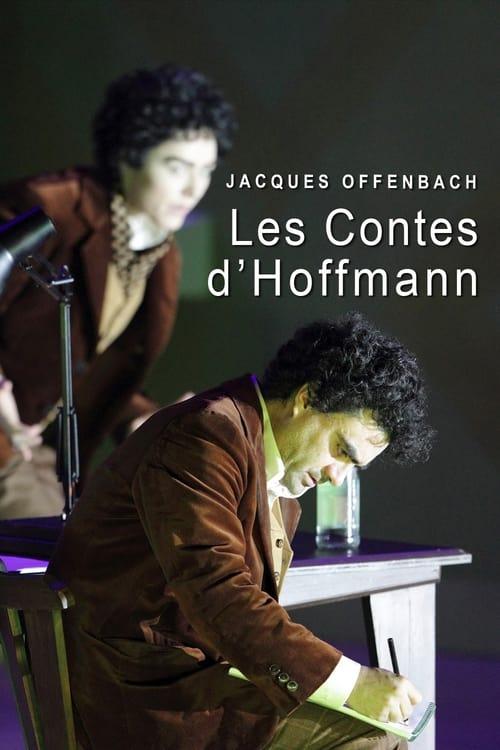
Live performance, Bayerische Staatsoper, 2011. The Tales of Hoffmann (French: LES CONTES D'HOFFMANN) is an opéra fantastique by Jacques Offenbach that combines three short stories by E.T.A. Hoffmann into a haunting whole: a melancholy poet reflects on three women he loved and lost in the past: a mechanical performing doll, a Venetian courtesan, and the consumptive daughter of a celebrated composer. One of the questions this opera poses for any director is how to link the 'tales' of Hoffmann's three lost loves together and knit them satisfactorily into the Prologue and Epilogue. In this production, Richard Jones solves the puzzle by turning it into an autobiographical journey which ends with a grand meet-up of all the characters Hoffmann has encountered: for once, Hoffmann is not presented as a rollicking kind of drunken story-spinner, but rather a sad-eyed, sobered-up depressive, who reaches for the bottle only because his disastrous love life has gone wrong yet again.