
Loading titles…
Documentary / Music
In a poor eastern quarter of Montreal, a restaurant is dedicated for the poors only: le Chic Resto Pop. It used the surplus of some merchants to offer cheap meals. The young people who work there for free get a lot of satisfaction in their work in spite of the difficulties. The…
No cast information available.


This video work was made while Rist was still an art student at the School of Design in Basel, Switzerland. It was produced in an unlimited edition and is intended to be shown on a domestic-style monitor, although it may also be displayed as a projection with special permission from the artist. The video depicts the artist, an attractive young woman dancing manically around the room while repeatedly singing ‘I’m not the girl who misses much’. The phrase is an adaptation of the first line of the Beatles song ‘Happiness is a Warm Gun'. Referring to her childhood Rist has said, ‘In my village in Switzerland I had a small window on the art world through the mass media; through John Lennon/Yoko Ono I moved from pop music to contemporary art. In return, I will always be grateful to popular culture’ (quoted in ‘I rist, you rist, she rists, he rists, we rist, you rist, they rist, tourist: Hans Ulrich Obrist in Conversation with Pipilotti Rist’, Pipilotti Rist, p.16).
Rafael - the minister of sports of an unrecognized country, and Natasha - a Russian opera singer, try living together in Abkhazia - a war-torn future-less country. Observing their difficult relations, we see life in a place marked by war and nationalism. The film portrays trapped people dreaming of peace, normality and happiness.
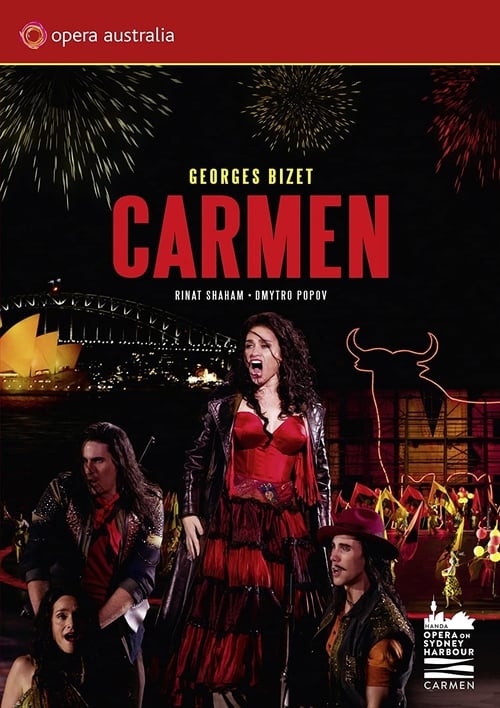
With the Australian Opera and Ballet Orchestra and conductor Brian Castles-Onion, a gritty set design, sumptuous bold costumes, stunning choreography, and the inestimable direction of Gale Edwards and Bizet's glorious opera is brought to life like never before in this second Handa Opera on Sydney Harbour.
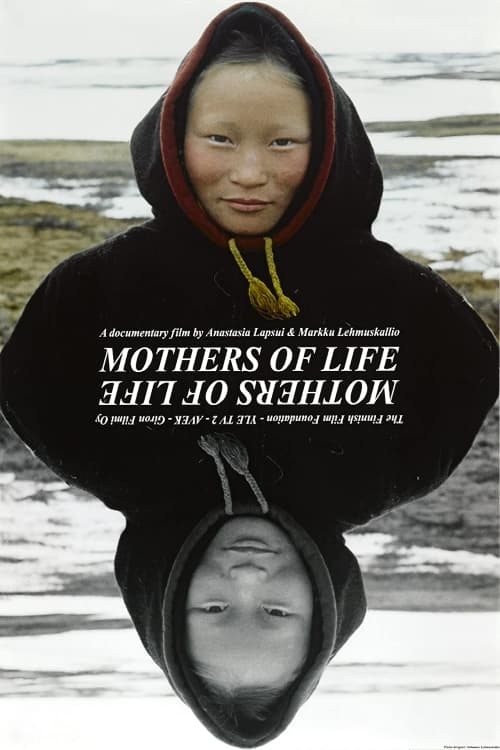
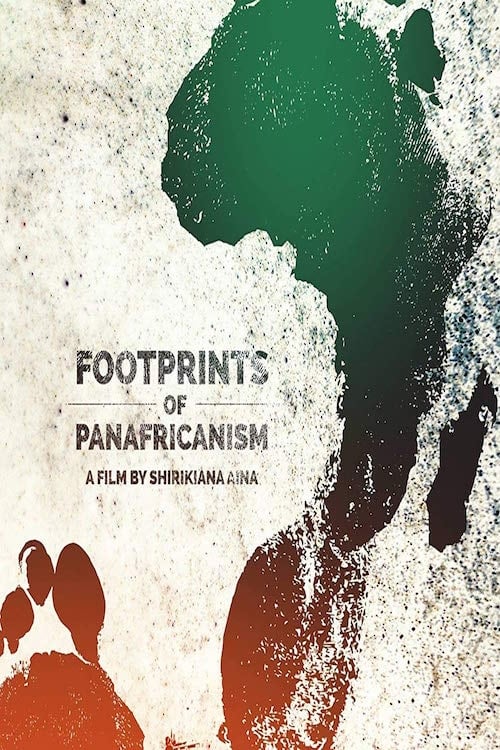
In 1957, Ghana was the first African country to become independent of its colonial rulers, in this case the British. Kwame Nkrumah, the first president of what in 1960 became the Republic of Ghana, called on Africans from all over the world to come to Ghana to help build the new nation. The most important aim was to "undo the damage caused by the slave trade" as filmmaker Shirikiana Aina expressed it in her documentary Footprints of Pan Africanism. Several people speak in Aina’s film about the reconstruction of Ghana and Nkrumah, who was deposed in 1966, offering room for their frequently gripping personal stories. These are often marked by racism, the emerging civil rights movement and what it’s like to be black and live elsewhere. For many, returning to Africa was like going home.
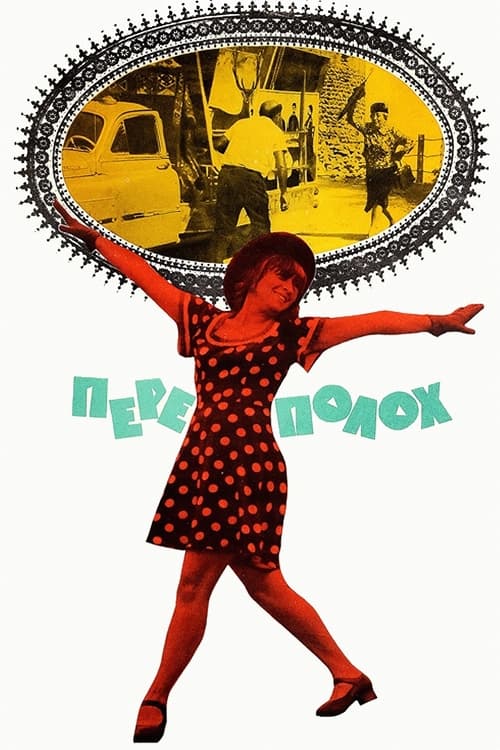
A cult of diners, restaurants and an excessive eating prevails in the City of Joy. Different contests are held in cooking the Georgian cuisine. Makro, a famous singer, decides to lend some spirituality to the city of gluttons. For that purpose she decides to set up a gallery of beautiful paintings in one of the city’s restaurants. The owners of the restaurant oppose that decision, but due to Makro’s agility the tenants of the city carry the paintings to the new museum.