Loading titles…

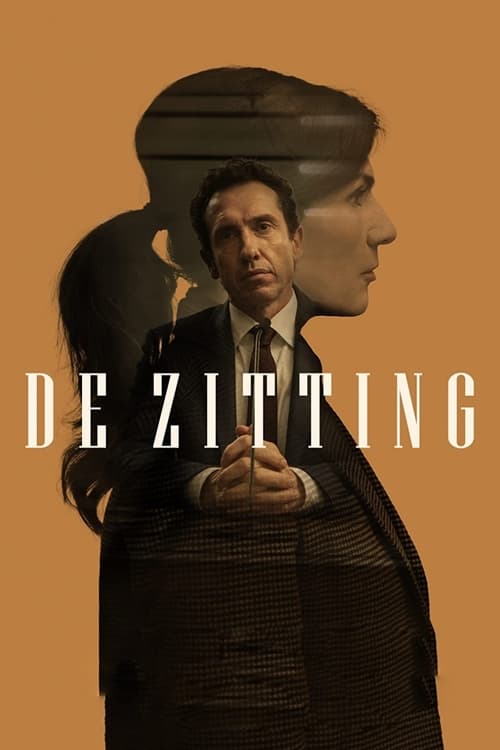
Serge Cremer
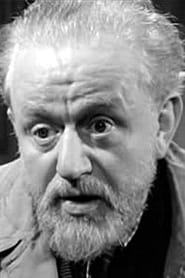
President of the tribunal
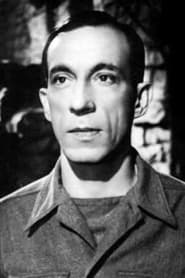
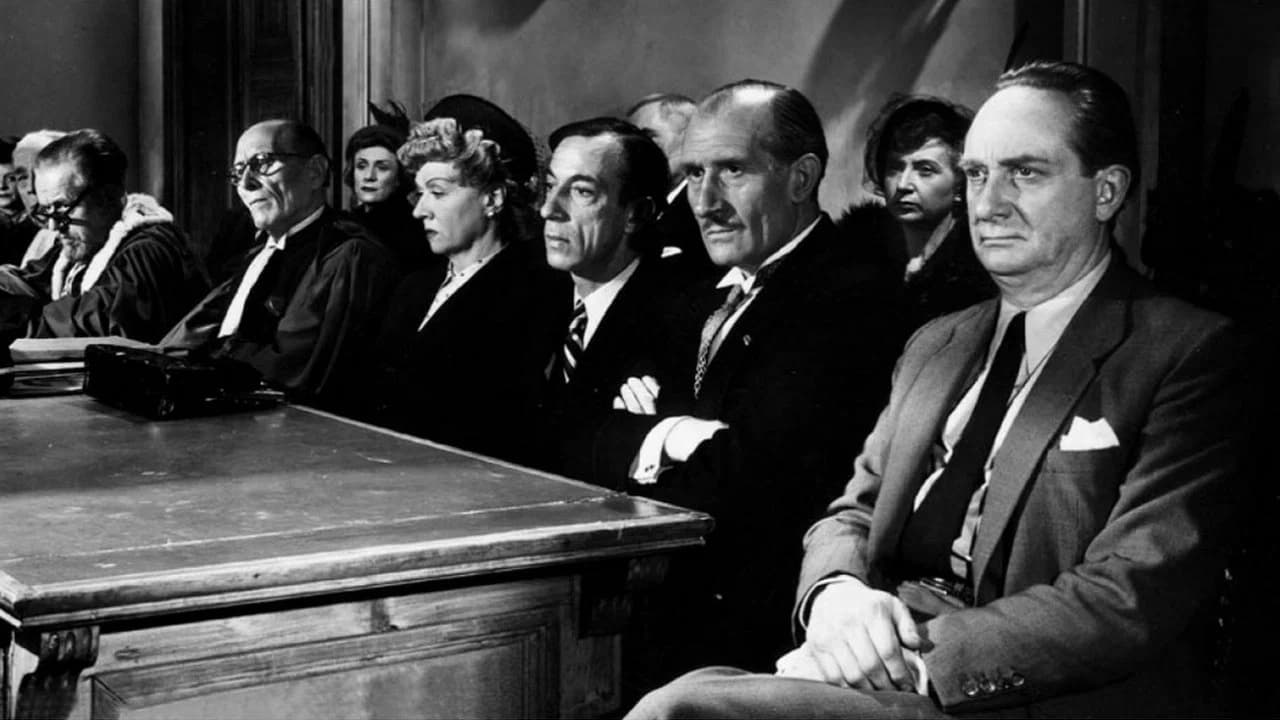
Félix Noblet, 5th juror
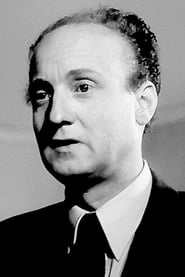
Gilbert de Montesson, first juror

Michel Caudron, 7th juror
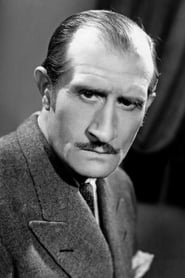
Théodore Andrieux, retired commander, juror
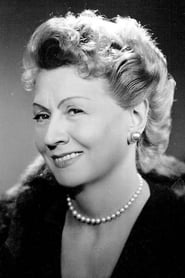
Marceline Micoulin, antique dealer, juror
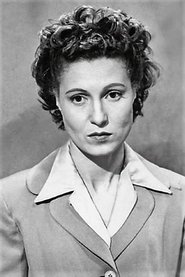
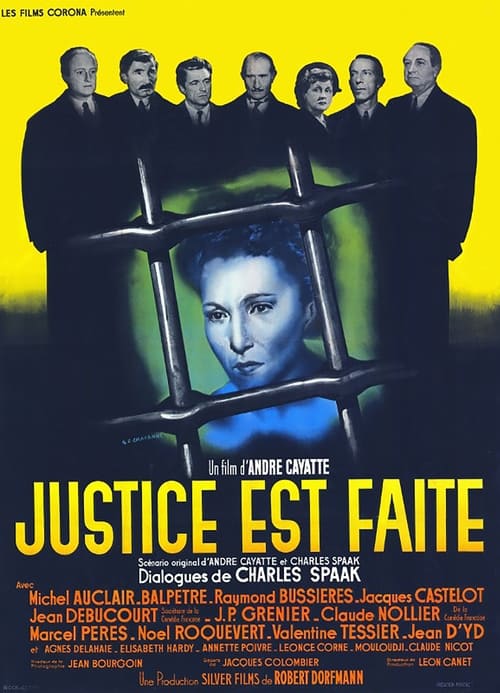
Elsa Lundenstein, pharmaceutical director, the accused
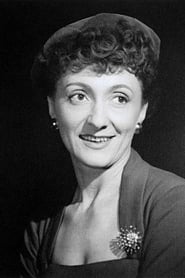
Lulu, Felix's fiancée

Elisabeth
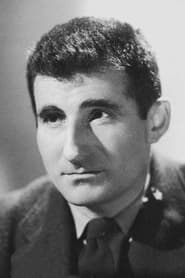
Évariste Malingué, farmer, second juror
Jean-Luc Flavier, 3rd juror
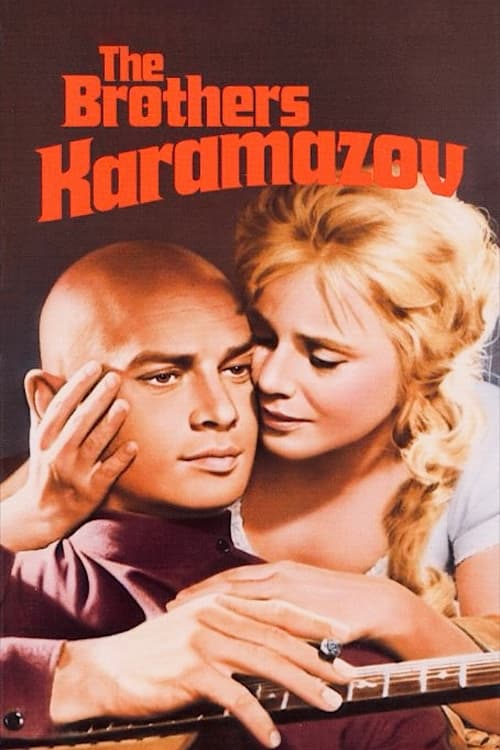
Ryevsk, Russia, 1870. Tensions abound in the Karamazov family. Fyodor is a wealthy libertine who holds his purse strings tightly. His four grown sons include Dmitri, the eldest, an elegant officer, always broke and at odds with his father, betrothed to Katya, herself lovely and rich. The other brothers include a sterile aesthete, a factotum who is a bastard, and a monk. Family tensions erupt when Dmitri falls in love with one of his father's mistresses, the coquette Grushenka. Two brothers see Dmitri's jealousy of their father as an opportunity to inherit sooner. Acts of violence lead to the story's conclusion: trials of honor, conscience, forgiveness, and redemption.

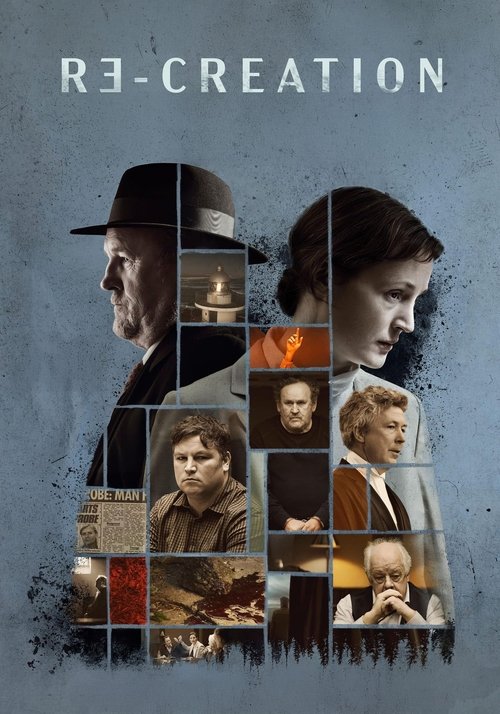
In a fictitious trial, twelve members of a jury must decide whether journalist Ian Bailey is guilty of the 1996 murder of French filmmaker Sophie Toscan Du Plantier. Based on real events, the film reconstructs, through the discussions between these twelve people, a case that ultimately invites the viewer to draw their own conclusions.
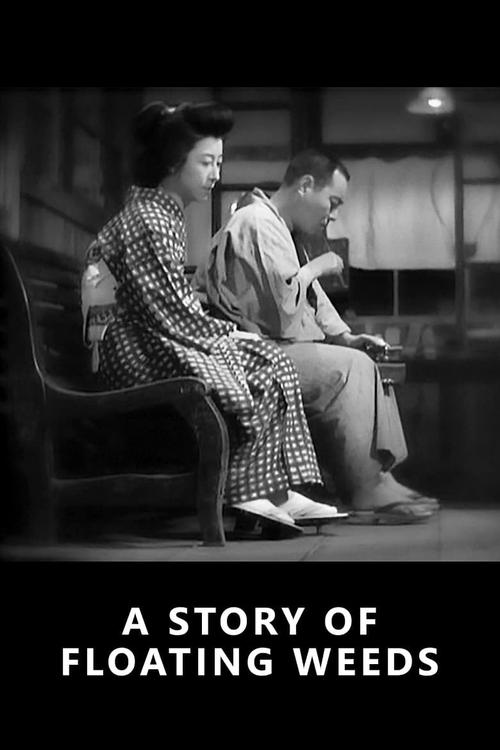

Half a Confession introduces itself as a thriller and abruptly changes gears, transforming into a tale of morality with deeper insights into its characters than we had anticipated. It begins when Soichiro Kaji (Terao), a retired detective, walks into police headquarters and confesses to the murder of his wife. We learn that the victim had prematurely developed Alzheimer's after the tragic death of their son, and in her suffering, had asked to die. The police chiefs would be far more content to take him at his word if it were not for a conspicuous hole in his story: 48-hour gap between the alleged murder and his confession. Fearing a public relations nightmare, they are eager to bury the incident and keep the press in the dark.
Public prosecutor Ujjwal Nikam takes on one of the most high-profile criminal cases in India’s history, leading the prosecution in the trial of Ajmal Kasab following the 26/11 Mumbai terror attacks. As he battles to uncover the truth and secure justice, Nikam must confront the immense personal and professional burden of a case that will define his legacy.