Loading titles…
Documentary / TV Movie
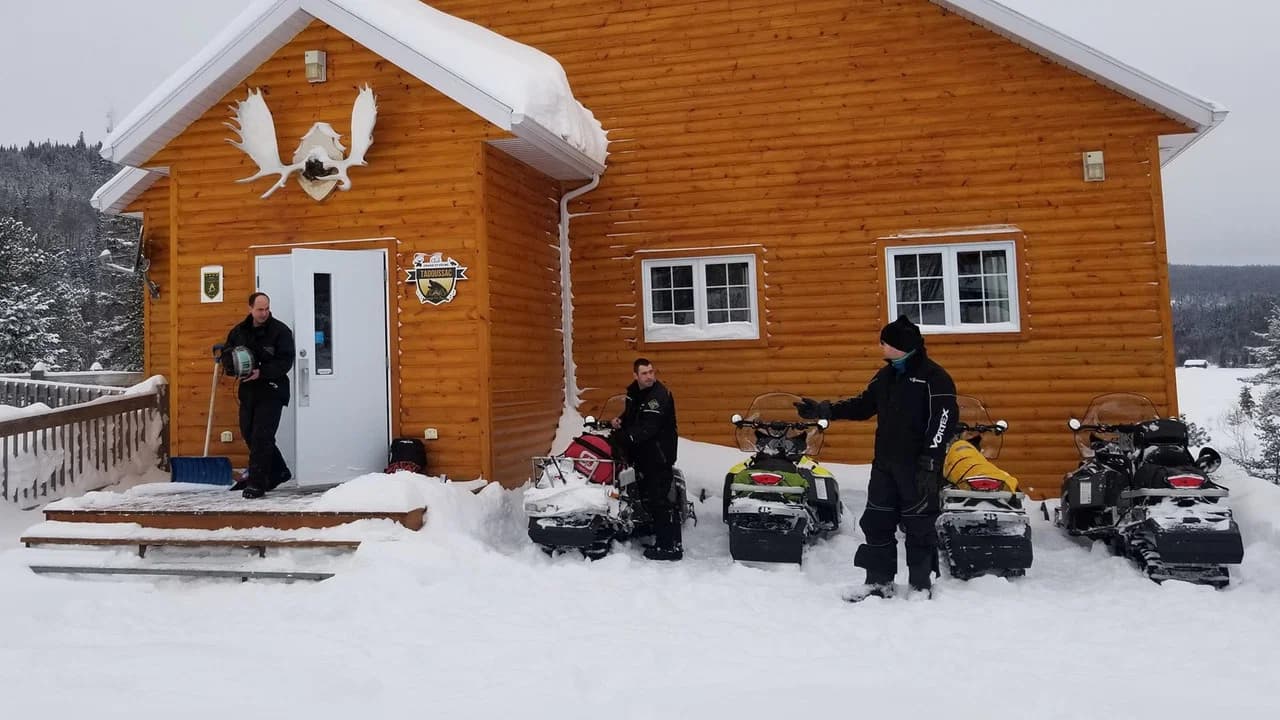
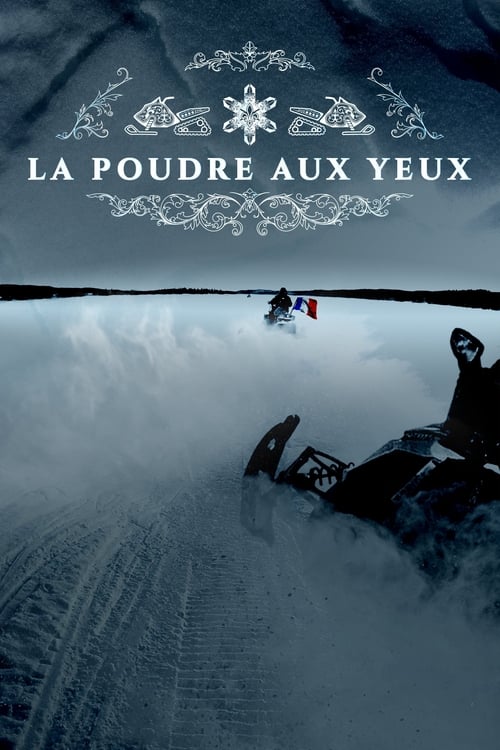
With its 33,000 kilometers of marked trails and its tens of thousands of kilometers of off-trail circuits, Québec is a snowmobile paradise. In this documentary, a dozen French tourists, accompanied by their flamboyant guide, live an incredible adventure in Quebec's wilderness.
No cast information available.

What do Daniel Webster, Dr. Seuss, C. Everett Koop, Robert Frost and 100+ Winter Olympians have in common? They all spent time at Dartmouth College, Hanover, NH where winters are long and snowy. Passion for Snow traces over 100 years of ski history in the United States with a focus on the many contributions of Dartmouth College and its alumni to the formation, growth and ongoing innovations in all aspects of snowsports. Passion for Snow combines firsthand accounts from early ski pioneers, veterans of the 10th Mountain Division, Olympians, members of the U.S. Ski Hall of Fame and top ski industry and resort executives, who explain how the most remotely located college in the Ivy League helped spawn a $25 billion industry, and continues to shape it today.
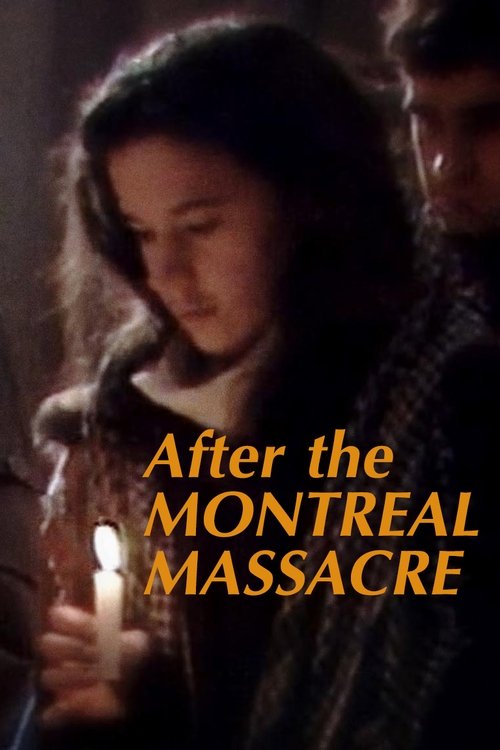
December 6, 1989. Sylvie Gagnon was attending her last day of classes at the University of Montreal's École Polytechnique, when Marc Lépine entered the building. Separating the women from the men, he opened fire on the women students, yelling 'You're all a bunch of feminists.' Sylvie survived, while fourteen other women were murdered. This video makes the connection between the massacre and male violence against women, setting the stage for an exploration of misogyny and sexism.
This film is about the francization of Québec that has taken place since the Parti Québécois won power from the Liberals in 1976. It shows how the once powerful anglophone community is now questioning its very survival. It discusses some of the motivating forces behind Québécois nationalism. The film concludes by asking if the Canadian nation can survive if neither of its major language groups is welcome in the territory of the other.
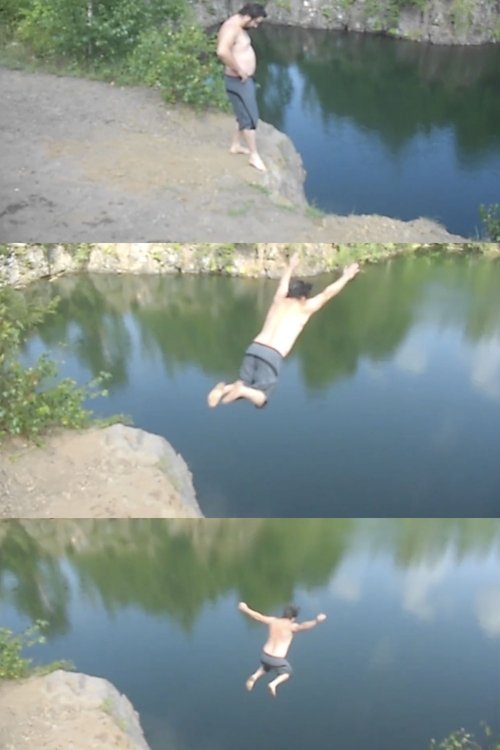
Filmed in Victoriaville, the film uses images from various sources to paint a cynical portrait of the violent boredom that reigns in rural areas. Quiet sequences of people sharing joints by the river are followed by a lone car speeding along wooded roads, as if seeking speed on the brink of accident. Thuya abandons technical mastery in favor of intimate and spontaneous filming, composing a raw self-documentation of daily stagnation. Filmed mainly in a single day of improvisation, based on chance encounters and found footage.