Loading titles…

Diretor
Diretora de fotografia

Assistente de direção

Operadora de som
Assistente de produção

Fotógrafo
Germán Cipriano Gómez Valdés Castillo, a young radio announcer from Cuidad Juárez, succeeds in drawing attention to the pachuco movement through his character Tin Tan, laying the groundwork for a new form of binational and mass linguistic expression: Spanglish. He soon became a leading figure in theater and film on the American Continent. Singled out by critics as a destroyer of the language, he quickly won the approval of the public. His ability to improvise revolutionized the film industry. His talent as an actor, singer, dancer and comedian contributed to the Golden Age of Mexican Cinema. From El Hijo Desobediente to Capitán Mantarraya, from Cuidad Juárez to Havana, from mambo to rock, the legacy of Tin Tan makes him one of the great icons of Mexico today. This film tells his story as it has never been told before.

A breathtaking investigation into blockbusters, a film genre that enjoys worldwide success yet keeps its secret weapon well hidden backstage in Hollywood. The blockbuster appeals to a very wide audience, from 7 to 77 years and from Paris to Beijing. These films, which have boosted the film industry, started out with "Jaws" and "Star Wars" and are still prospering with Avatar or Alice in Wonderland. To succeed, the films must meet a few precise criteria, one of them being their cost - at 100 million dollars minimum. But in Hollywood, the films' ingredients are a well-kept secret; perhaps for fear of discovering that the studios' house rules are not as rosy as in certain fruitful happy endings? The pressure and the stakes are colossal. This fascinating documentary reviews the numerous professions affiliated with the blockbuster, via interviews with producers of the major studios (Walt Disney Studio, 20th Century Fox...)...

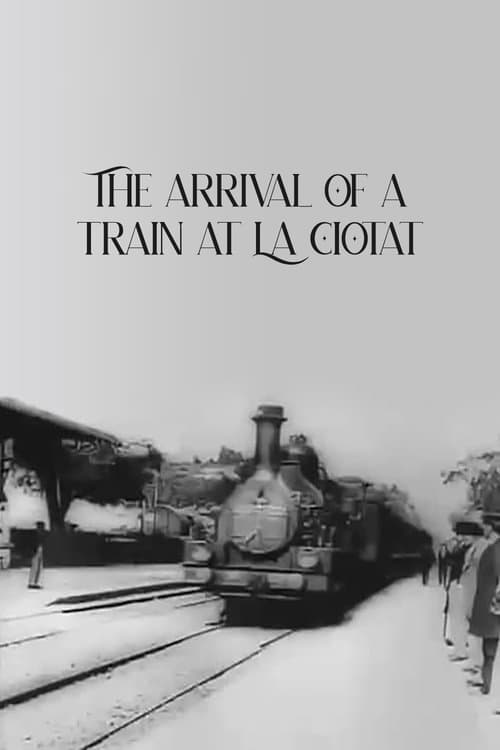
A group of people are standing along the platform of a railway station in La Ciotat, waiting for a train. One is seen coming, at some distance, and eventually stops at the platform. Doors of the railway-cars open and attendants help passengers off and on. Popular legend has it that, when this film was shown, the first-night audience fled the café in terror, fearing being run over by the "approaching" train. This legend has since been identified as promotional embellishment, though there is evidence to suggest that people were astounded at the capabilities of the Lumières' cinématographe.
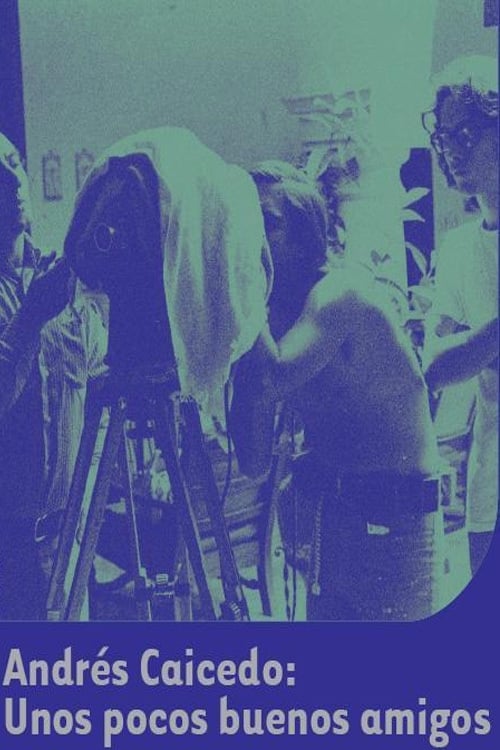
Using the unfinished film, ANGELITA Y MIGUEL ÁNGEL, by Andrés Caicedo and Carlos Mayolo, as a structuring device, friends of prolific film critic and writer Andrés Caicedo, an unforgettable figure of the group of Cali in the 1970s who left an incredible amount of texts, reflect upon his life, his work, and his suicide at the age of 25, testify to his influence in the cultural life of Colombia, and remember his strong and touching personality.
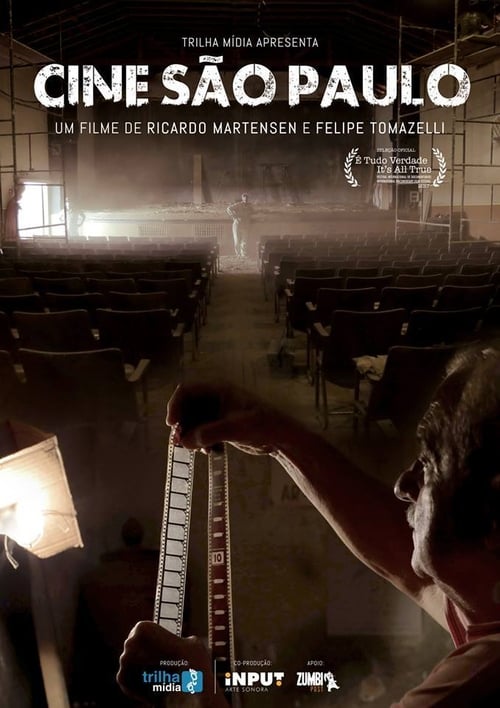
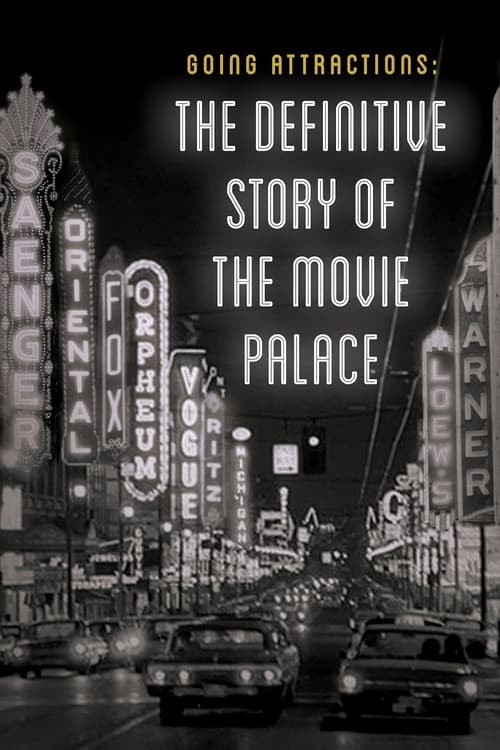
Celebrating the splendor and grandeur of the great cinemas of the United States, built when movies were the acme of entertainment and the stories were larger than life, as were the venues designed to show them. The film also tracks the eventual decline of the palaces, through to today’s current preservation efforts. A tribute to America’s great art form and the great monuments created for audiences to enjoy them in.

Four lives that could not be more different and a single passion that unites them: the unconditional love for their cinemas, somewhere at the end of the world. Comrades in Dreams brings together six cinema makers from North Korea, America, India and Africa and follows their efforts to make their audiences dream every night.