Loading titles…
No cast information available.
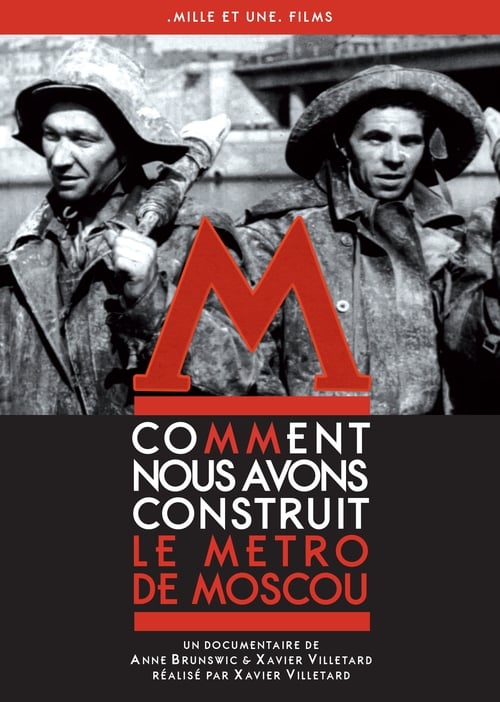
In the 1930’s, the workers of the underground, headed by brigades of writers, are in charge to write in real time "the history of the Moscow Metro". Based on their narratives, partially unpublished, the film recounts the first lines construction of the most beautifiul underground in the world, in the light of this "big literary Utopia", stoped by the purges of 1937-38.

Synthesis of the first 110 years of the history of Portuguese cinema, made almost exclusively with archive material from the series of eight episodes History of Portuguese Cinema, produced by Pedro Efe in 1998, and combining excerpts from films with testimonies from some of the most prominent actors of the same story. It is attempted to relate it chronologically, and in spite of certain gaps, in an accessible, concise and didactic way.
Starting with her own memories of working as an actress on Abbas Kiarostami's Ten, filmmaker Roya Akbari proceeds to elicit other testimonies on the masters of Iranian cinema from three people who are themselves among the foremost Iranian directors: Rafi Pitts on Parviz Kimiavi; Amir Naderi on Sohrab Shahid Saless; and Bahram Bayzai on Arby Ovanessian. Bayzai also analyses Haji Agha, the Cinema Actor (1933) by Ovanes Ohanian, considered the first feature film made in Iran.
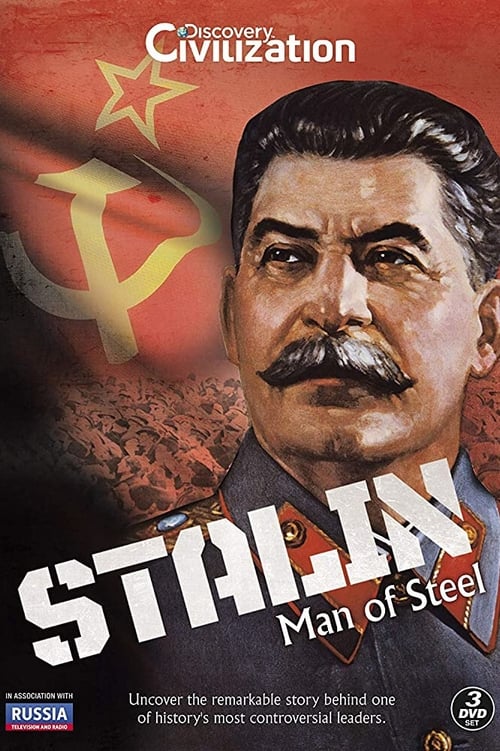
Emmy Awards nominee for "Outstanding Individual Achievement in a Craft: Research: Multi-faceted portrait of the man who succeeded Lenin as the head of the Soviet Union. With a captivating blend of period documents, newly-released information, newsreel and archival footage and interviews with experts, the program examines his rise to power, deconstructs the cult of personality that helped him maintain an iron grip over his vast empire, and analyzes the policies he introduced, including the deadly expansion of the notorious gulags where he banished so many of his countrymen to certain death.

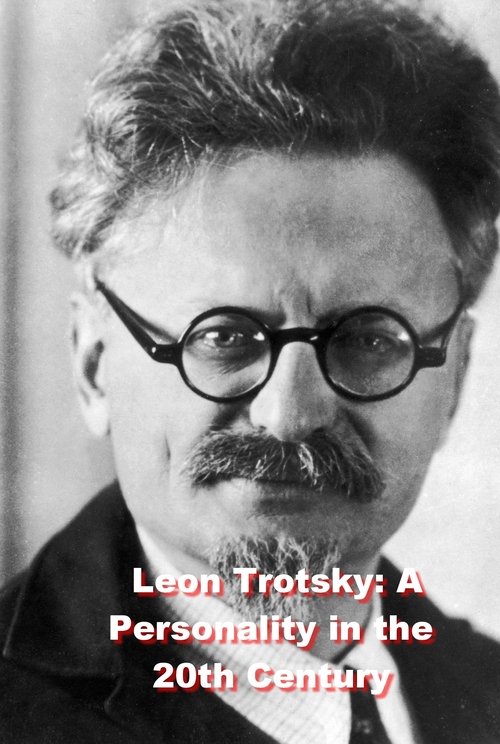
Leon Trotsky is considered one of the most controversial revolutionary figures of his time. Was he a practical revolutionary or a naive idealist? On the practical side, he was the mastermind behind the Bolshevik seizure of power in 1917, and was totally ruthless during the ensuing Civil War. As an idealist, he was committed to the pursuit of international revolution, but created many political enemies. After Lenin's death, Trotsky lost in a power struggle with Stalin, and later was expelled from the Communist Party. Trotsky was exiled from the Soviet Union, eventually finding refuge in Mexico. In 1940, Stalin ordered his assassination, and Trotsky died after being struck in the head with an ice-pick. History records that Trotsky was a master theoretician, a skillful propagandist and a brilliant orator.
This film examines Trotsky, the revolutionary; venerated and reviled, loved, hated, feared. Archive material compiled from all over the world, citations and new shoots create an electrifying proximity to the historical person and to the man Leo Trotsky. Stages in his life and eventual flight are carefully examined, from St. Petersburg, to Mexico City. This is the riveting political biography of the Revolution's onetime hero.