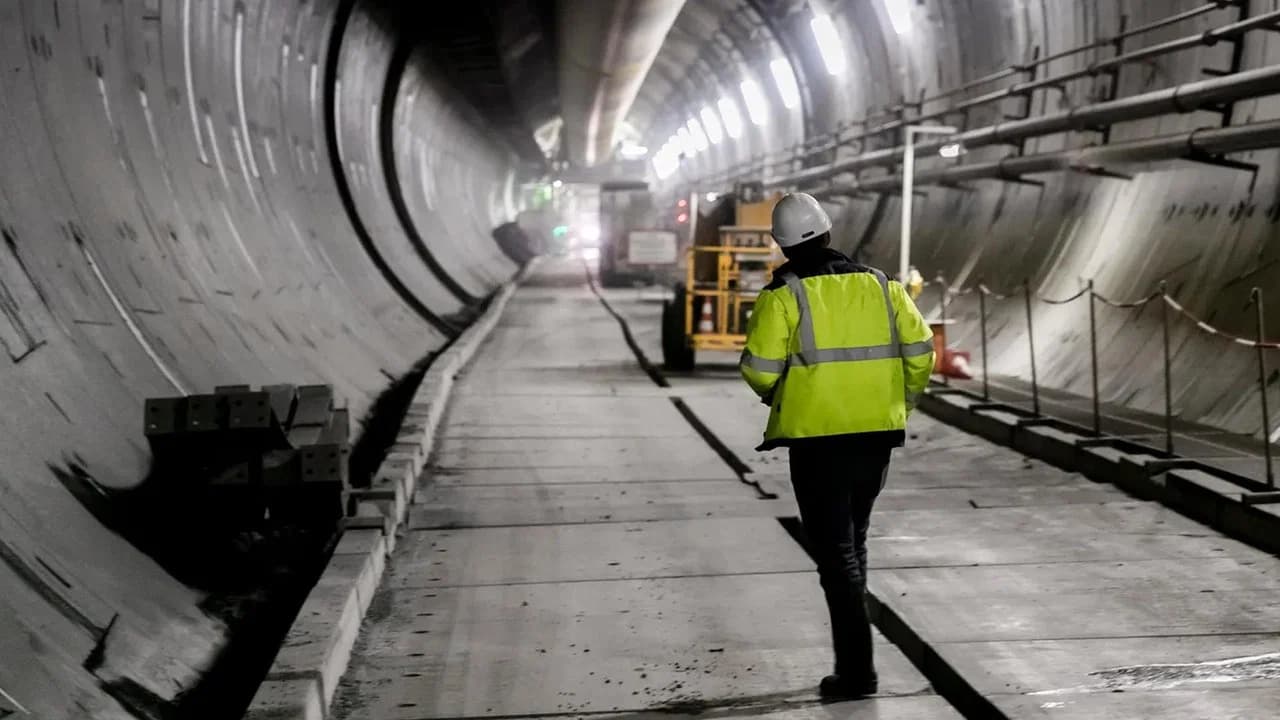

Damien Cochereau
Damien Cochereau
Narrator (voice)
No synopsis available.
Narrator (voice)
Self - Chief engineer for the tunnel boring machine
Self - Project manager of the construction
Self - Conveyor team leader
Self - Geologist
Self - Geotechnician
Self - Project manager
Self - Chief engineer
Self - Surveyor-Topographer
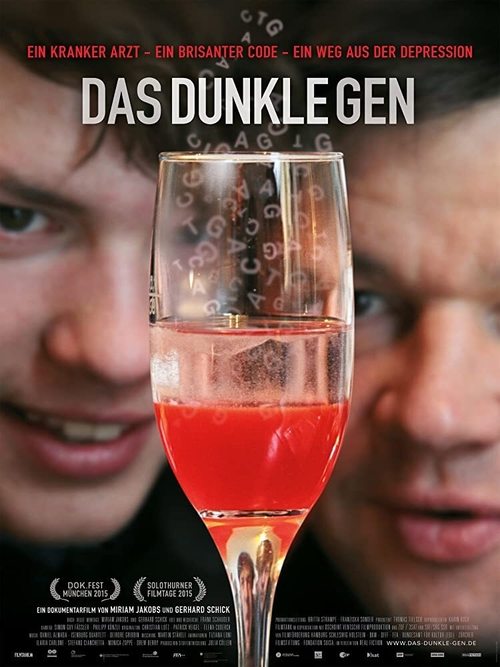
The film tells a very personal story from two perspectives: our protagonist is both doctor and patient. As a patient, he has struggled with recurring depression for years, and as a doctor he wants to find out why. The search for the origins of his illness leads him into the realm of his own genes and casts light on the fundamental changes facing modern society as a result of the tremendous progress being made in the field of genetic sequencing. Along the way, he meets a host of people – researchers, artists, visionaries – who have developed their own very individual approach to genetic coding and are drawing attention to the social significance of genetic technology. The film does not restrict itself to a scientific view of the subject but also makes use of artistic visions and more playful approaches to genetic blueprints.
Six days. Three frontiers. One amazing lab. From 2010 to 2012, a film crew followed a group of scientists at the Department of Energy's Fermilab and filmed them at work and at home. This 40-minute documentary shows the diversity of the people, research and work at Fermilab. Viewers catch a true behind-the-scenes look of the United States' premier particle physics laboratory while scientists explain why their research is important to them and the world. Scientists included: Brendan Casey, Herman White, Craig Hogan, Denton Morris, Mary Convery, Bonnie Fleming, Deborah Harris, Dave Schmitz, Brenna Flaugher and Aron Soha.

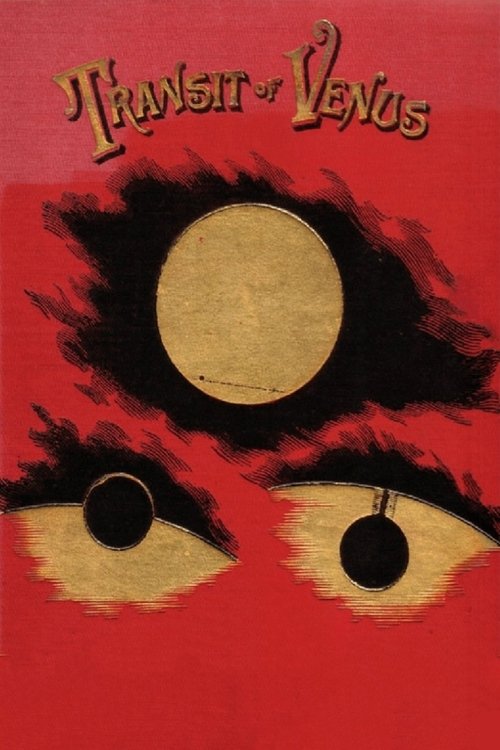
Photo sequence of the rare transit of Venus over the face of the Sun, one of the first chronophotographic sequences. In 1873, P.J.C. Janssen, or Pierre Jules César Janssen, invented the Photographic Revolver, which captured a series of images in a row. The device, automatic, produced images in a row without human intervention, being used to serve as photographic evidence of the passage of Venus before the Sun, in 1874.
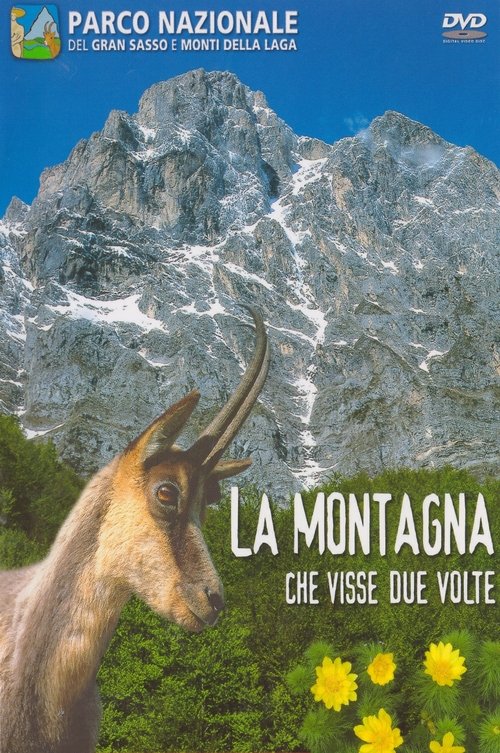
That of the Gran Sasso and Laga mountains, in the heart of the Abruzzo Apennines, is a particular story. Exploited beyond all limits for grazing, they have now returned to repopulate with plants and animals, thanks to the National Park and its care for the territory. Let's go and discover their new life.
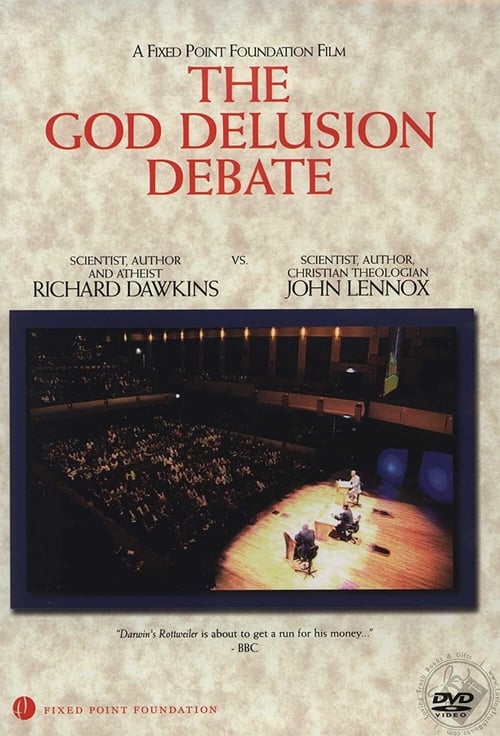
On October 3rd of 2007 in Birmingham, Alabama, Professor Richard Dawkins and his Oxford University colleague Professor John Lennox engaged in a lively debate over what is arguably the most critical question of our time: the existence of God. The debate centered on Dawkins's views as expressed in his best-seller, The God Delusion, and their validity over and against the Christian faith. Both presenters agreed to the format and topics of discussion. It was one of the great debates of the last 100 years and is well worth watching and studying.
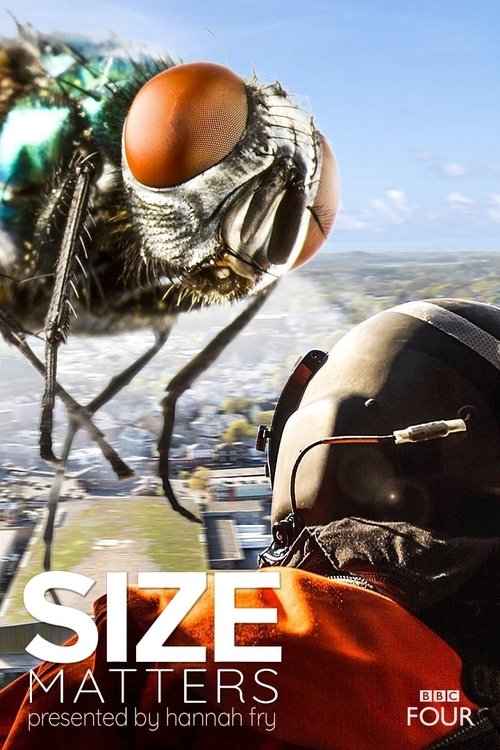
In a search for clues about size, the documentary shows why the sun and planets are so large, why insects have shrunk in the course of evolution and how tall trees can actually grow. Fantastic thought experiments are visualized: animals grow many times their normal size and a man is shrunk to the size of an insect. The results of the unnatural reversal of size ratios have incredible consequences. What are the advantages and disadvantages? "Size matters" is a scientific documentary narrated with fictional scenes. Parallel worlds are created in which size appears in a completely new light, often in a different way than previously known. Modern, astonishing CGI sequences support internationally recognized scientists on a journey to both ends of the size scale and help to understand the world in its dimensions.

How did your body become the complicated, quirky, amazing machine it is today? Anatomist Neil Shubin uncovers the answers in this 3-part science series that looks at human evolution. Using fossils, embryos and genes, he reveals how our bodies are the legacy of ancient fish, reptiles and primates — the ancestors you never knew were in your family tree.
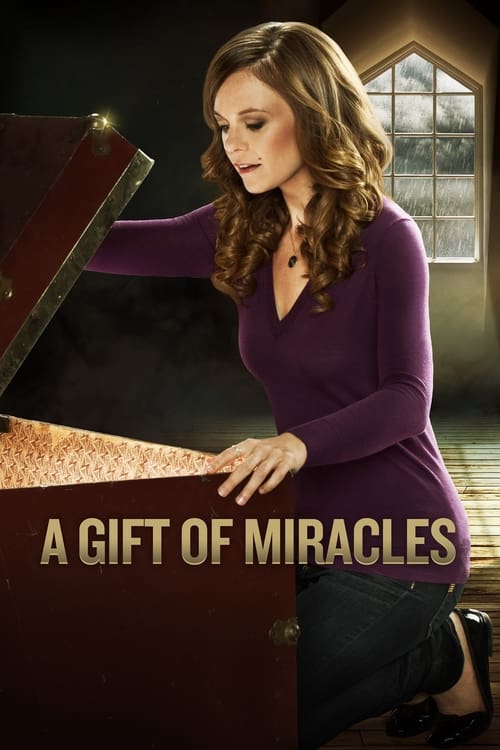
A pragmatic PhD candidate must let go of her logic when she finds a list of items to give away written by the late mother she never knew. With the encouragement of her enthusiastic new mentor, she attempts to return everything on the list and begins to encounter unexplainable coincidences that lead her to understand the world’s smallest marvels have the greatest meaning.
Self - Manager of the voussoir factory
Self - Pilot of the tunnel boring machine