
Loading titles…

Himself
Himself


The OCEAN is now on tour for the ninth time. This time we are accompanying, among others, 17-year-old Munich surfer Ben Neumann. He proves that it is not only the sea that sometimes seems limitless, but also the human will. Ben is blind and not surfing the famous Eisbach wave is not an option for him. The three Australians Madison Stewart, Alice Forrest and Jordyn de Boer also want to cross borders. They are environmental activists and have one goal: to protect the oceans and their flora and fauna. In "The Power of Activism", they prove that this can also be economically viable and show a possible path into the future of activism. The fact that this future must begin now is impressively demonstrated by the film "Stolen Fish", which tells the story of two Gambian fishermen and a Gambian fish seller. All three are struggling with overfishing off the West African coast. A story about cause and effect and the associated search for a better life.


Widerstandsmomente (Moments of Resistance) carries voices, writings, and objects from the anti-Nazi resistance into the present. Politically engaged women of today respond to historical resistance and make links to current events. A line is drawn from what was before and what is today to what might be: a society based on solidarity without discrimination or exclusion.

“Touch one, touch us all” is a slogan of the women who took over the streets in Brazil and organized themselves in social networks to face male chauvinist and conservatism. Through testimonies of women who have been subjected to violence, the documentary reveals that, despite legal achievements, the woman still remains vulnerable. Amongst other deponents are Maria da Penha, Joanna Maranhão, Luíza Brunet, and Clara Averbuck.
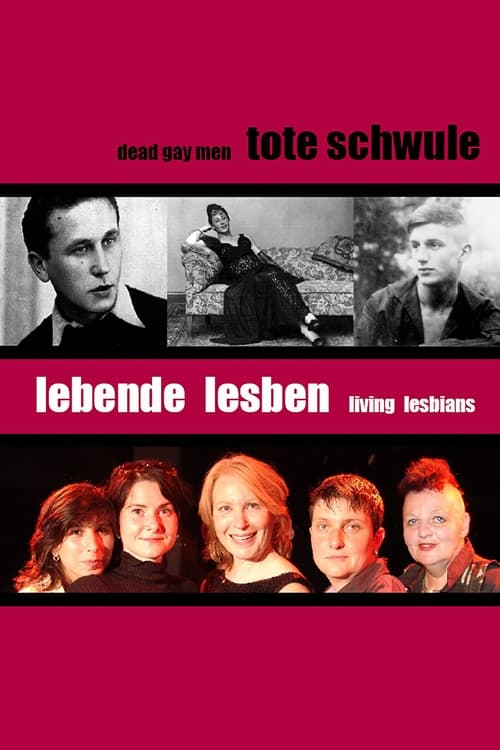
As a result of the Holocaust and later, AIDS, the male homosexual community has sustained bitter losses and, according to Praunheim, lesbian women have now placed themselves at the head of the so-called queer movement. The female protagonists in the film represent two different generations; they also incorporate the past and present status of homosexuals in society.
This documentary profiles economist and writer Marilyn Waring. In extensive interviews, Waring details her feminist approach to finances and challenges commonly accepted truths about the global economy. The filmmakers detail Waring's early rise to political prominence and her successful protests against nuclear arms. Waring also speaks candidly about wartime economies, suggesting that government policies tend to marginalize the fiscal contributions of women.