Loading titles…
Documentary
The Great Chuetsu Earthquake which struck Niigata Prefecture on October 23, 2004 is permanently engraved in the memories of most Japanese people today. Hardest hit was the small mountain village of Yamakoshi, located right above the quake’s epicentre. What has become of the…

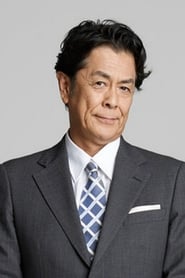
Cast
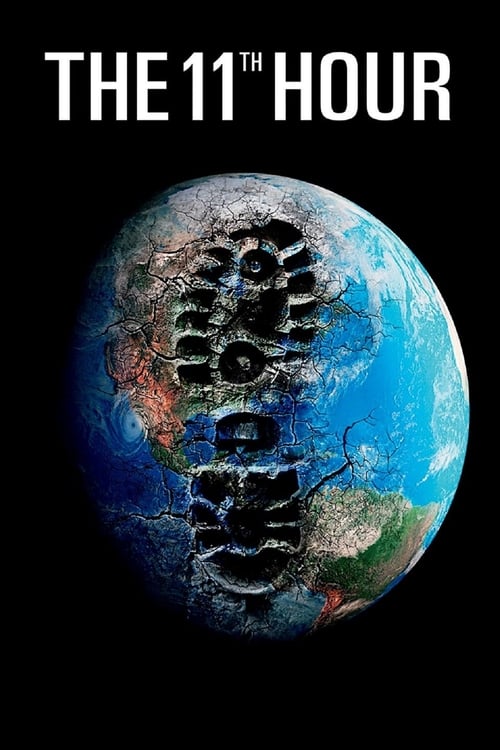
A look at the state of the global environment including visionary and practical solutions for restoring the planet's ecosystems. Featuring ongoing dialogues of experts from all over the world, including former Soviet Prime Minister Mikhail Gorbachev, renowned scientist Stephen Hawking, former head of the CIA R. James Woolse
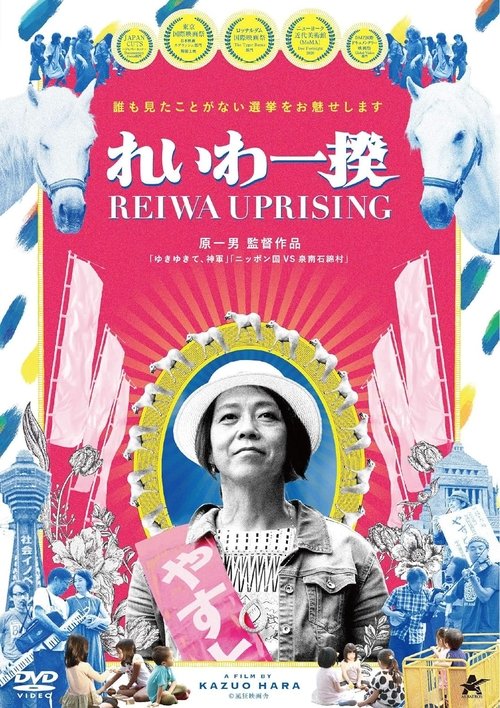
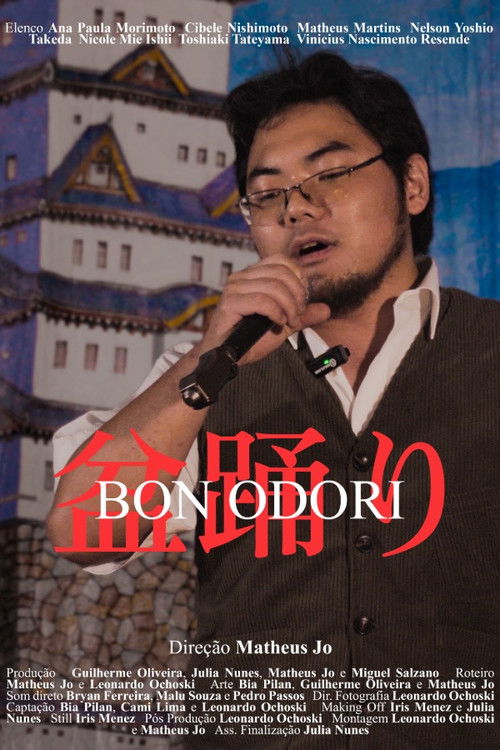
Bon Odori dives into the world of karaoke and the ways this Japanese tradition has taken root and evolved in Brazil. Through an event that brings together young Japanese-Brazilian descendants and participants with no prior connection to Japanese culture, the documentary reveals encounters, memories, and exchanges across generations. Amid touching stories, striking voices, and charismatic personalities, the film crafts a sensitive portrait of belonging, respect, and cultural preservation—celebrating the power of the connections that emerge when differences are embraced.

Through a series of animated art boards depicting a decaying Venice, the film unfolds like a set of postcards, capturing the mythical city's final moments of fragility. Blending archival footage with contemporary observations, and anchored by the story of the 1902 collapse of St Mark's Campanile, Venezia Diorama invites us to reflect on a city slowly eroding, yet suspended in time.

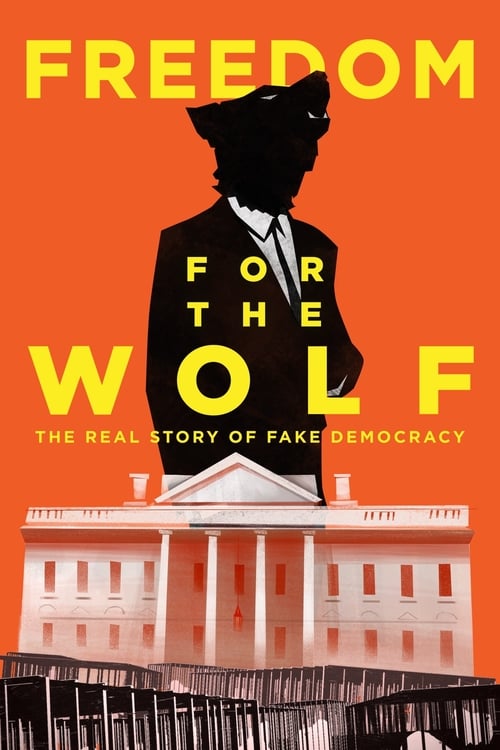
The Real Story of Fake Democracy. Filmed over three years in five countries, FREEDOM FOR THE WOLF is an epic investigation into the new regime of illiberal democracy. From the young students of Hong Kong, to a rapper in post-Arab Spring Tunisia and the viral comedians of Bollywood, we discover how people from every corner of the globe are fighting the same struggle. They are fighting against elected leaders who trample on human rights, minorities, and their political opponents.
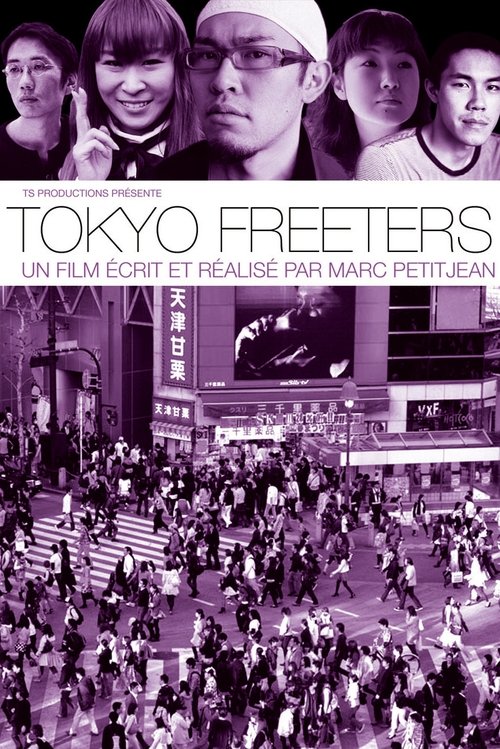
In Japan, more than four million young people survive by taking on precarious jobs. They are called “freeters”. The film gives voice to these “discard-after-use” workers, who regard their situation with both lucidity and desperation, as well as to ex-freeters who have become activists in the fight against exclusions.