
Loading titles…
Documentary
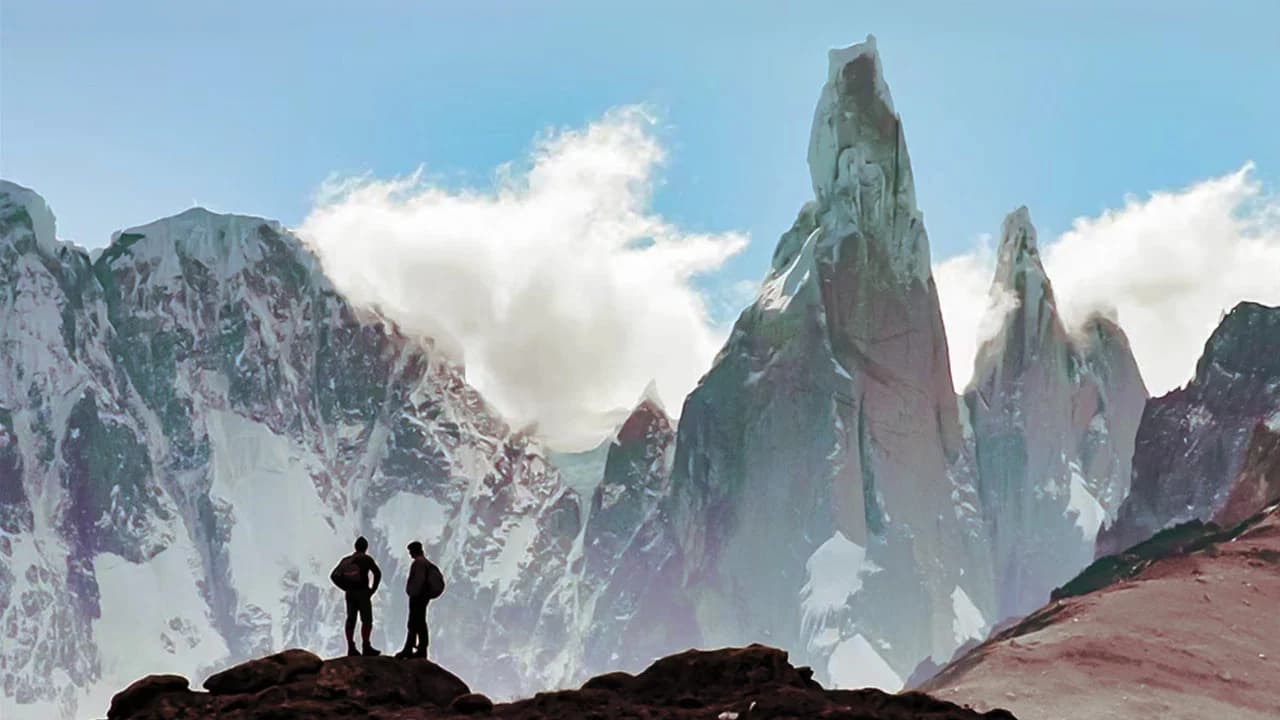
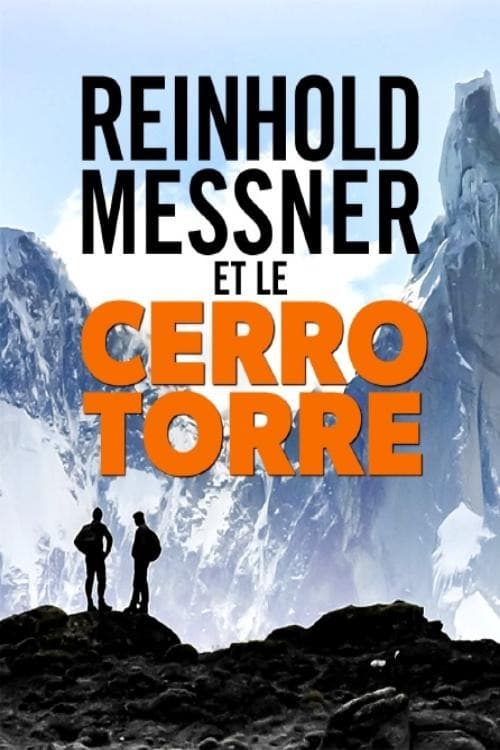
In 1959, Cesare Maestri and Toni Egger are said to have been the first to climb the more than 3,000-metre-high granite needle of Cerro Torre. Egger had a fatal accident on the descent and Maestri was unable to prove that they had reached the summit. Reinhold Messner searches for…
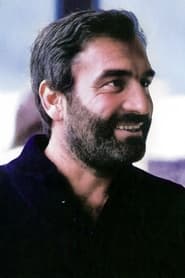
Self
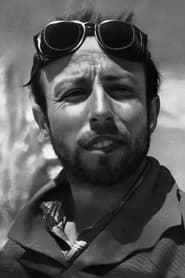
Self

Self
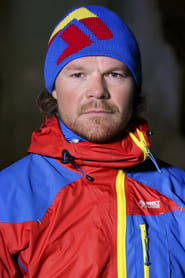
Cesare Maestri
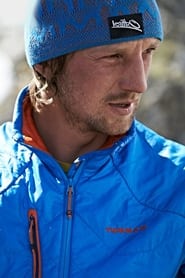
Toni Egger

On 15 May, 2006, double amputee Mark Inglis reached the summit of Mt Everest. It was a remarkable achievement and Inglis was feted by press and public alike. But only a few days later he was plunged into a storm of controversy when it was learned that he had passed an incapacitated climber, Englishman David Sharp, leaving him to a lonely end high in the Death Zone.

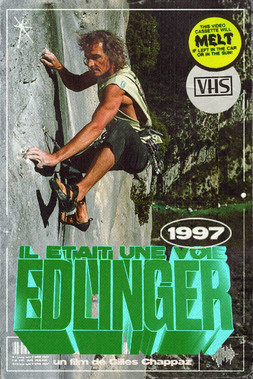
Fifteen years have passed since the spectacular images of Jean-Paul Janssen's "Life at Your Fingertips" introduced the general public to free climbing and its embodiment: Patrick Edlinger. We witnessed the birth of a sporting phenomenon that would leave a lasting mark on generations of climbers. But fifteen years later, in 1997, beyond the myth, where is Patrick Edlinger? Gilles Chappaz found him on some of the most beautiful walls of the Verdon Gorge and other cliffs during the filming of Maurice Rebeix's documentary "Roc'n Wall 97," where he shares his climbing practice and philosophy with the younger generation, including Liv Sansoz and Arnaud Petit.
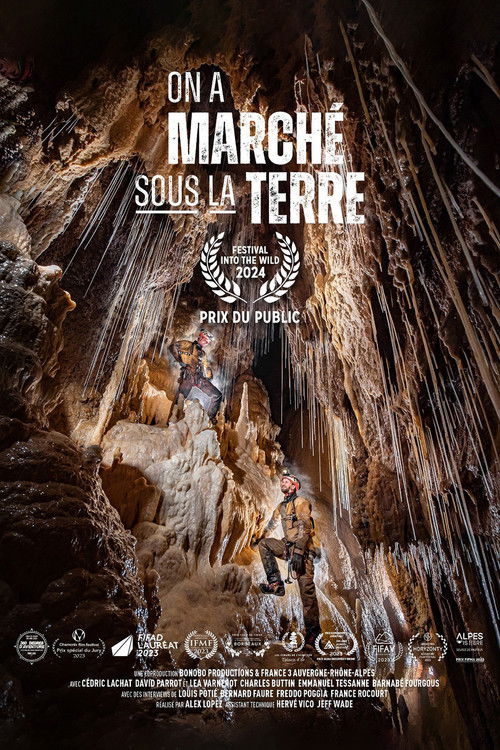
Since the dawn of time, humankind has felt the need to explore, whether through terrestrial, subterranean, underwater, or space exploration. This film follows the attempt to connect the Fromagère chasm with the legendary Berger chasm, located in the Vercors massif. The exploration is undertaken by Cédric Lachat, a former world climbing champion, and David Parrot, a highly motivated speleologist. From preparation to success or eventual abandonment, this adventure explores the various facets of speleology: sport, science, and heritage.

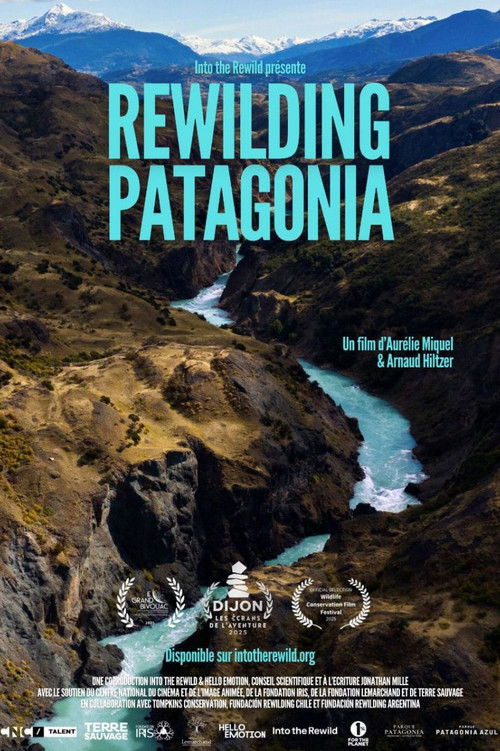
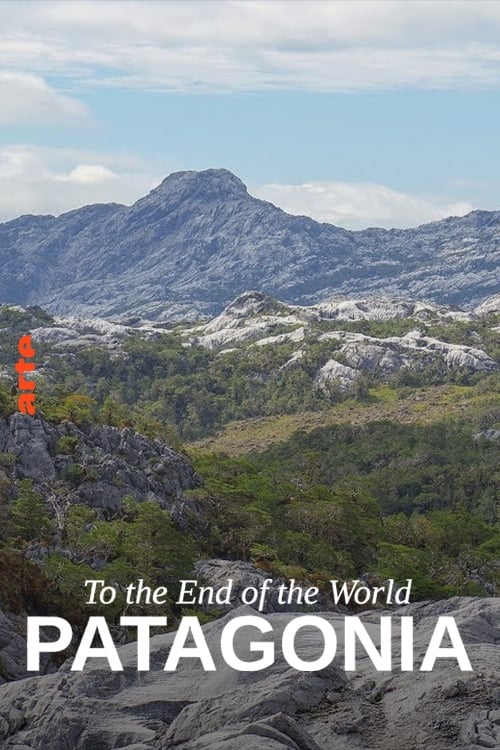
This is one of the most beautiful rewilding stories of our time, that of Douglas and Kristine Tompkins, a couple of successful entrepreneurs – The North Face and Esprit – who decided to dedicate themselves to protecting vast territories in Patagonia. The results of their actions are astounding: in 30 years they enabled the creation and expansion of 18 national parks between Chile and Argentina, covering a total area of 7 million hectares, equivalent to the size of a country like Ireland. By transforming these spaces and reconstructing natural ecosystems, the development of these parks has also enabled the creation of social bonds, developed a new form of economic activity, brought forth a political space, and contributed to strengthening the population’s sense of belonging to their territories.