Loading titles…
Self
Self
Self
Self
Self
Self
Self
Adult Norma
Young Norma
Rita
Baby 1
Baby 2

The bleached palette and home-movie aesthetics of Super 8 footage provide the image track for this testimonial about an illegal abortion in Mexico City in the 1960s, delivered in voiceover by the filmmaker’s mother. In its account of this intimate and disorienting memory, Lesser Choices summons a time of profound uncertainty—a moment from an era without rights—and offers a warning to the present.
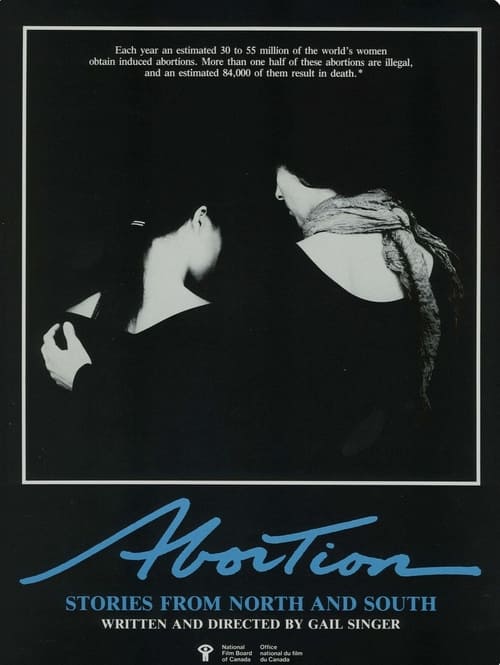
Women have always sought ways to terminate unwanted pregnancies, despite powerful patriarchal structures and systems working against them. This film provides a historical overview of how church, state and the medical establishment have determined policies concerning abortion. From this cross-cultural survey--filmed in Ireland, Japan, Thailand, Peru, Colombia, and Canada--emerges one reality: only a small percentage of the world's women has access to safe, legal operations.
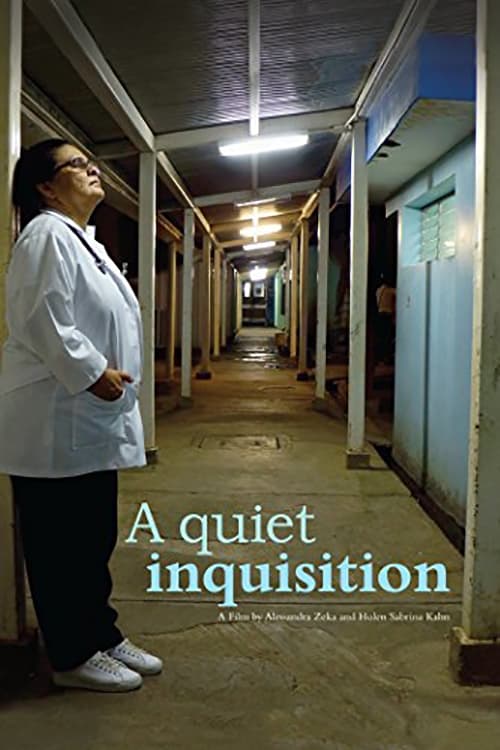
At a public hospital in Nicaragua, Ob/Gyn Dr. Carla Cerrato must choose between following a law that bans all abortions and endangers her patients or taking a risk and providing the care that she knows can save a woman's life. In 2007, Dr. Cerrato’s daily routine took a detour. The newly elected government of Daniel Ortega, a former Marxist revolutionary who converted to Catholicism to win votes, overturned a 130-year-old law protecting therapeutic abortion. The new law entirely prohibits abortion, even in cases of rape, incest, or when a woman’s life is at stake. As Carla and her colleagues navigate this dangerous dilemma, the impact of this law emerges—illuminating the tangible reality of prohibition against the backdrop of a political, religious, and historically complex national identity. The emotional core of the story—the experiences and situations of the young women and girls who are seeking care—illustrate the ethical implications of one doctor's response.
Courtmaker explores how Chief Justice John Marshall transformed the Supreme Court into a coequal branch of government. Through interviews, stunning locations, and re-creations of landmark cases like Marbury v. Madison, the film reveals how Marshall shaped the nation's legal foundations and enduring ideals of liberty and self-government.
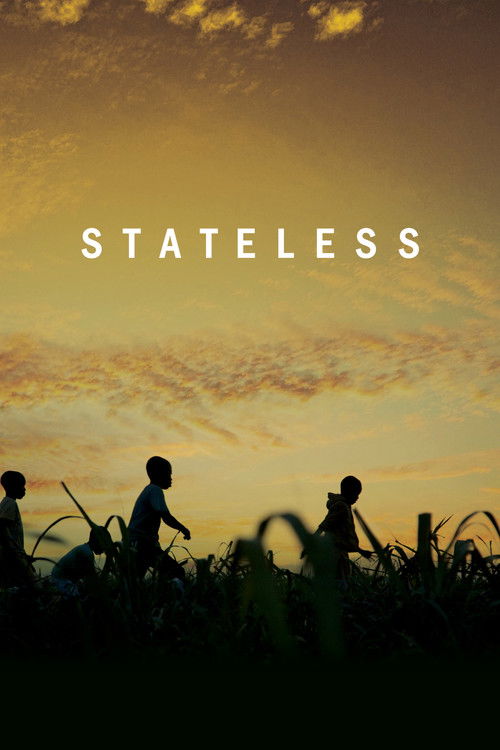
Director Michèle Stephenson’s new documentary follows families of those affected by the 2013 legislation stripping citizenship from Dominicans of Haitian descent, uncovering the complex history and present-day politics of Haiti and the Dominican Republic through the grassroots electoral campaign of a young attorney named Rosa Iris.