
Loading titles…
Himself
Himself




Cruelty, psychological and sexual violence, humiliations: reality television seems to have gone mad. His debut in the early 2000s inaugurated a new era in the history of the audio-visual. Fifty years of archives trace the evolution of entertainment: how the staging of intimacy during the 80s opened new territories, how the privatization of the biggest channels has changed the relationship with the spectator. With the contribution of specialists, including philosopher Bernard Stiegler, this documentary demonstrates how emotion has made way for the exacerbation of the most destructive impulses.
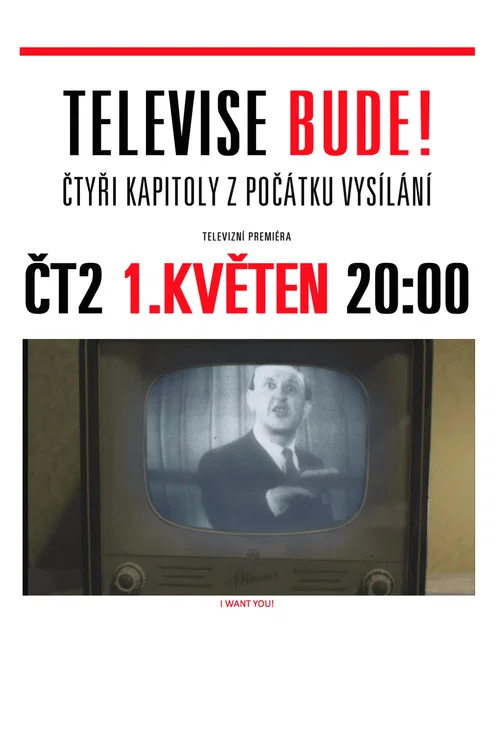
Flexible, powerful, and naive. The fates of three men intersect at the launch of Czechoslovak television broadcasting. Ambitious actor František Filipovský has no idea that his casual improvisation on the theme of "the miser" will go down in history. For Minister of Information Václav Kopecký, it is a moment of great nervousness: will he convince his comrades that television broadcasting is the golden goose of communist propaganda? A young television technician is fascinated by the "remote transmission of images and sound" – he has a job he never dreamed of. But can a person fulfill their dreams in communist Czechoslovakia in the 1950s without getting involved with the regime?


Arguably the most influential creator, writer, and producer in the history of television, Norman Lear brought primetime into step with the times. Using comedy and indelible characters, his legendary 1970s shows such as All In the Family, Maude, Good Times, and The Jeffersons, boldly cracked open dialogue and shifted the national consciousness, injecting enlightened humanism into sociopolitical debates on race, class, creed, and feminism.


