
Loading titles…

Host

Adolf Hitler's Nazi megalomania knew no limits. The most daring of his plans World War II involved German fighter planes crashing into Manhattan's skyscrapers as living bombs, like the Japanese kamikazes. Hitler understood the huge symbolic power of Manhattan's skyscrapers. He believed suicide bombing would have a devastating psychological impact on the American people and the U.S. war effort.

On November 25, 1973, the first of four car-free Sundays transformed West Germany's deserted highways into spaces for walking, cycling, and horse-drawn carriages, while towns and cities took on a festive atmosphere. Introduced during the oil crisis to conserve fuel after the Arab oil embargo and production cuts following the Yom Kippur War, the measure became an unforgettable collective experience. Beyond the immediate energy shortage, the crisis marked a turning point, ending the postwar economic boom and encouraging greater awareness of energy use, consumerism, and environmental issues.
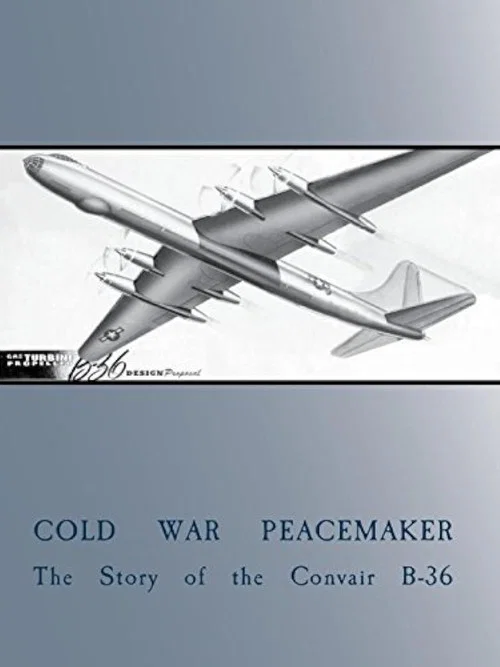
Cold War Peacemaker is the amazing and unique story of the development of the B-36 very-long-long-range nuclear bomber. From its beginnings during WWII, through construction in a former wild-west cattle town and deployment into the Cold War, the story of the Convair B-36 and how it intimidated the Soviet Union is a fascinating study in politics and technology. In Cold War Peacemaker, experience life during the Cold War as your parents and grandparents lived it and discover and understand how the Convair B-36 played a vital role in saving the free world from communist domination.


In 1916, while France was bogged down in trench wars, a young engineer named Marcel Bloch was inventing a revolutionary propeller, the Eclair propeller. It would prove very effective in air combat. Today, Dassault Aviation, named after the moniker its founder took on after the war, is among the jewels of the worldwide aeronautics industry. From astonishing growth to unexpected crises, the Dassault group's destiny is closely linked to the history of France and the saga of modern aviation. As it marks its first century of existence, the company continues to fly in civil and military aviation, still following the path of its founder's visionary spirit, Marcel Dassault.


Filmed on location in Saskatchewan from the Qu'Appelle Valley to Hudson Bay, the documentary traces the filmmaker's quest for her Native foremothers in spite of the reluctance to speak about Native roots on the part of her relatives. The film articulates Métis women's experience with racism in both current and historical context, and examines the forces that pushed them into the shadows.

Concorde was an icon of the skies, but on 25 July 2000, Air France Flight 4590 left Paris for New York and caught fire during take-off before crashing to the ground just over a minute later, killing everyone on board. The tragedy brought an end to the dream of supersonic passenger flight. But what caused the disaster? Investigators, survivors’ loved ones and those who examined the wreckage recall the tragedy and describe how the evidence led to a shockingly simple conclusion about what went wrong.


