Loading titles…
No cast information available.
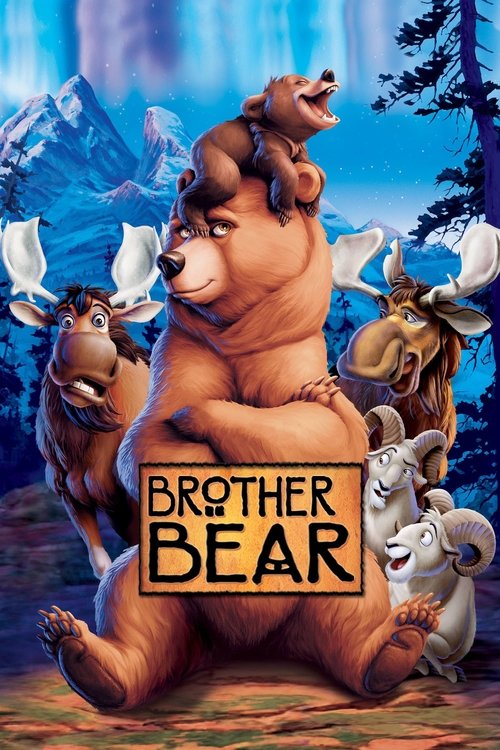
When an impulsive boy named Kenai is magically transformed into a bear, he must literally walk in another's footsteps until he learns some valuable life lessons. His courageous and often zany journey introduces him to a forest full of wildlife, including the lovable bear cub Koda, hilarious moose Rutt and Tuke, woolly mammoths and rambunctious rams.
His recent animation Kablunât: Legend of the Origin of the White People (2016) draws from a Nunatsiavummiut legend recorded by a Moravian missionary. Making use of archival photographs collected over nearly nine years, Gear reinterprets the legend for a contemporary Inuit audience, while framing the story as a reclamation from colonial retellings. “I wanted to literally insert myself in that narrative, break it apart and see what was there in a kind of dreamlike way,” he notes.
Inspired by an Inuit poem first assigned to paper in 1927, this animated short evokes the beauty and power of nature, as well as the bond between mother and daughter. As her daughter looks on, an Inuit woman creates a wall hanging filled with images of the spectacular Arctic landscape and traditional Inuit objects and iconography. Soon the boundaries between art and reality begin to dissolve.
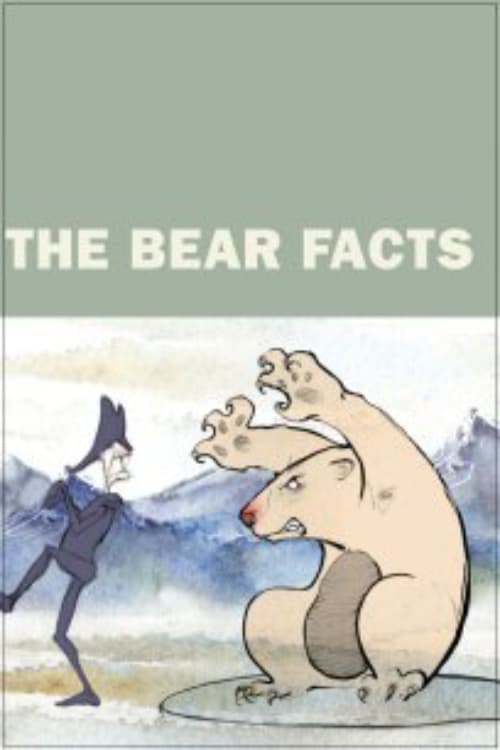
In this animated short, a self-important colonial explorer emerges from a sailing ship and plants a flag on the Arctic ice, as a bemused Inuit hunter looks on. Then the explorer plants another, and another, and another, while the hunter, clearly not impressed that his land has been “discovered,” quietly goes about his business. In this charming and humorous re-imagining of first contact between Inuit and European, Jonathan Wright brings us the story of a savvy hunter and the ill-equipped explorer he outwits.
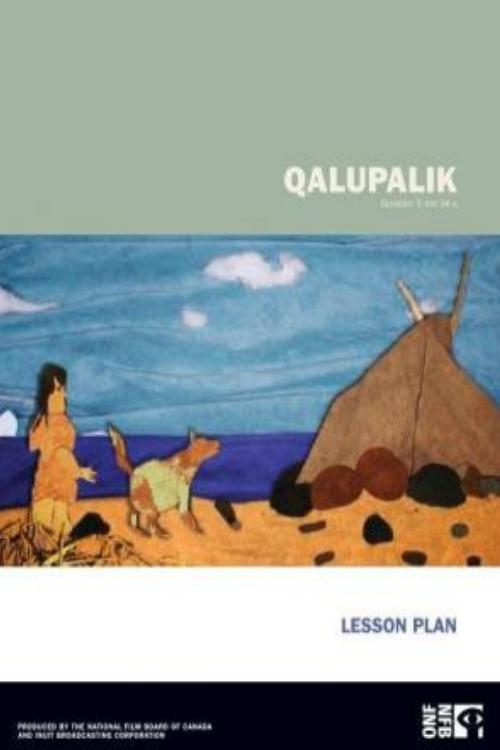
This animated short tells the story of Qalupalik, a part-human sea monster that lives deep in the Arctic Ocean and preys on children who do not listen to their parents or elders. That is the fate of Angutii, a young boy who refuses to help out in his family’s camp and who plays by the shoreline... until one day Qalupalik seizes him and drags him away. Angutii's father, a great hunter, must then embark on a lengthy kayak journey to try and bring his son home.
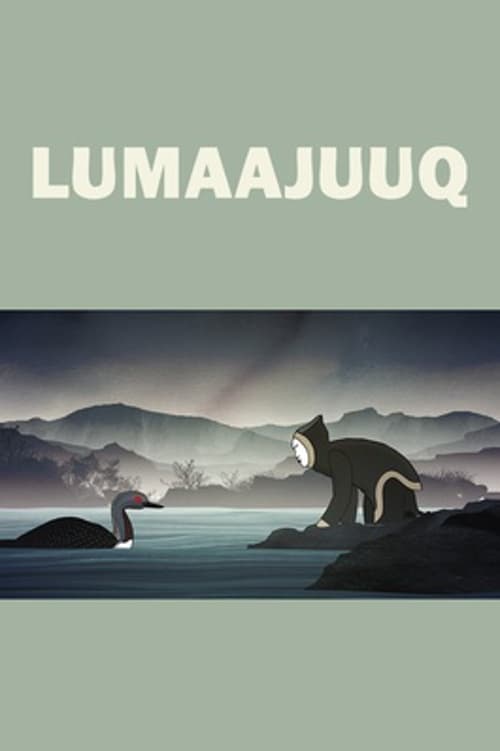
This animated short is a tragic and twisted story about the dangers of revenge. A cruel mother mistreats her son, feeding him dog meat and forcing him to sleep in the cold. A loon, who tells the boy that his mother blinded him, helps the child regain his eyesight. Then the boy seeks revenge, releasing his mother’s lifeline as she harpoons a whale and watching her drown. Based on a portion of the epic Inuit legend “The Blind Boy and the Loon.”
According to Inuit oral history, long ago animals had the power of speech, could shift their appearances, and could even assume human form. In The Orphan and the Polar Bear, a neglected orphan is adopted by a polar bear elder. Under the bear’s guidance, the little orphan learns the skills he will need to survive and provide for himself.
In the folklore of most cultures around the world there are stories of magical little folk. And the Arctic is no exception. Inuit traditional knowledge is filled with references to many different races and tribes of little folk. These beings always try to avoid human encounters, but over the years Inuit hunters and shaman have gathered stories and experiences to help us understand these small inhabitants. This short introduces viewers to the little folk of the Arctic.
Inuit oral history is filled with strange beings and supernatural creatures. One of these feared land spirits is the Ogress of the Gravelbank. This cruel being was known to lure children into her lair and trap them there. All that perish in that cave remain there as spirits and animated corpses. This short vignette introduces viewers to this malevolent spirit who is unknown to all but the people of the far north.