

Loading titles…
Documentary
Nostalgia hits hard in this last record of the great musician Gabriel Messer in the series "Messer In Concert," in an attempt to keep the dream alive, "tutu" intends to immortalize the last moments of an 17 years life experience on the return of the incredible musician to the…
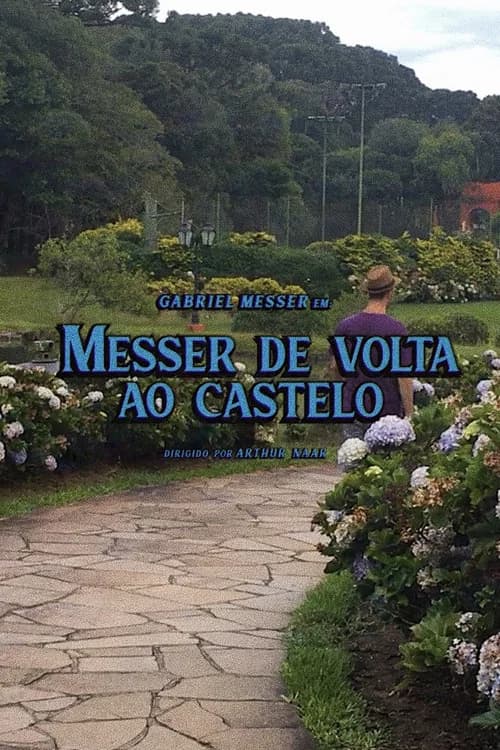
Himself
Himself


Step inside the most complex heritage rejuvenation project ever to occur in Europe. Norwich Castle is being restored to its former glory - a unique and ambitious plan to return this 900-year-old building to its original Royal Palace design. Curators and craftspeople pore over every detail to ensure its historical accuracy. Will they run out of time, money and endurance before they can unveil one of Britain’s most iconic royal buildings? Filmed every step of the way over seven years, this is the story of a heritage makeover like no other.

Filmed over the course of a year in an "upstairs-downstairs" fashion, this fascinating program provides a behind-the-scenes look at life inside Windsor Castle -- the world's largest inhabited castle -- via unprecedented camera access. Highlights include a visit from French President Jacques Chirac; the Queen's arrival for the Order of the Garter ceremony; and the high-profile celebration of Prince Charles and Camilla Parker Bowles's nuptials.

Based on the latest technological and scientific advances, this documentary explores the palace's architectural past to resurrect Louis XIV's vanished Versailles. Versailles was an ongoing building site at the time of Louis XIV and continued to be transformed by its successive occupants later on. The Versailles we know today only vaguely resembles the Versailles of the Sun King. Most of its original features and apartments no longer exist. Thanks to the digitisation of thousands of plans, a team of scientists takes us back in time to explore this forgotten past in a new way, through a large-scale reconstruction project to bring back the Versailles of Louis XIV as he designed it, according to his requirements and dreams.
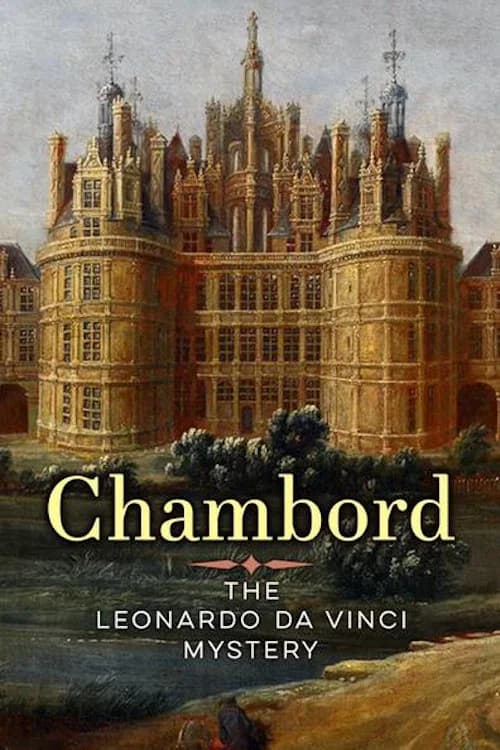
A building lost in the midst of a 5 000 hectare park, that's the equivalent of the surface of Paris, Chambord is the castle of all superlatives. Having required nearly 220,000 tonnes of stone to build, the Chateau de Chambord, in the Loir-et-Cher department, is an architectural gem. 156 metres of facade, it has more than 70 staircases, 282 fireplaces and 426 rooms. The castle commissioned by Francis 1st in the 16th century is also the most mysterious. The majestic monument has its share of mysteries: identity of its architect, influence of the Florentine painter Leonardo da Vinci in its design, location in the middle of marshes in the heart of the forest and even longevity because it has survived through time without being damaged since the beginning of its construction in September 1519.

Chambord, the most impressive castle in the Loire Valley, in France, a truly Renaissance treasure, has always been an enigma to generations of historians. Why did King Francis I (1494-1547), who commissioned it, embark on this epic project in the heart of the marshlands in 1519? What significance did he want the castle to have? What role did his friend, Italian genius Leonardo Da Vinci (1452-1519) play? Was he the architect or who was?
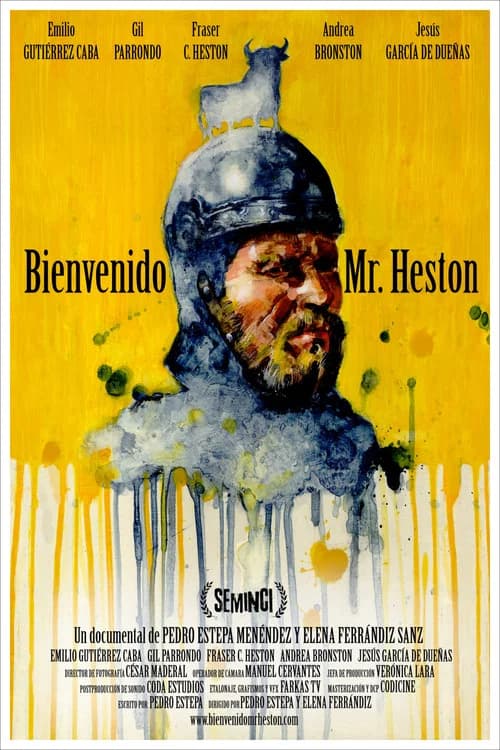
Spain, 1961. Life in the small village of Torrelobatón, in the province of Valladolid, was turned upside down when the cinematic magic circus of a future Hollywood blockbuster, produced by Samuel Bronston, the rogue mogul of his own film empire, came to town: its inhabitants became participants and witnesses of the shooting of “El Cid,” a film directed by Anthony Mann, starring mythical actors Charlton Heston and Sophia Loren. Those days, legends came alive.


