


Loading titles…
Documentary / History
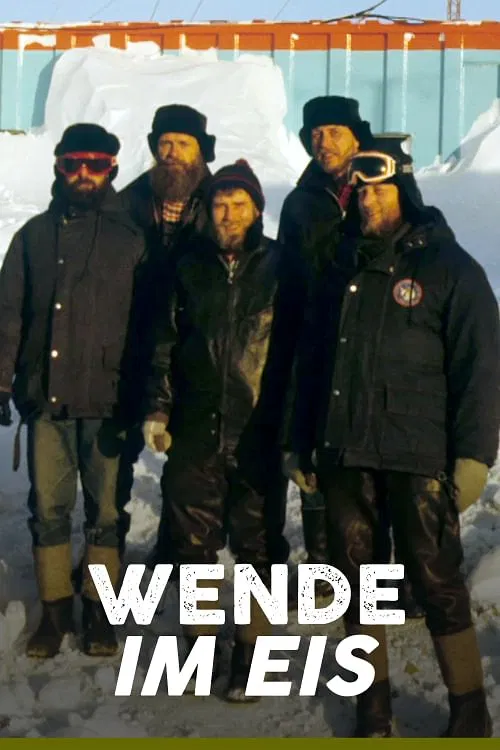
In 1989, thirteen GDR scientists and technicians set off from East Berlin to the Georg Forster research station in the Antarctic. During their expedition the Berlin Wall fell on November 9th. Cut off from the images that go around the world, the men can only experience the…
Self - Narrator (voice)
Self
Self
Self
Self
Self


This pioneering documentary film depicts the lives of the indigenous Inuit people of Canada's northern Quebec region. Although the production contains some fictional elements, it vividly shows how its resourceful subjects survive in such a harsh climate, revealing how they construct their igloo homes and find food by hunting and fishing. The film also captures the beautiful, if unforgiving, frozen landscape of the Great White North, far removed from conventional civilization.

Acclaimed filmmaker Werner Herzog travels to Antarctica, where he finds a desolate, beautiful landscape, largely untouched by human hands, and a group of truly unique people who risk their lives to study it. Centered at McMurdo Station, the United States' largest Antarctic research center, Herzog explores the minds of the scientists willing to abandon civilization and endure volatile conditions to learn more about the continent's wildlife and awe-inspiring natural wonders.

19-year-old NVA soldier, Alex Karow, is sent to the West German-East German border in May 1974, shortly after Willy Brandt's resignation and during the World Cup. The army is dominated by brutal rituals, tolerated or used by the officers. Alex understands that the ideals of balance, democracy and human dignity are propaganda. The question of what happens when the other appears in the sights of the Kalashnikov occupies the soldiers day and night, interrupted almost exclusively by the games of the World Cup with the historic encounter between the GDR and the FRG. Alex draws strength from his love for Christine, a confident tractor driver who lives in the neighbouring village. Christine encourages him not to do what his father expects, but to follow his dream of becoming a photographer. But when her brother sends Alex's photo from the border fortifications to the West, everything gets out of control...


From an official perspective, marginal youth culture did not exist in East Germany. The topic of subcultures was taboo in the GDR, and groups such as goths, skinheads, anti-skins, punks and neo-Nazis were dismissed as social deviations promoted by western countries. Director Roland Steiner had access to such young East Germans in the late 1980s. Over the course of four years, he brought them before the camera in an attempt to understand what drew them to these groups.


This report was broadcast on ARD in 1993. In 43 minutes, the development of psychiatry "in the third year after reunification" is shown using two institutions in the new federal states as examples. A touchstone for all of psychiatry and disability care to this day. The film shows a shocking way in which disabled people are treated. The commentary uses the perspective of those affected. 50 years after euthanasia in Germany, this documentary reminds us of this once again.
A vast white wilderness that stretches across the south of our planet; a giant natural laboratory that has long occupied the human psyche. Antarctica is a continent of remote natural wonder. For brief moments each year this hauntingly beautiful landscape opens up, beckoning scientists and explorers from around the world to investigate its frozen secrets. 'Journey into the White Desert' takes us on a mesmerizing visual adventure into this mysterious continent, introducing us to a team of South African scientists, researchers and explorers who have braved the inhospitable continent in the quest to learn its secrets. The film explores South Africa's role in the greatest wilderness on earth and showcases some of the groundbreaking research that could make the difference to our survival on this planet.