
Loading titles…
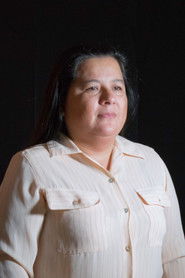
Mamá
Papá
Hija
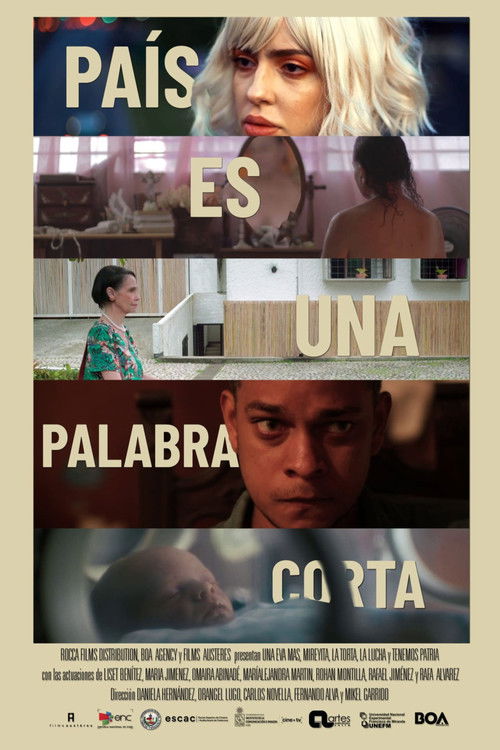
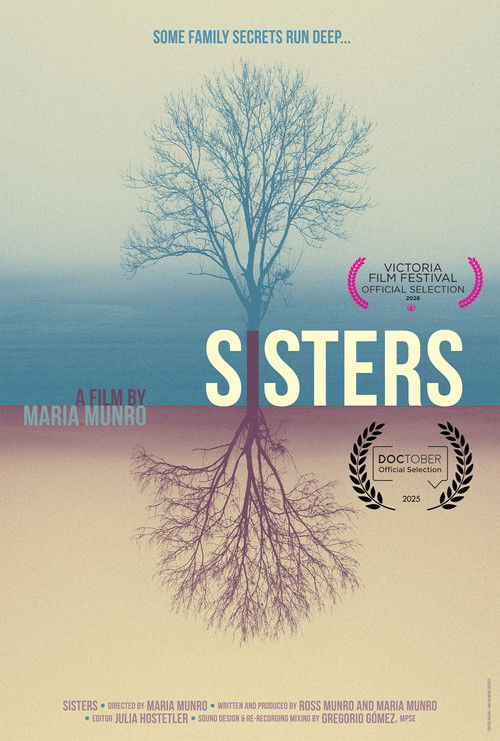
Five stories, five perspectives on the same emotional territory called “country.” A Cuban actress tries to make her way in Chile; two women reunite after decades and confront the passing of time; another survives in solitude while facing her fears; a father and son seek reconciliation amid old wounds; and a birth turns into a desperate race for life. Five intertwined stories—small tales of love, loss, and hope—forming an intimate mosaic about identity, belonging, and the search for a place in the world.
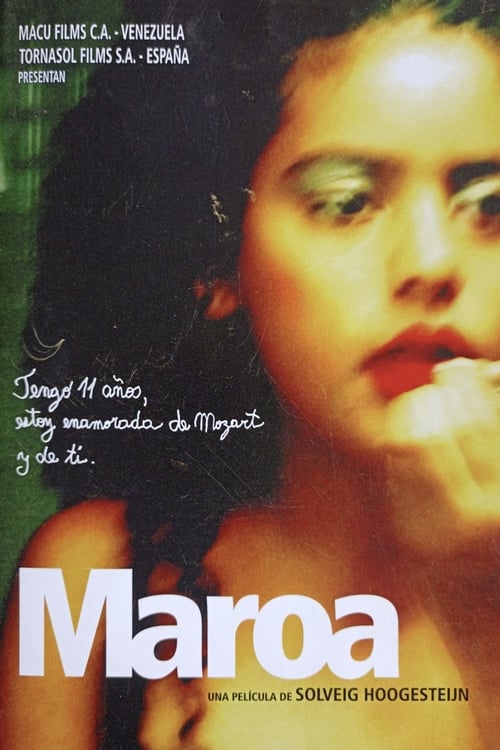
Eleven-year-old petty criminal Maroa lives with her violent grandmother Brigida in Caracas. After her boyfriend Carlos is involved in a shooting, Maroa is arrested and sent to a school where Joaquin conducts the youth orchestra, and he asks the naturally talented Maroa to join. Days now revolve around the classes that Joaquin, the shy and unconventional teacher, gives her. He is immediately interested in this talented young girl, who lacks all notion of discipline. Joaquin, the only person to offer hope in the midst of her rejection, finds that through Maroa, his world has also changed forever.
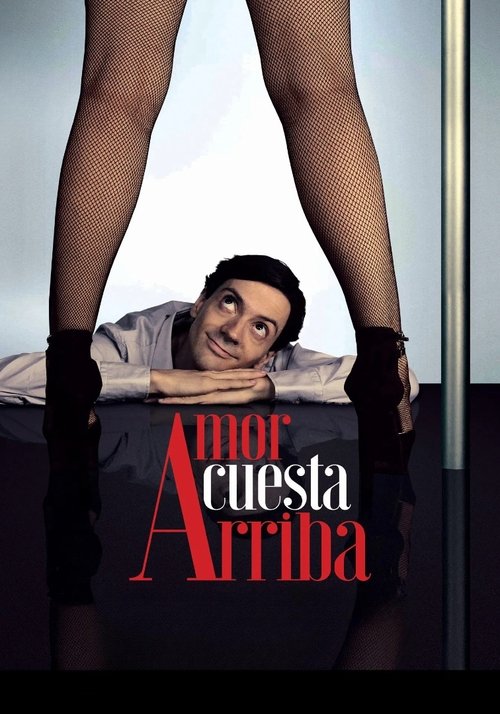
Pablo is a young man going through a crisis of love. His best friend decides to take him to reunion party; there he encounters Daniela, the great love in his adolescence. In the middle of the party he tries conquer her heart, but discovers a reality that he did not expect of her: she is dedicated to the oldest trade in the world
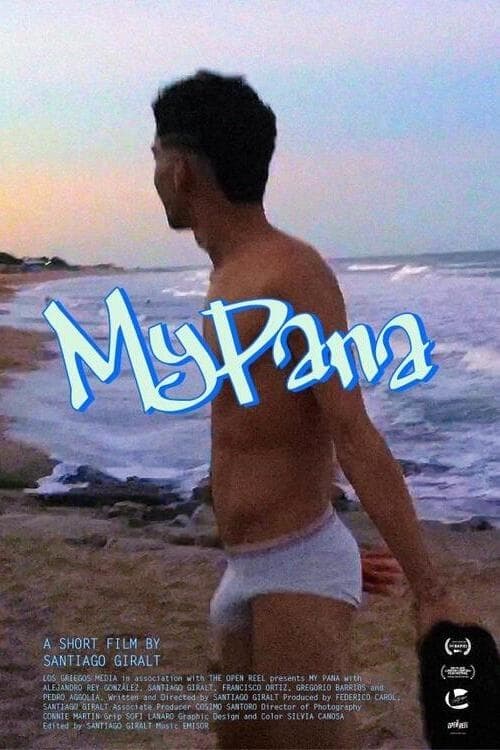
Pana is a popular world from Venezuelan slang that means many things: as a noun it refers to a friend, a good person; as an adjective, it’s a positive quality, someone nice, someone friendly and enjoyable. A coming-of-age story, the short My Pana is also a tale of immigration and exile, a portrait of a teenager adapting to a new society with the few tools he knows to survive: his youth, his body and, ultimately, his own resilience. Through the point of view of a teenager we’ll understand the hardships of million of Venezuelans abroad and the consequences of corruption, exile and the fractured soul of a person who was pushed to leave his true life to adapt to a hostile new place.
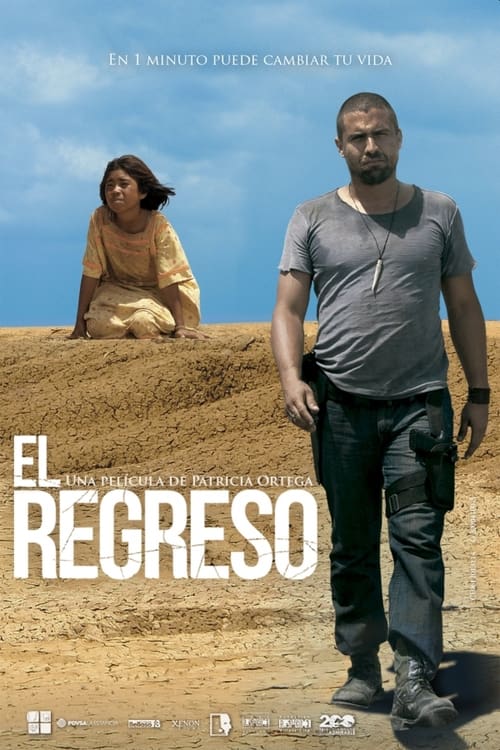
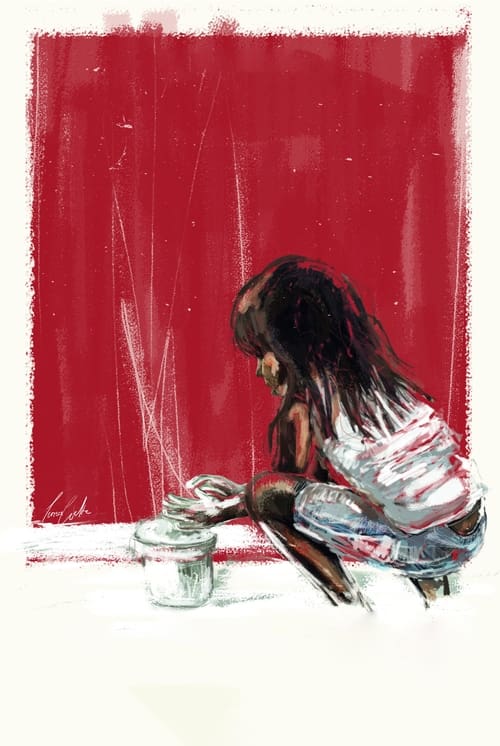
Roberto is a middle class working professional trying to survive hyperinflation amid the Venezuelan crisis while maintaining his unemployed mother. An argument breaks out when she asks him to buy flour for her birthday cake. In an effort to make amends, he resorts to the black market to buy the scarce food, but gets caught in the violent looting of a market.

In 1750, in the glare of the Caribbean, the man who created history known as the forerunner of independence in Venezuela. His name is Francisco de Miranda and, to be exact, is the largest globetrotter who has known the Americas, Miranda has a reputation as an inveterate wanderer, an eternal conspirator, a turncoat, a conqueror of nobles and courtiers, a lover of asylums, libraries, prisons and brothels, has written 63 volumes of his autobiography, a friend of princes, military and world-renowned artists, collector of women and unthinkable dreams, restless fugitive, owner of ten different names, and presented by the British press the moment as the future liberator of Spanish America.