Loading titles…
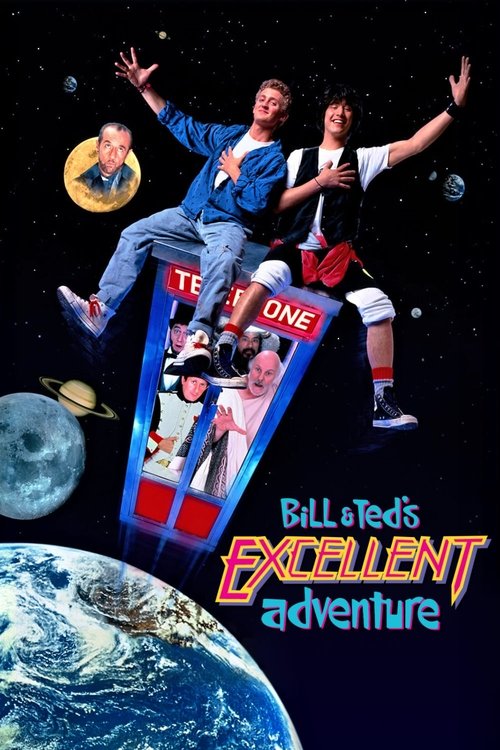
Science Fiction / Documentary / Comedy
Humankind has always dreamt of the night sky. Of the infinite freedom offered by the black void, and of the strong, shining beacon inviting us to ascend. This is a story, a history of the events that led up to our conquest of space, and the consequences throughout wider…

Narrator
Michael Cockerell sheds new light on the tragi-comedy of the 1970s by focusing on some of its most controversial characters. With fresh filming and new interviews, along with a treasure trove of rare archive, the film presents the inside story of giant personalities who make today's public figures look sadly dull in comparison. The well-known journalist revisits some of his films on the big characters who helped shaped the 1970s in Britain. Both tragic and comic, it highlights just how much our world has changed in four decades.
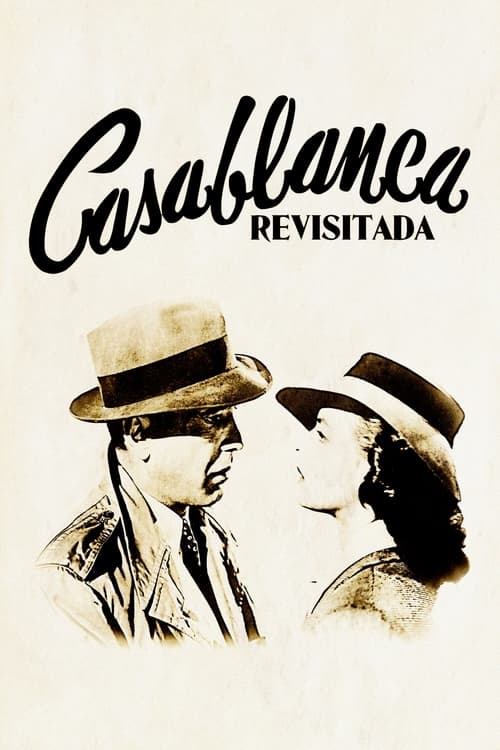
In this visual essay John Bengtson, author of Silent Echoes: Discovering Early Hollywood Through the Films of Buster Keaton, provides a tour of where Seven Chances was filmed, comparing archival images with contemporary photos, and sharing stories of Mrs. Eleanor Keaton's visit to the Seven Chances church.

Four visual essays by Silent Echoes author John Bengtson identifying Buster Keaton's shooting locations for his many short films produced between 1920-1923, many in the streets surrounding his former Hollywood studio, the same studio where, a few years earlier, Charlie Chaplin had made his brilliant series of Mutual shorts.
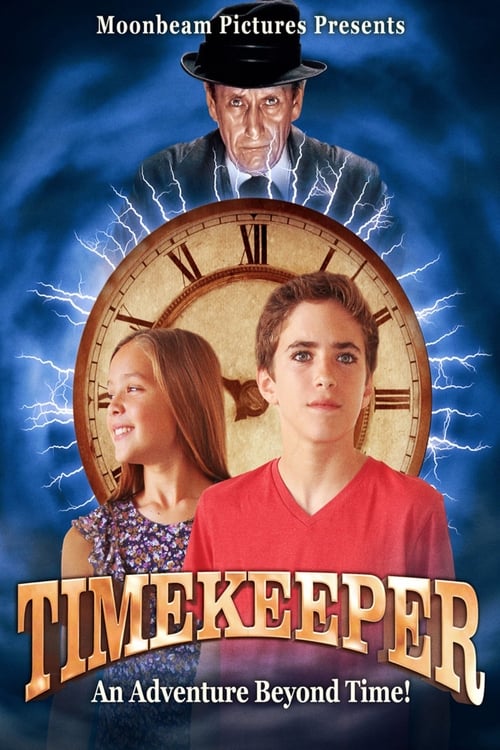
Fourteen-year-old Henry and his friends are about to change history. Sneaking into the apartment of an eccentric Clockmaker, the kids discover that the old man controls time for the entire world through an incredible array of magnificent timepieces and weird machines. When one of the curious kids accidentally pushes a wrong button and gets launched back in time, the space-time continuum is severely disrupted. As everything begins to change around them, the young adventurers must travel back in time to save their friend...and the future
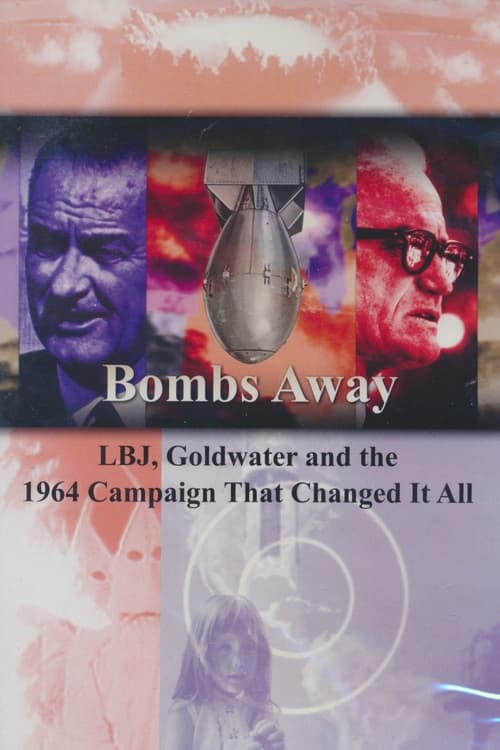
The political ad "Peace Little Girl" aired during the 1964 presidential campaign ushered in a new era of the television attack ad. The campaign also reshaped the American political landscape in other significant ways ultimately ending up with the establishment of the contemporary geopolitical map of red and blue states. Includes interviews with historians and participants in the campaign.