Loading titles…
The Teenage Boy
The Woman
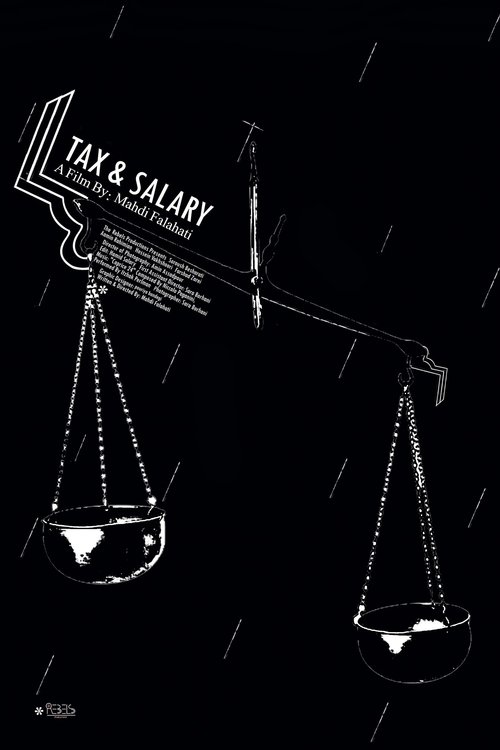

Now, in the era we live in, we are surrounded by a variety of ideas, and each of these ideas and thoughts is given to us in many ways. The Art and The Media play an important role as two important tools for forcing and pushing information, but these two important tools go so far as to get something that takes their lives and lose control of humanity and is nothing but The Ruin.

Publishing assistant Brett Eisenberg wants to be a big-time editor. However, she lacks self-confidence, a problem that isn't helped by her new, overbearing boss. Brett soon enters into a relationship with Archie, an older man who has plenty of his own issues, including alcoholism, diabetes and a difficult relationship with his daughter. Intent on helping Archie get past his problems, she turns to her dying father for advice.
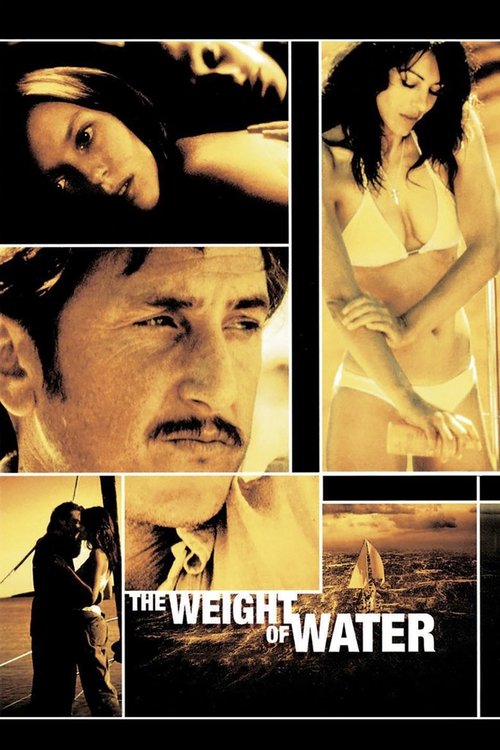
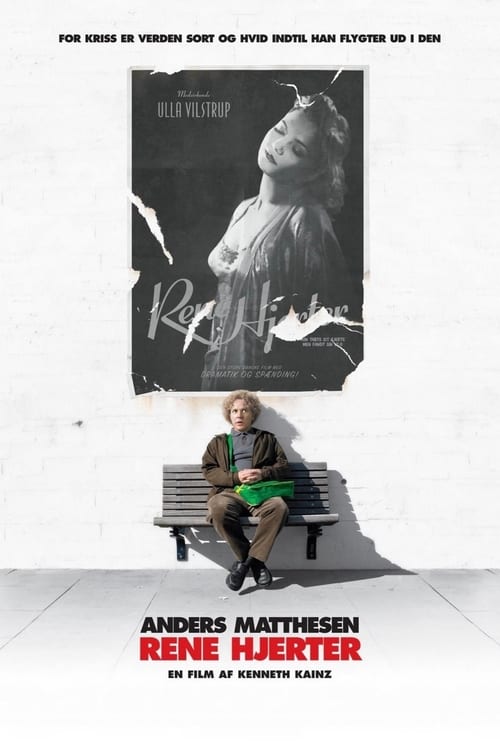
To the mentally ill Kriss, the world is divided up into 'good and evil', just like in the old B&W melodrama, 'Pure Hearts', which Kriss and his fellow patient, Willy, spend their days repeatedly watching at the psychiatric ward. To Kriss this film is the bible. One day after a serious conflict with one of the hospital's other patients their viewing rights are retracted. Kriss is deeply frustrated by this, until he realises that Linda, the young girl in the film, actually exists in the shape of the film's star, the actress Ulla Vilstrup. Setting fire to the hospital, Kriss and Willy escape into the night, determined to find her, because life is what you make of it.
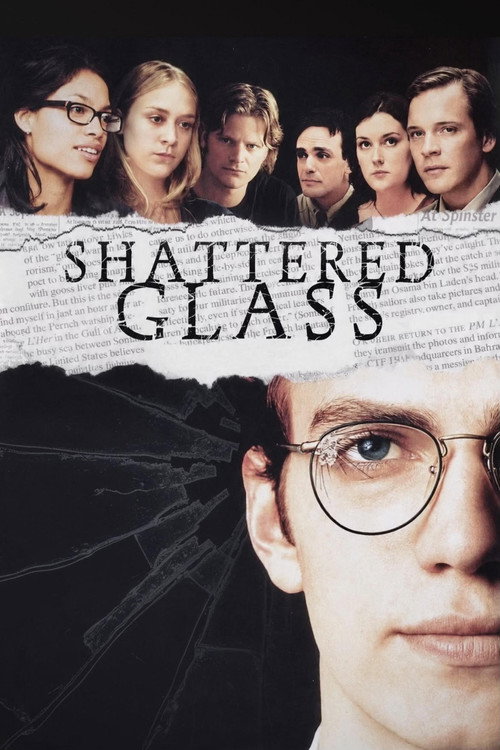
Stephen Glass is a staff writer for the respected current events and policy magazine The New Republic and a freelance feature writer for publications such as Rolling Stone, Harper's and George. By the mid-90s, Glass' articles had turned him into one of the most sought-after young journalists in Washington, but a bizarre chain of events - chronicled in Buzz Bissinger's September 1998 Vanity Fair article - suddenly stopped his career in its tracks.