Loading titles…
Self
Self

The world’s biggest fish market is to make room for a highway during the Olympic Games 2020 in Tokyo. After more than 80 years in daily business, the relocation of over 14,000 dealers is a turning point. Especially for old-established dealers this step is not easy. Within four days, all dealers, souvenir and shoe shops, restaurants and service providers such as knife sharpeners are to be relocated to the new location on an artificial island. The closure of Tsukiji is a step towards modern digital real-time trading and we are the only foreign reporter with exclusive access to accompany this adventurous relocation.
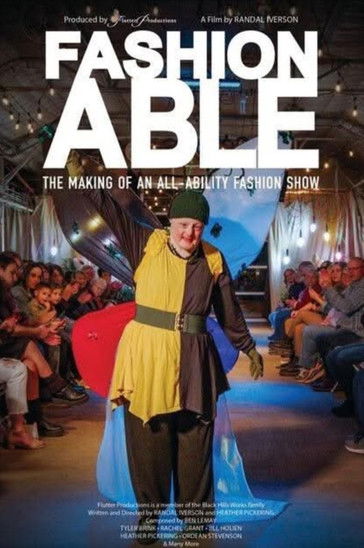
FashionABLE follows 26 designers with various intellectual and physical disabilities that are partnered one-on-one with community volunteers to bring their one-of-a-kind fashion design to life. This intimate glimpse into the lives of several of the designers and the challenged they rise to, illustrates the ability that the arts have to change perceptions and celebrate the human spirit.
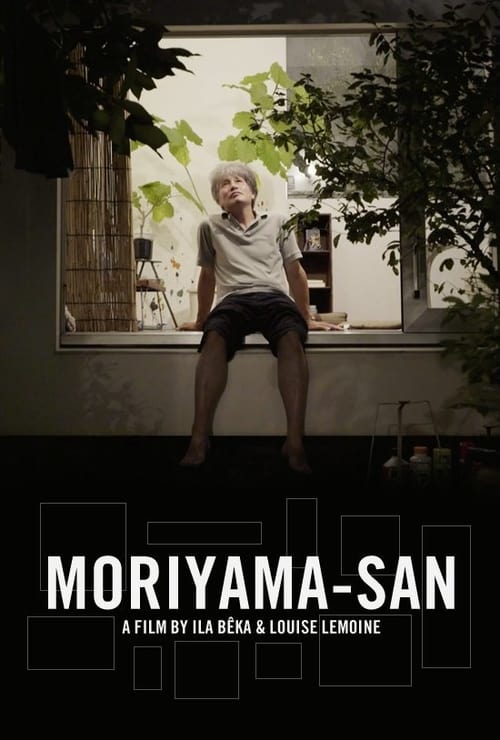
One week in the extraordinary-ordinary life of Mr. Moriyama, a Japanese art, architecture and music enlighted amateur who lives in one of the most famous contemporary Japanese architecture, the Moriyama house, built in Tokyo in 2005 by Pritzker-prize winner Ryue Nishizawa (SANAA). Introduced in the intimacy of this experimental microcosm which redefines completely the common sense of domestic life, Ila Bêka recounts in a very spontaneous and personal way the unique personality of the owner: a urban hermit living in a small archipelago of peace and contemplation in the heart of Tokyo. From noise music to experimental movies, the film let us enter into the ramification of the Mr. Moriyama's free spirit. Moriyama-San, the first film about noise music, acrobatic reading, silent movies, fireworks and Japanese architecture!
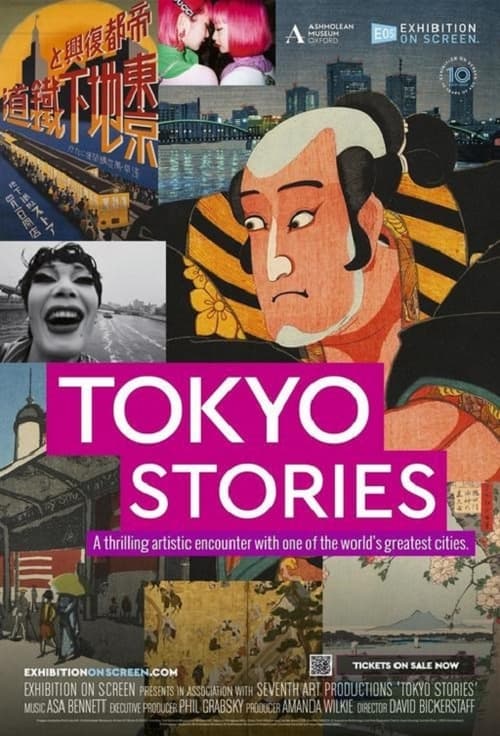
Based on a major exhibition at the Ashmolean in Oxford, Tokyo Stories spans 400 years of incredibly dynamic art – ranging from the delicate woodblock prints of Hokusai and Hiroshige, to Pop Art posters, contemporary photography, Manga, film, and brand-new artworks that were created on the streets. The exhibition was a smash-hit five-star success and brought a younger and more diverse audience to the museum. The film uses the exhibition as a launchpad to travel to Tokyo itself, and explore the art and artists of the city more fully. A beautifully illustrated and richly detailed film, looking at a city which has undergone constant destruction and renewal over its 400-year history, resulting in one of the most vibrant and interesting cities on the planet…

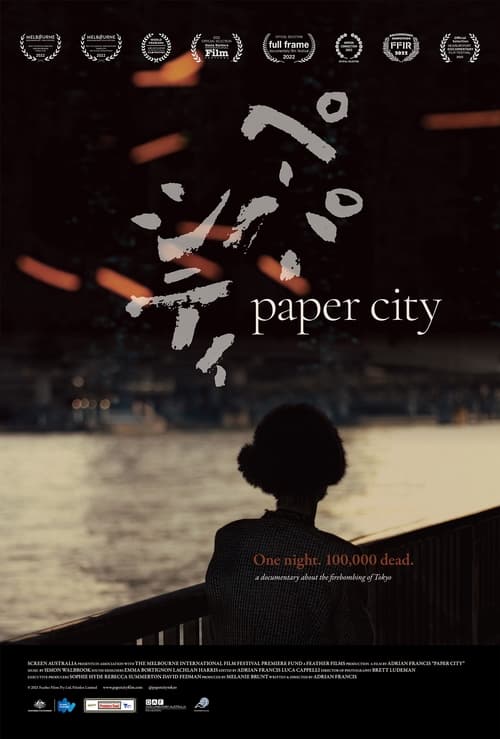
Just after midnight on 10 March 1945, the US launched an air-based attack on eastern Tokyo; continuing until morning, the raid left more than 100,000 people dead and a quarter of the city eradicated. Unlike their loved ones, Hiroshi Hoshino, Michiko Kiyooka and Minoru Tsukiyama managed to emerge from the bombings. Now in their twilight years, they wish for nothing more than recognition and reparations for those who, like them, had been indelibly harmed by the war – but the Japanese government and even their fellow citizens seem disinclined to acknowledge the past.
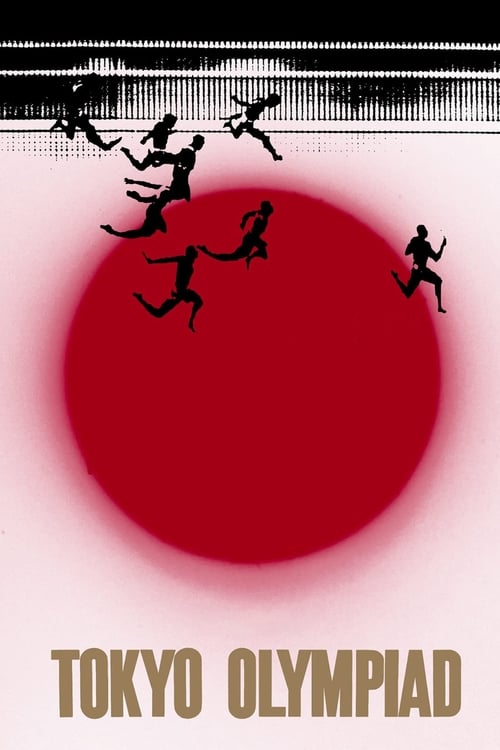
This impressionistic portrait of the 1964 Tokyo Summer Olympics pays as much attention to the crowds and workers as it does to the actual competitive events. Highlights include an epic pole-vaulting match between West Germany and America, and the final marathon race through Tokyo's streets. Two athletes are highlighted: Ethiopian marathon runner Abebe Bikila, who receives his second gold medal, and runner Ahamed Isa from Chad, representing a country younger than he is.
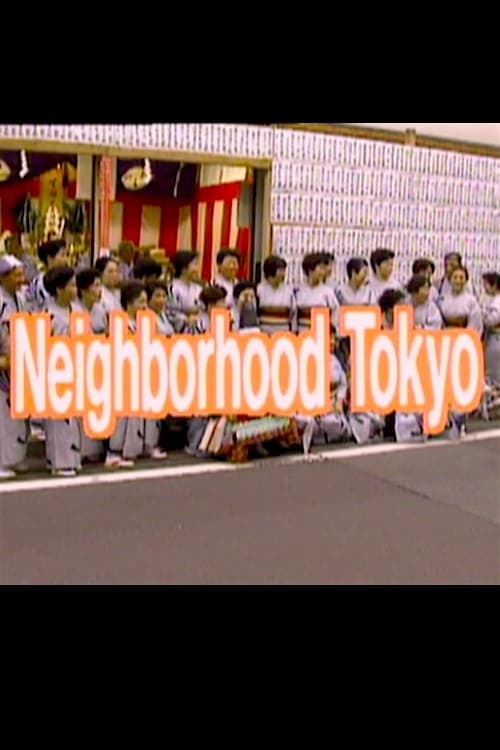
Miyamoto-cho is a community of Mom-and-Pop stores and family enterprises located near the center of Tokyo. Competition from supermarkets and shopping centers threatens the livelihoods of long-term residents. High land prices tempt owners to tear down old homes and replace them with apartment buildings; this in turn is changing the composition of the population. Against this backdrop, residents strive to maintain the close social ties, symbols of local identity, and community rituals that keep Miyamoto-cho from becoming just another mailing address. Theodore Bestor began his research here in 1979. His prize winning book of the same name is available through Stanford University Press. This documentary is one of a series depicting the variety of life in today's Japan in the context of human problems common to all industrial nations. A comprehensive study guide is available.